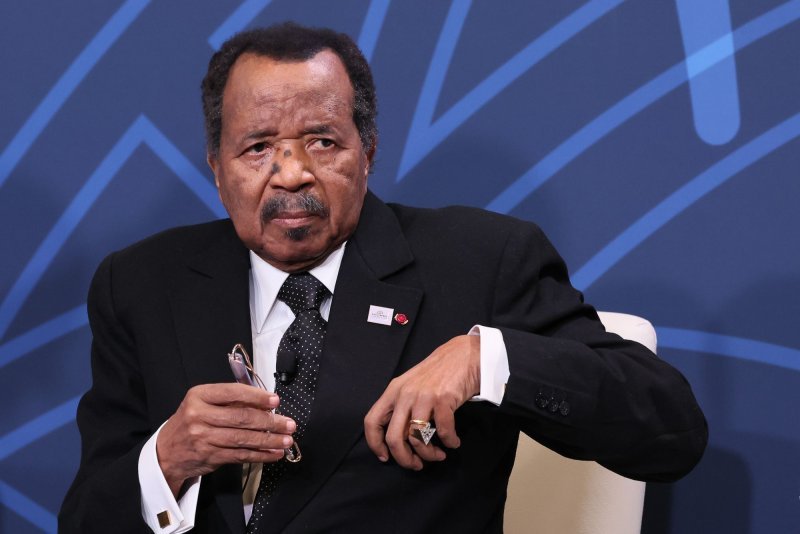

On October 12, 2025, Cameroon held a presidential election in which incumbent President Paul Biya—aged 92 and already in power for more than four decades—ran for another seven-year term.
The country’s Constitutional Council later declared that Biya won 53.66 % of the vote, defeating his closest rival Issa Tchiroma Bakary, who garnered 35.19 %. Voter turnout was reported at roughly 57.7 %.
(AP News + Reuters)
This victory ensures Biya’s continued rule, extending a presidency that began in 1982, and making him the world’s oldest serving head of state.
(The Guardian)
Opposition Reaction and Allegations
Opposition candidate Issa Tchiroma Bakary, a former Biya ally, rejected the results even before they were officially released. He alleged ballot-stuffing, the inclusion of deceased voters, and implausibly high turnout in conflict-affected regions.
(The Guardian + AP News)
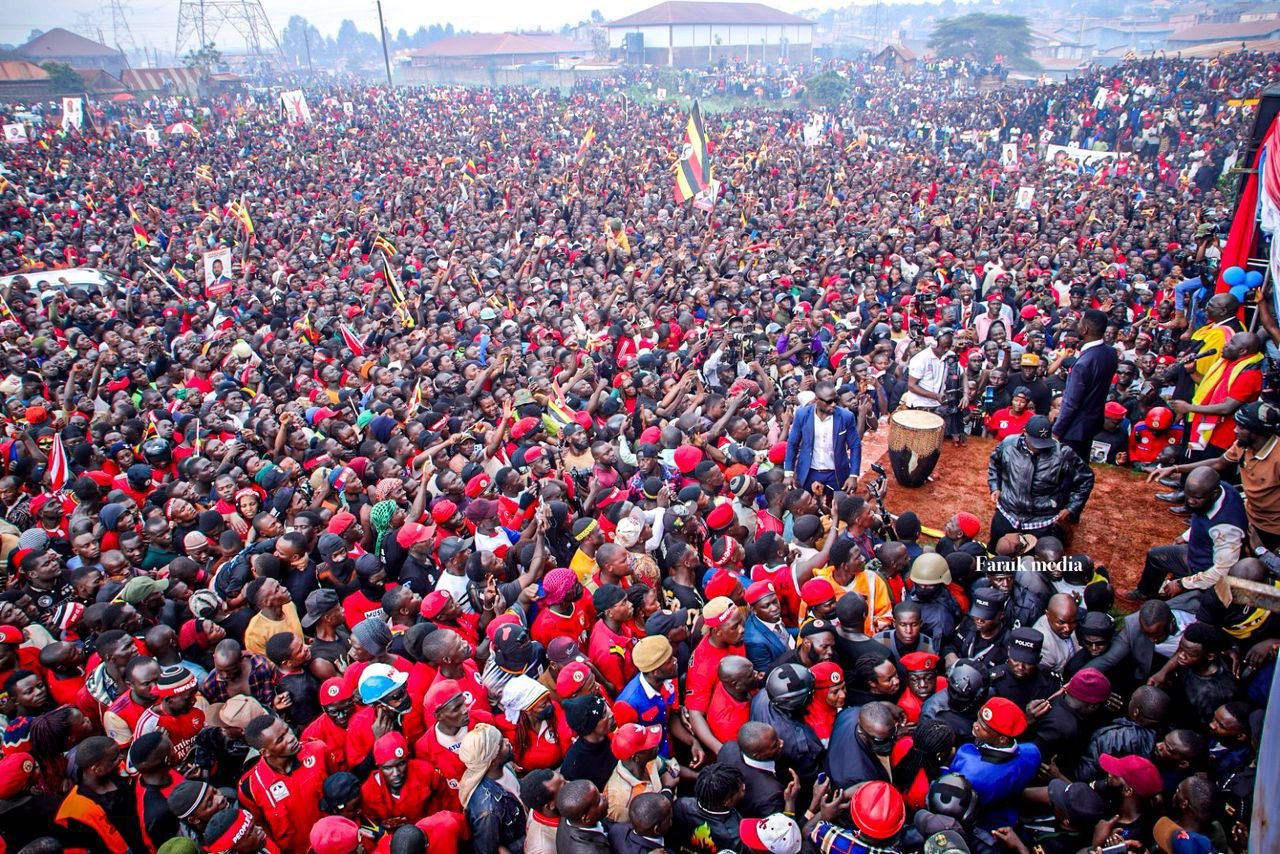
Angered by what they call a fraudulent process, opposition supporters poured into the streets of Douala, Yaoundé, Garoua, and Maroua. Many protesters said the vote lacked transparency and failed to represent Cameroon’s younger generation, who make up over 70 % of the population.
(AP News)
One protester in Maroua voiced the nation’s exhaustion:
“Nothing will change … We are tired of that.”
(AP News)
Protests and Violence
The announcement of Biya’s win ignited violent clashes in major cities. In Douala, demonstrators burned tyres, blocked roads, and confronted security forces. Police responded with tear gas and arrests.
At least six people have been reported dead and dozens detained.
(Reuters)
Analysts warn that the government’s heavy-handed response could deepen public resentment and heighten instability if political grievances remain unaddressed.
Context: Why Now?
Long Tenure, Growing Discontent
Since coming to power in 1982, Biya has maintained a firm grip on the state. Yet his long rule has bred frustration among younger Cameroonians, who see his government as out of touch, corrupt, and resistant to change.
(The Guardian + AP News)
Multiple Crises
The country faces persistent challenges:
-
Endemic corruption and economic stagnation.
-
A deadly separatist conflict in the English-speaking North-West and South-West regions that has displaced over one million people.
(AP News)
These overlapping crises have eroded public confidence and intensified demands for reform.
What Happens Next?
The Constitutional Council’s ruling is final and binding, leaving the opposition with no clear legal path to challenge the outcome.
(Reuters)
With protests continuing and public anger spreading, Cameroon’s leadership faces a pivotal test of legitimacy. Observers warn that unless the government initiates genuine dialogue and reform, unrest could escalate further.
(AP News)
Significance
The 2025 election exposes key themes shaping African politics today:
-
The endurance of long-serving autocratic leaders.
-
A widening gap between official elections and public trust.
-
The rising influence of youth-driven movements demanding accountability and renewal.
In Summary
Cameroon’s 2025 presidential election has reaffirmed Paul Biya’s hold on power—but at a steep cost. Allegations of fraud, mass protests, and violent clashes reflect a nation at a crossroads.
Whether Biya’s government chooses repression or reform will determine not only his legacy but also the future of Cameroon’s fragile democracy.