
ALEXANDER LUYIMA | THE HOIMA POST
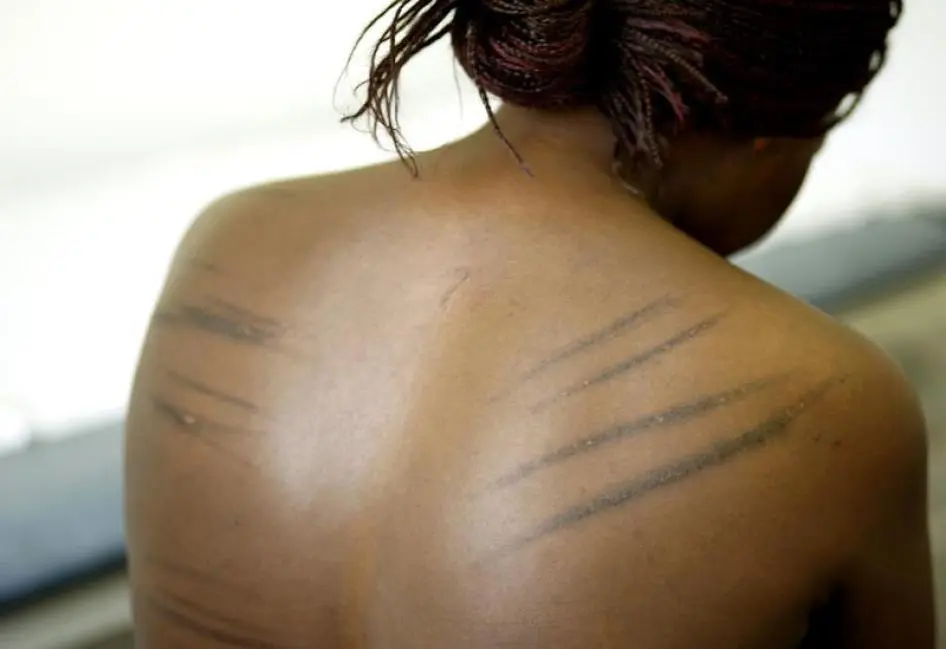
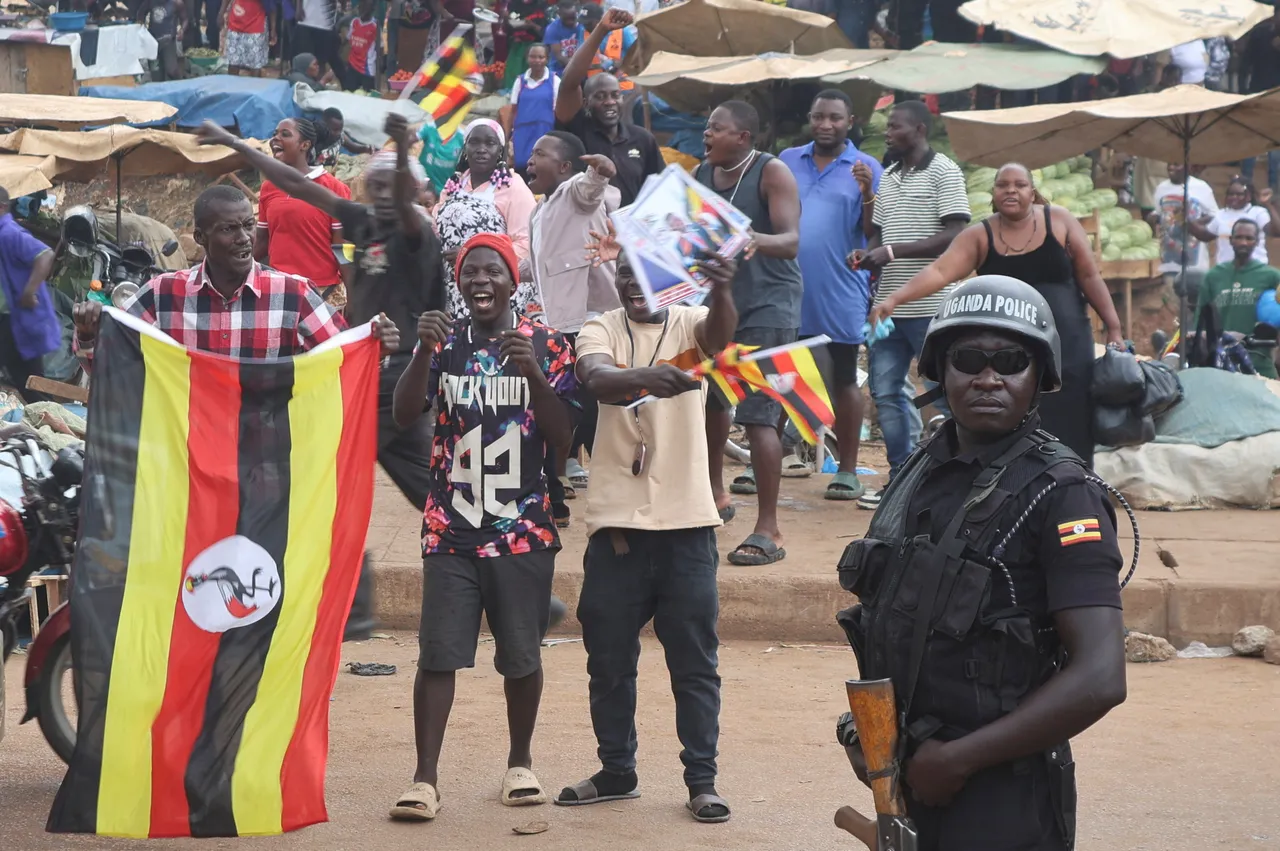
KAMPALA, Uganda — The streets of Kampala, once alive with the colour, sound, and anticipation of election season, now sit under a heavy and uneasy calm. Campaign songs have faded from junctions and trading centres. Public gatherings are rare. In their place are quiet conversations, early closures, and nightly reports of abductions that stir memories many Ugandans hoped were buried in the past.
As the country heads to the polls this Thursday, the capital reflects a deeper national truth. This is not merely an election season. It is a moment of reckoning, unfolding under fear, enforced through force, and overshadowed by growing concerns about the future of Uganda’s leadership and democracy.
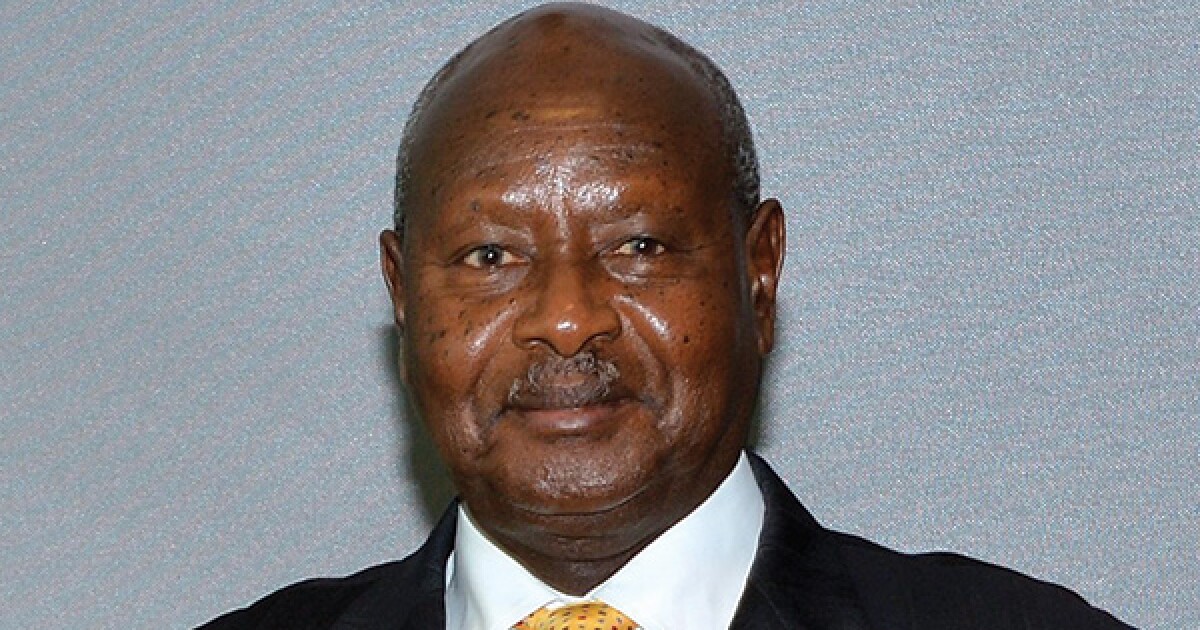
President Yoweri Kaguta Museveni, in power for 38 years, continues to command firm control over state institutions, making his re election a near certainty in the view of many analysts. Yet the government’s response to the challenge posed by Kyagulanyi Robert Ssentamu, widely known as Bobi Wine, has reshaped the political atmosphere in Kampala and beyond. What should be a contest of ideas has increasingly become a contest of endurance.
“What we are witnessing is the use of state power to suppress a generation that is demanding to be heard,” said Dr Sarah Bireete, Executive Director of the Center for Constitutional Governance, shortly before her arrest earlier this month. Speaking through her lawyers from detention, she warned that the violence being witnessed is deliberate and intended to discourage citizens from believing that their voices and their votes matter.
A Pattern That Ugandans Recognise
Government spokesperson Ofwono Opondo has repeatedly denied allegations of widespread human rights abuses, describing them as exaggerated or politically motivated. However, reports compiled by local civil society organisations and international observers reveal a pattern that many Ugandans recognise from previous election cycles.
Human rights groups such as Chapter Four Uganda have documented cases of enforced disappearances involving opposition supporters. Among them is John Bosco Kibalama, abducted near Nateete on December 28, and Shamilah Nakimera, taken from a boda boda stage in Kawempe. Weeks later, their families still wait without answers.
The pre election period has also been marked by deadly encounters with security forces. On January 7, Francis Kasaija, a boda boda rider, was shot dead in Kisenyi during a security operation. On December 30, Rita Nabukenya, a university student, lost her life during an opposition mobilisation in Luweero.
At the same time, hundreds of opposition supporters and organisers have been arrested and detained. Among them is Waiswa Mufumbiro, Assistant Spokesperson of the National Unity Platform, and Eddie Mutwe, a close aide to Bobi Wine. These operations have been carried out primarily by the Uganda Police Force under the leadership of Inspector General of Police Abbas Byakagaba, working alongside other security agencies.
“These arrests are meant to silence communication and spread fear,” Mufumbiro said before his detention. “They want people to feel alone, powerless, and afraid to participate. That fear is the real objective.”
For many Ugandans, the current climate brings back memories of November 2020, when protests following Bobi Wine’s arrest were met with overwhelming force. More than 60 people were killed across the country. Among them were children, including 15 year old Musa Kigongo in Luuka District and Ritah Nabukenya in Kampala. Their names continue to live in the national conscience.
The Question of Tomorrow’s Uganda
Beyond the immediate presidential race, analysts argue that the tension and violence reflect anxiety within the ruling establishment about what comes after President Museveni.
The president is widely believed to be positioning his son, General Muhoozi Kainerugaba, commander of the Special Forces Command, as his eventual successor. This perception has reshaped political calculations both within the ruling National Resistance Movement and among ordinary citizens.
“The growing role of the military in civilian politics is intentional,” says Captain Retired Charles Odongtho, a security analyst based in Kololo. “This election is being used to show that any transition will be tightly controlled. That message is not only directed at political elites, but also at the public.”
While senior officials such as Prime Minister Robinah Nabbanja and Security Minister Jim Muhwezi continue to campaign openly for Museveni, many Ugandans sense that the real struggle is not simply about this election, but about who will shape the country’s future long after it.
Why This Vote Still Matters
President Museveni’s share of the vote dropped to 58 percent in the 2021 election, the lowest in his long rule. Even a small further decline would signal a shift in public confidence.
“The repression we are seeing is an attempt to stop that shift,” Dr Bireete said in a written statement from prison. “But history shows that fear does not last forever. What lasts is the memory of who stood up and who stayed silent.”
For Ugandans, especially the young, this election carries weight beyond the final tally. Voting is not only about choosing a leader. It is about affirming dignity, participation, and the belief that the future should be shaped by citizens, not by fear.
As Ugandans line up at polling stations under the watchful presence of security forces, the question before the nation is clear. It is not only who wins the presidency.
It is whether Ugandans choose to surrender their voice, or to use it.