
KAMPALA, Uganda / GENEVA, Switzerland – On September 27, 2010, the United Nations Human Rights Council adopted Resolution A/HRC/15/L.16, a landmark document that called upon all member states to take decisive action. The resolution specifically urged States to protect judges, lawyers, prosecutors, and their families against violence, threats, retaliation, discrimination, interference, and harassment arising from the discharge of their professional functions.
Sixteen years later, legal observers and human rights advocates are asking: has Uganda forgotten its commitment?
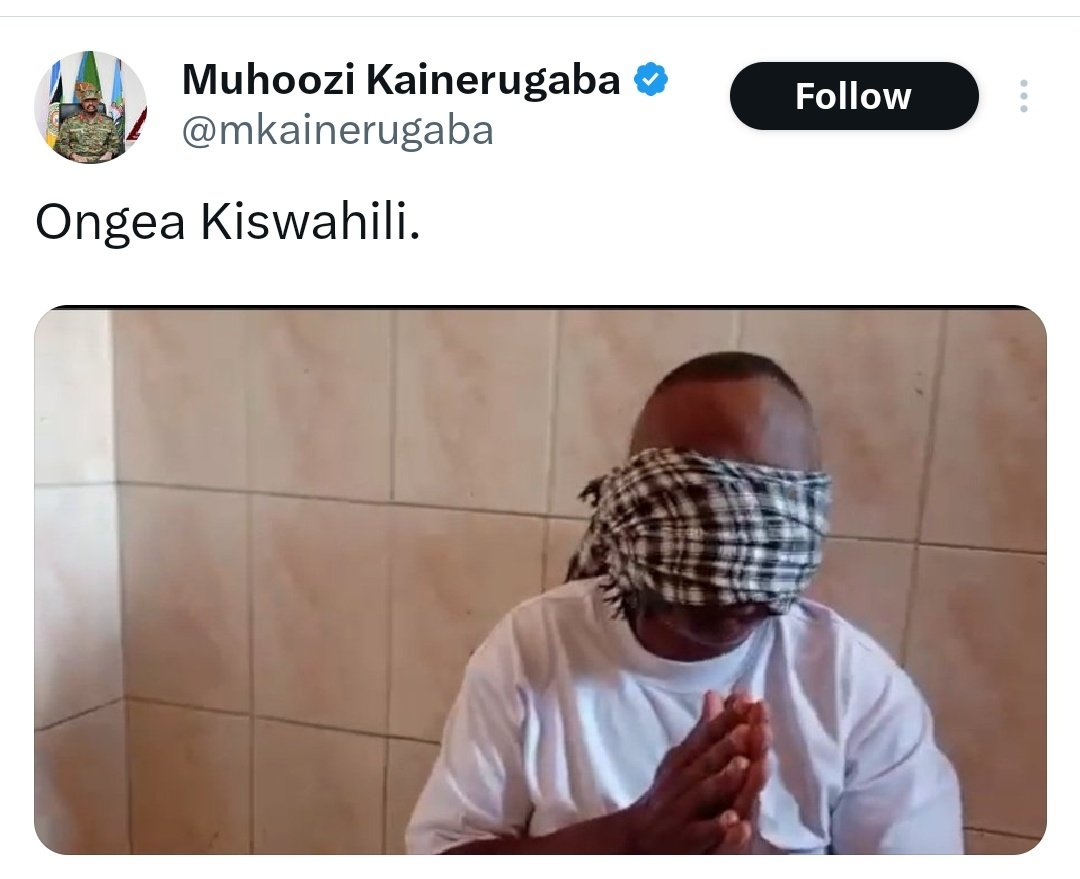
The abduction of Erias Lukwago—outgoing Lord Mayor of Kampala, former Member of Parliament, and senior counsel for opposition leader Dr. Kizza Besigye—has placed Uganda’s compliance with international law under sharp scrutiny. Lukwago was seized from his Wakaliga residence on Monday morning by armed men in military uniform. A subsequent photograph released by General Muhoozi Kainerugaba showed the veteran lawyer blindfolded and in captivity.
His alleged crime? Attempting to serve court summons on the Chief of Defence Forces himself.
The 2010 Resolution: What It Requires
Resolution A/HRC/15/L.16 was adopted without a vote, reflecting global consensus on a fundamental principle: the administration of justice depends entirely on the safety and independence of those who practice law. The resolution explicitly calls upon States to:
-
Protect lawyers from violence, threats, and retaliation.
-
Prevent interference with their professional duties.
-
Ensure that harassment of legal practitioners is met with prompt and impartial investigation.
-
Safeguard the families of lawyers from reprisals.
Uganda, as a member of the United Nations Human Rights Council at various points and a signatory to multiple international instruments, is expected to respect and implement these resolutions as a matter of binding international obligation.
A Clear Violation
By any objective measure, the abduction, blindfolding, and detention of Erias Lukwago constitutes a flagrant violation of Resolution A/HRC/15/L.16.
-
He was subjected to violence and intimidation during the dawn raid on his home.
-
His professional function—serving court summons—was met with retaliation rather than respect.
-
His detention represents direct interference with his ability to discharge his legal duties to Dr. Kizza Besigye and other clients.
-
The public release of his blindfolded photograph amounts to harassment and humiliation specifically designed to deter other lawyers from similar actions.
The Call to the State of Uganda
Human rights bodies, legal associations, and civil society organizations are now issuing a unified demand:
The State of Uganda is hereby called upon to immediately and unconditionally release Hon. Counsel Erias Lukwago, particularly if his arrest and detention are a direct result of discharging his professional legal functions on behalf of Dr. Kizza Besigye and others.
Legal experts emphasize that there is no exception in the UN Resolution for military rank, political connections, or presidential lineage. The duty to protect lawyers applies equally when the opposing party is the Chief of Defence Forces as it does in any other case.
‘If This Is the Crime, Then Justice Is Dead’
A prominent Ugandan human rights lawyer, speaking on condition of anonymity, framed the issue in stark terms.
“Serving court summons is not a provocation. It is not an act of aggression. It is the most basic, mundane, and essential function of a lawyer in any society that calls itself civilized. If a lawyer can be abducted, blindfolded, and paraded as a trophy for doing that, then the UN Resolution means nothing. Uganda’s signature means nothing. And justice is dead.”
What Comes Next
The Uganda Law Society has already issued a 24-hour ultimatum for Lukwago’s release, threatening domestic and international legal action against the Chief of Defence Forces personally. That ultimatum is rapidly approaching its deadline.
Meanwhile, opposition leader Bobi Wine has called upon the world not to look on, warning that “there will be accountability for these crimes against humanity.”
The UN Human Rights Council has not yet issued a statement on the Lukwago abduction. However, advocates are preparing to file an urgent communication citing Resolution A/HRC/15/L.16 and demanding that the Council remind Uganda of its obligations.
September 27, 2010, was supposed to mark a turning point—a global acknowledgment that lawyers cannot do their jobs if they live in fear. Sixteen years later, a senior Ugandan lawyer sits blindfolded in military custody, his only offense being an attempt to use the courts.
The State of Uganda has a choice: honor its commitments under international law and release Erias Lukwago immediately, or stand before the world as a nation that protects generals, not lawyers; that punishes the summons, not the abduction; that mocks the very resolutions it once endorsed.
The UN called upon States to protect lawyers. The world is now calling upon Uganda to listen.