
By Kibirango Faisal Semango
The Hoima Post
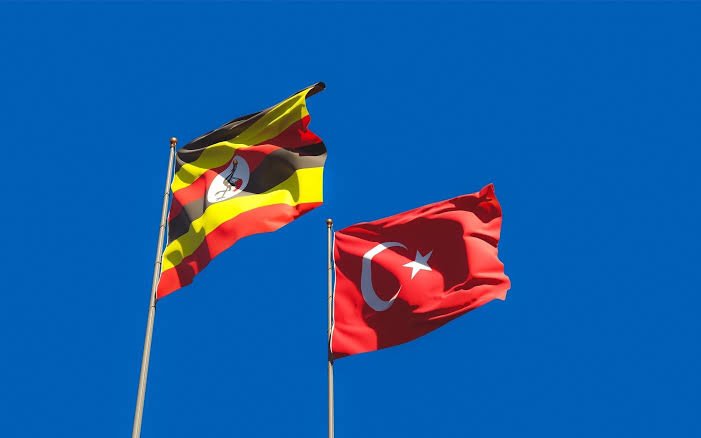
Uganda’s decision to suspend all defence and military cooperation with Türkiye has raised questions about what is really happening behind the scenes between Kampala and Ankara.
On September 19, the Uganda People’s Defence Forces announced the immediate suspension of all defence and military cooperation with Türkiye, saying the measure would remain in place until “outstanding issues” concerning mutual defence and military cooperation are resolved.
But the UPDF did not specify what those outstanding issues are or identify which military programmes have been affected.
The timing, however, is striking.
A relationship that goes back years
Uganda and Türkiye have maintained defence and military relations for years. A 2016 military cooperation agreement provided a framework for cooperation in areas including training, defence industry and related military activities.
The latest suspension therefore represents a significant interruption in a relationship that had developed over many years.
But the military dispute did not emerge in isolation.
The Fred Lumbuye question
At the centre of the most visible disagreement is Ugandan political blogger and government critic Fred Kajubi Lumbuye, who has been based in Türkiye.
Ugandan authorities have accused Lumbuye of offences including incitement, harmful propaganda and cyber related crimes. Ugandan authorities have sought his return to Uganda, while he has remained in Türkiye.
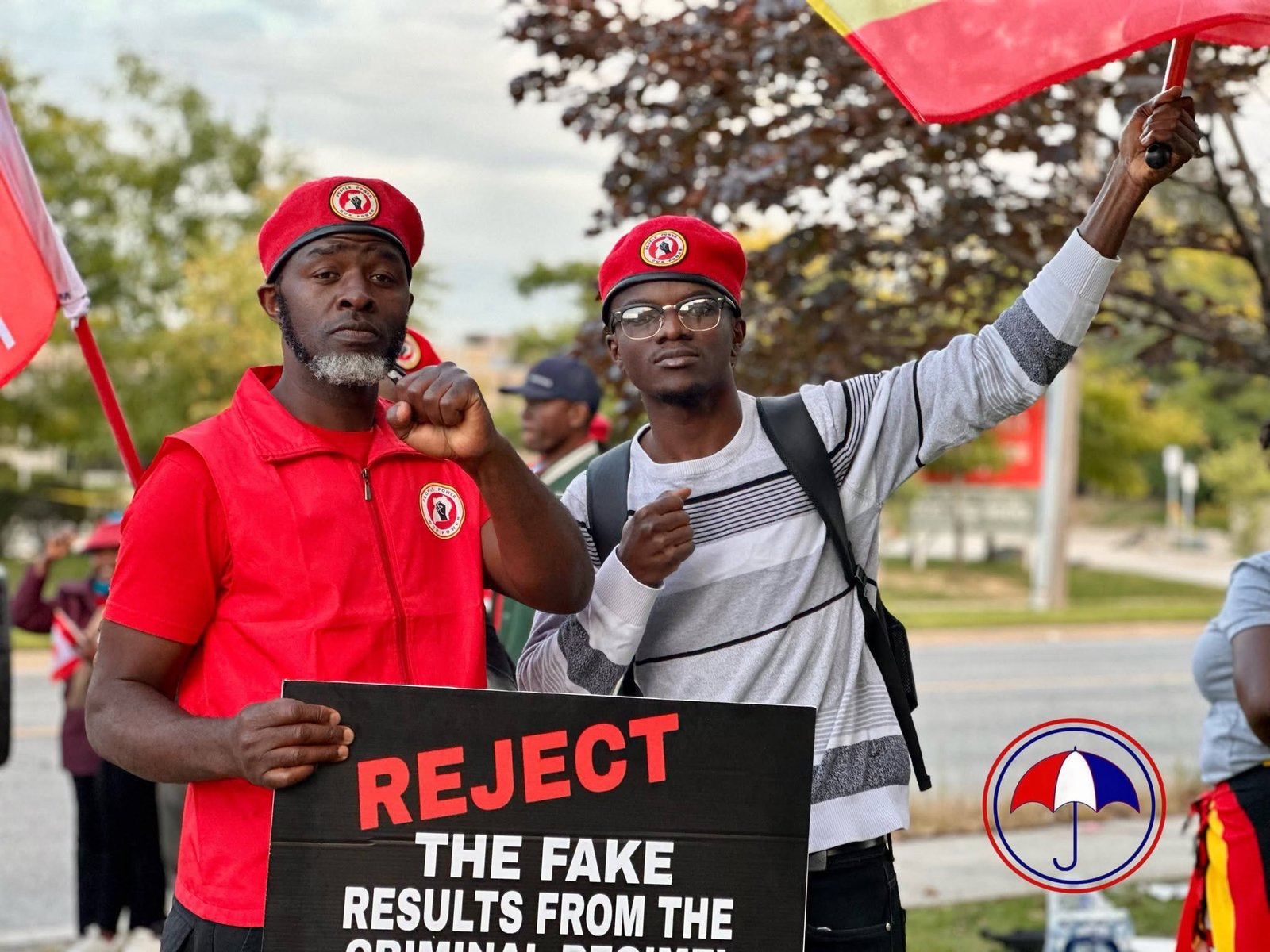
The issue became particularly public on September 18 when supporters of the Patriotic League of Uganda (PLU) marched to the Turkish Embassy in Kampala demanding Lumbuye’s return.
The demonstration followed repeated public demands from Gen. Muhoozi Kainerugaba, the UPDF Chief of Defence Forces and PLU chairman.
One day later, the UPDF announced the suspension of military cooperation with Türkiye.
That sequence of events naturally raises a question:
Was the Lumbuye dispute the trigger for the military suspension?
The evidence currently does not allow that conclusion to be stated as fact.
The UPDF statement did not mention Lumbuye or the September 18 demonstration. It referred only to unspecified outstanding issues between the two countries.
Then there is Somalia
The disagreement between Kampala and Ankara also appears to have a wider strategic dimension.
Uganda has played a major military role in Somalia for years, while Türkiye has expanded its own diplomatic, economic and security presence there.
Gen. Muhoozi has publicly complained that Uganda has carried a significant security burden in Somalia while other countries and businesses benefit from the stability created by that involvement.
In April, Muhoozi publicly demanded a $1 billion security dividend from Türkiye, linking the demand to Uganda’s role in Somalia. The demand became part of the increasingly public dispute between the two countries.
This makes the dispute bigger than the question of one Ugandan dissident.
A diplomatic relationship under pressure
The developments of the past few days have produced an unusual picture.
On September 18, PLU supporters demonstrated outside the Turkish Embassy demanding Lumbuye’s return.
At the same time, President Yoweri Museveni was meeting Türkiye’s ambassador, while Ugandan officials have continued pursuing economic and commercial engagement with Türkiye.
Then, on September 19, the UPDF announced the suspension of military cooperation.
These different signals raise questions about how Uganda’s foreign and security policy is being coordinated.
The suspension should therefore not automatically be interpreted as a complete diplomatic break.
For now, what has officially been suspended is defence and military cooperation, not Uganda’s entire diplomatic relationship with Türkiye. The UPDF has also left the door open to restoring cooperation once the outstanding issues are resolved.
The bigger question
The central question now is not simply why Uganda suspended military cooperation with Türkiye.
It is whether the suspension is primarily about Fred Lumbuye, Uganda’s interests in Somalia, demands for greater reciprocity from Türkiye, or a combination of unresolved disputes.
Until Kampala provides more details, any definitive explanation would remain speculation.
What is clear is that a military relationship built over years has suddenly been placed on hold, following months of increasingly public disagreements.
And the next move from Kampala and Ankara could determine whether this becomes a temporary diplomatic dispute or a much deeper strain in Uganda–Türkiye relations.
The Hoima Post will continue to follow developments as more information emerges.