
The Hoima Post | Diaspora Correspondence
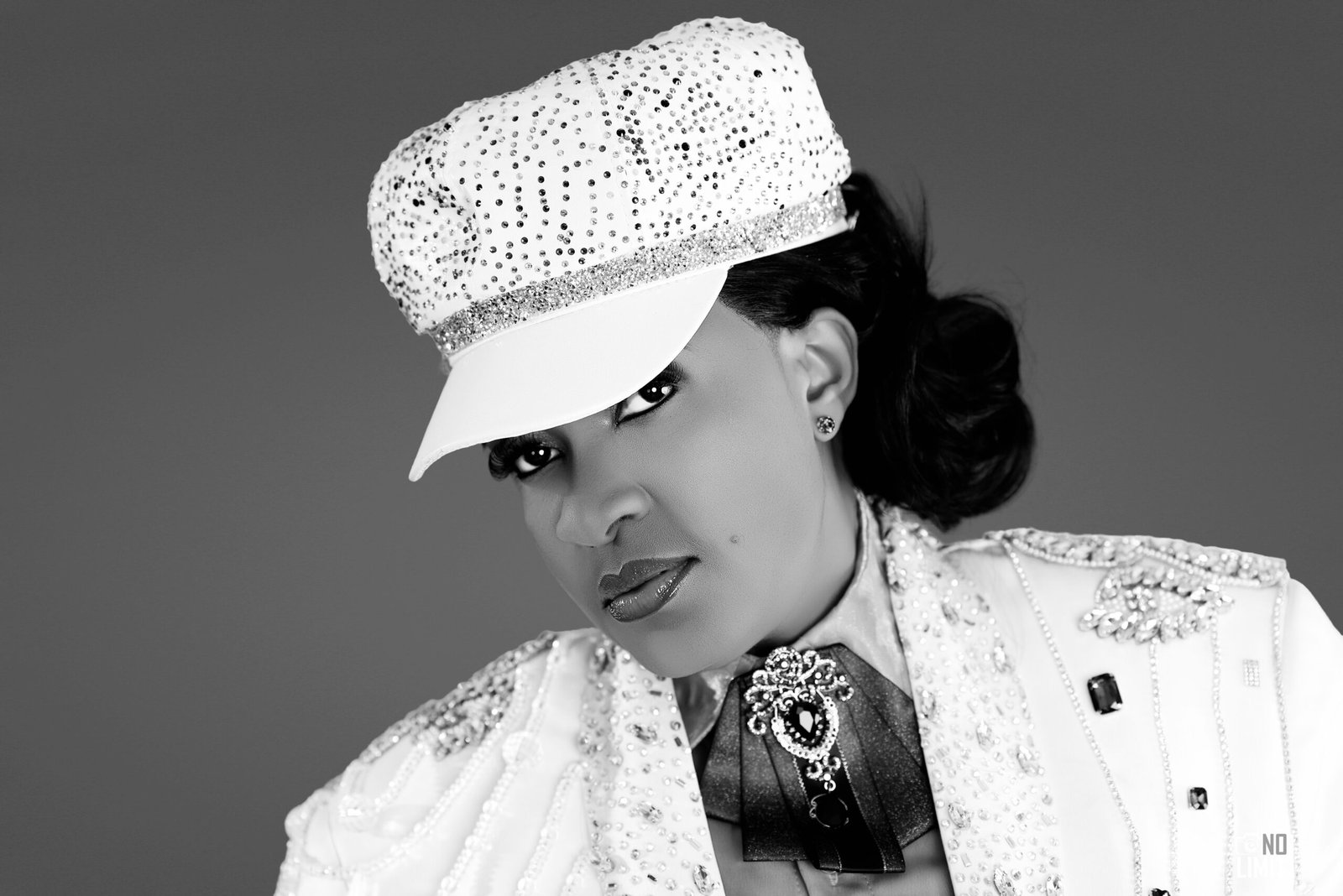
Julie Mutesasira’s sold-out concert in Toronto on May 9, 2026, has emerged as one of the most discussed African diaspora events in Canada this year, igniting conversations surrounding faith, identity, inclusion, and the evolving realities of immigrant communities abroad.
Held at 237 Sackville Street in downtown Toronto under the theme “An Evening with Julie: The Story & Songs,” the event attracted a full-capacity audience despite weeks of debate within sections of the Ugandan diaspora community regarding the artist’s openly acknowledged same-sex marriage and public advocacy for inclusivity.
For many attendees, the evening evolved beyond entertainment and became a defining cultural moment within the East African community in Canada.
The concert was officially opened by Reverend Eddy Jjumba, who delivered prayers for the success of the event and peace among attendees. Rev. Jjumba, widely recognized across diaspora circles for supporting community functions throughout Canada and the United States, emphasized compassion, unity, and coexistence during his remarks.
“Communities grow stronger when people learn to see humanity before division,” Rev. Jjumba told attendees during the opening prayer session.
The event also attracted several prominent figures from the Ugandan Canadian community, including Allan Kajik, Uganda’s Head of Commission in Canada, who personally congratulated Julie Mutesasira and publicly extended support following what many described as an exceptionally organized and emotionally impactful performance.
Also in attendance were CEOs of various community organizations, event organizers, entertainment promoters, and media personalities affiliated with Ugandan diaspora platforms operating across Canada and the United States.
Community observers say one of the key figures behind the successful execution of the concert was Dennis Wamala, a Canada-based human rights advocate and diaspora organizer who reportedly played a central coordinating role behind the scenes.
Wamala previously appeared before Canada’s Subcommittee on International Human Rights as a Program Officer with Rainbow Railroad, where he contributed testimony regarding the experiences of LGBTQI+ Ugandans seeking protection pathways and safety support abroad. Parliamentary records from OpenParliament.ca document his remarks on the challenges faced by vulnerable LGBTQ communities from East Africa.
According to individuals familiar with the planning process, organizers intentionally positioned the event around storytelling, healing, worship, and emotional connection rather than political confrontation.
“The strategy was authenticity,” said one anonymous entertainment consultant familiar with diaspora event promotion in Toronto. “The organizing team understood that if the atmosphere felt genuine and welcoming, audiences would connect emotionally regardless of differing personal beliefs.”
Another community stakeholder described the evening as evidence of broader generational shifts taking place among African immigrant communities in Canada.
“Younger Africans abroad are growing up within multicultural environments where conversations around identity and inclusion cannot be avoided,” the source explained. “What happened in Toronto reflected tensions many families and communities have privately struggled with for years.”
In the weeks leading up to the concert, discussions surrounding Julie Mutesasira circulated widely across TikTok, WhatsApp groups, church communities, and diaspora media spaces. While some religious voices reportedly discouraged attendance, supporters argued the event represented healing, coexistence, artistic freedom, and personal authenticity.
Despite the controversy, the venue filled to capacity.
Inside the hall, attendees described an atmosphere centered less on political division and more on emotional reflection. Worship music blended with personal testimony as audience members sang together, prayed, embraced, and documented the evening across social media platforms.
Several attendees highlighted the diversity inside the venue itself. LGBTQ supporters, religious worshippers, longtime gospel music fans, families, professionals, and entertainment figures reportedly occupied the same space peacefully throughout the night.
“One thing people cannot deny is the atmosphere inside that room,” said one attendee who traveled from Ottawa for the event. “People arrived expecting controversy, but many experienced healing, worship, reflection, and community.”
The sold-out nature of the concert surprised even some critics given the public resistance and boycott discussions that had circulated online before the event.
Supporters, however, viewed the turnout as proof of Julie Mutesasira’s enduring influence as an artist whose personal story and music continue resonating across generations and borders.
Unlike previous appearances linked to larger African community festivals and multicultural gatherings, this marked Julie’s first independently organized major concert in Toronto under her own vision and organizing team.
That distinction made the successful turnout even more significant for supporters and organizers alike.
Within hours of the concert ending, videos and reactions flooded TikTok, Facebook, Instagram, and diaspora media channels across North America, further amplifying conversations around religion, sexuality, migration, acceptance, and coexistence within African communities abroad.
For some observers, the evening represented a challenge to conservative traditions. For others, it symbolized the possibility of peaceful coexistence despite ideological differences.
Yet by the close of the night in downtown Toronto, one fact remained undeniable:
Julie Mutesasira had not only filled the hall.
She had captured the attention of an entire diaspora community.