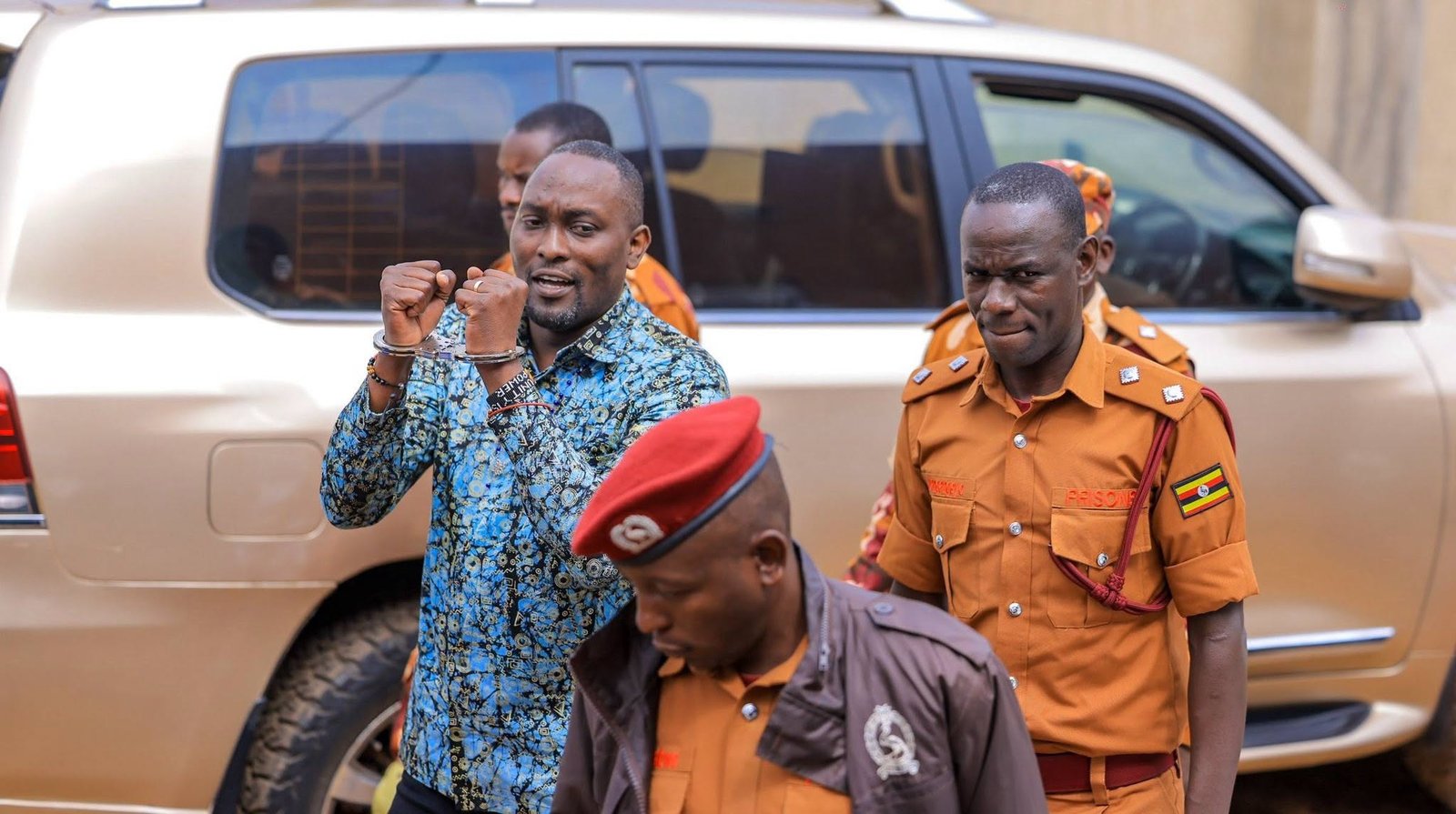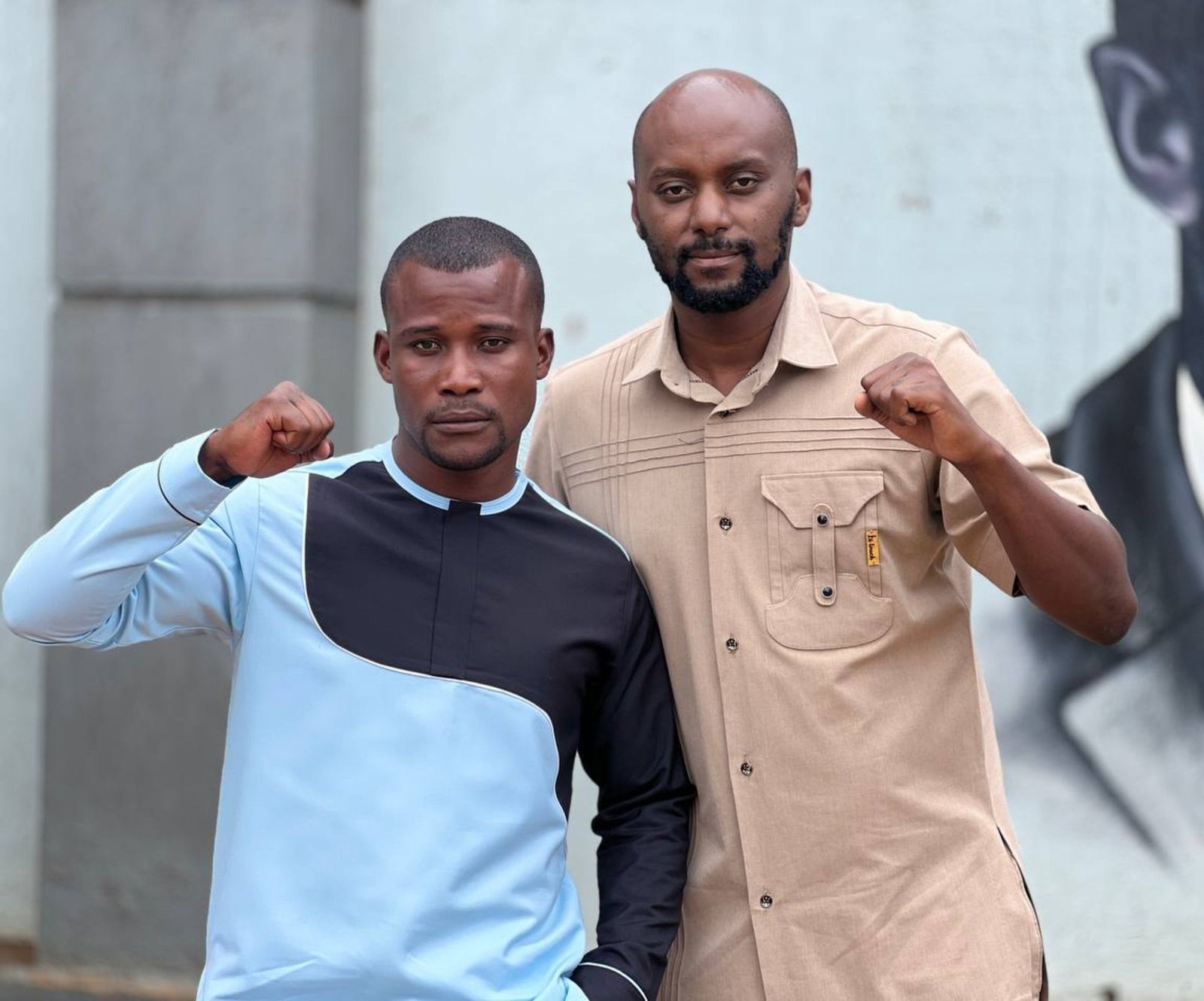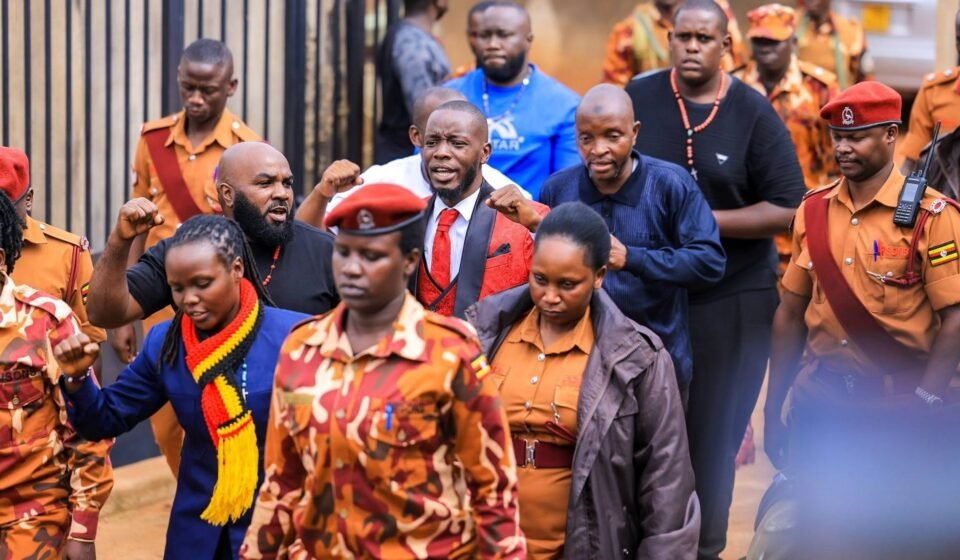

Tensions and legal frustration surrounding the prolonged detention of opposition political activists in Uganda have reached a boiling point after courts once again denied bail applications for supporters of the National Unity Platform (NUP). Many of these individuals have remained behind bars for nearly a year without trial.
Despite defense lawyers arguing that the constitutional threshold for mandatory bail has passed, judicial authorities continue to reject release requests, citing public interest, national security, and potential witness interference.
Constitutional Thresholds vs Judicial Discretion
Under Ugandan law, accused individuals are entitled to apply for mandatory bail if they spend a specified duration on remand without the commencement of their trial. Defense attorneys representing the jailed NUP members contend that their clients have met these statutory conditions, having been remanded for months—and in several cases, approaching a full year.
However, state prosecutors consistently oppose the applications. Presiding magistrates and military court tribunals have repeatedly upheld the prosecution’s arguments, asserting that the gravity of the charges and the need to preserve public order outweigh individual liberty at this stage.
“We have satisfied every constitutional requirement for mandatory bail, yet the state continues to use judicial delays as a tool for political containment,” stated a senior defense counsel following the ruling.
A Pattern of Remand and Delays
The repeated denial of bail follows a ongoing pattern affecting scores of NUP members, field organizers, and high-profile figures who face a range of charges—from unlawful assembly to treasonous offenses.
Key issues surrounding the ongoing detentions include:
-
Overcrowded Remand Facilities: Jailed supporters remain held in facilities such as Kitalya and Luzira Maximum Security Prison.
-
Delayed Disclosures: Defense teams argue that the state routinely delays the disclosure of evidence, stretching out pre-trial proceedings unnecessarily.
-
Disputed Jurisdictions: Controversy remains over whether civilian political activists should face proceedings under civil magistrate courts or military tribunals.
Human Rights Groups Weigh In
Civil rights advocates and international watchdogs have voiced rising concern over the protracted pre-trial detentions, warning that the repeated denial of bail risks turning preventive custody into punitive punishment without conviction.
NUP party leadership continues to call for international oversight and the immediate release or fair trial of all political detainees, insisting that human rights guaranteed under the Constitution must be respected.
With the latest court decisions pushing the next hearing dates further out, families and supporters of the detainees face an indefinite wait for justice.