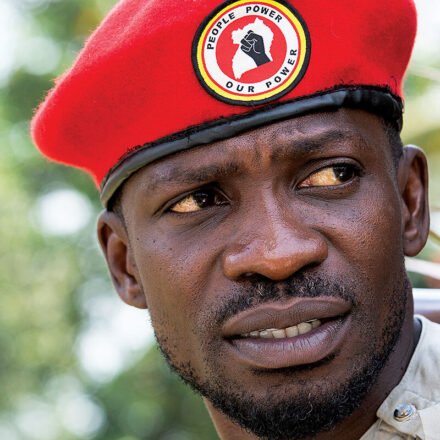
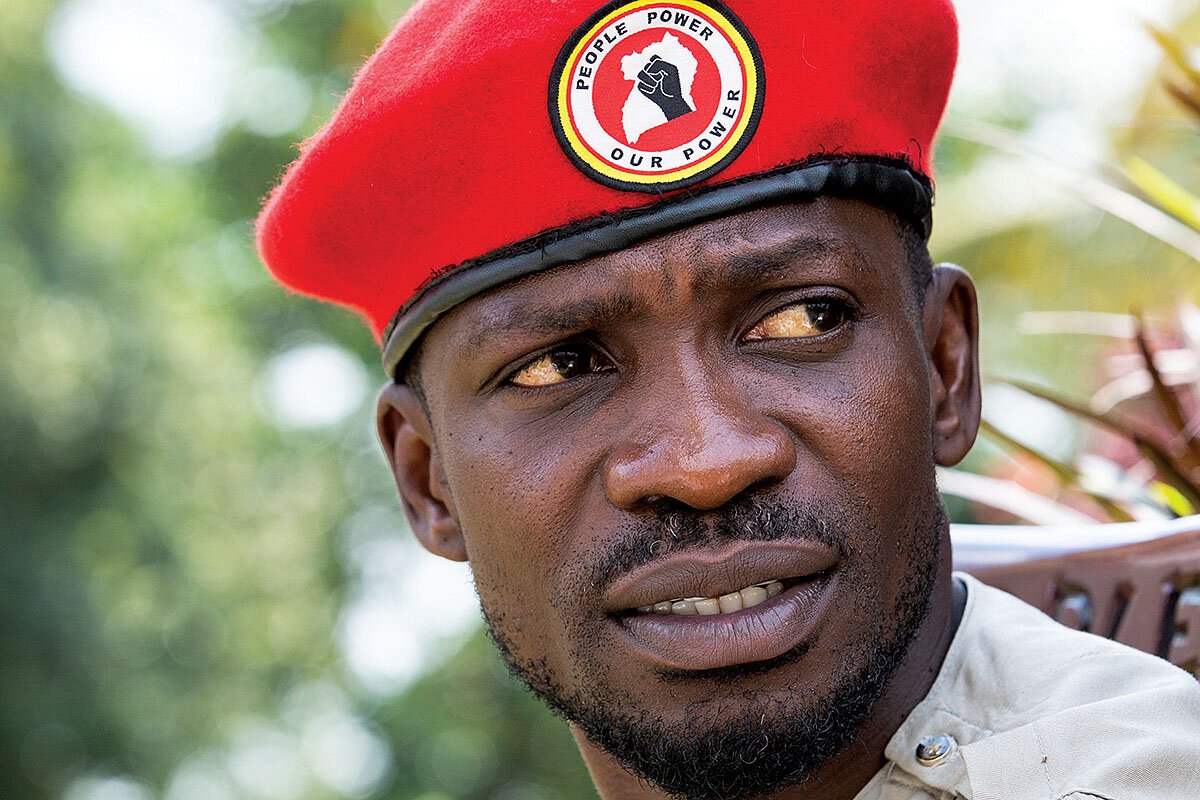


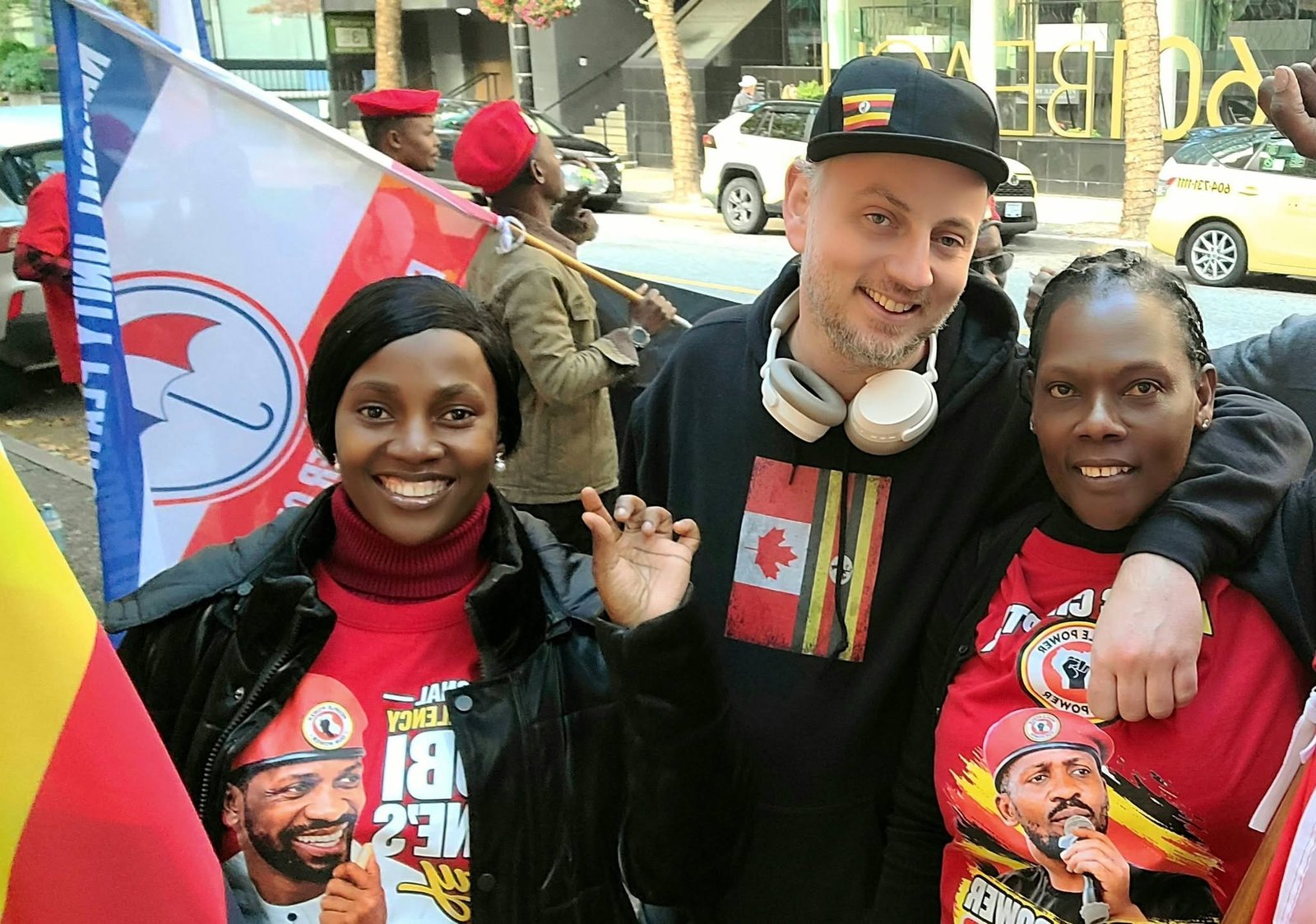
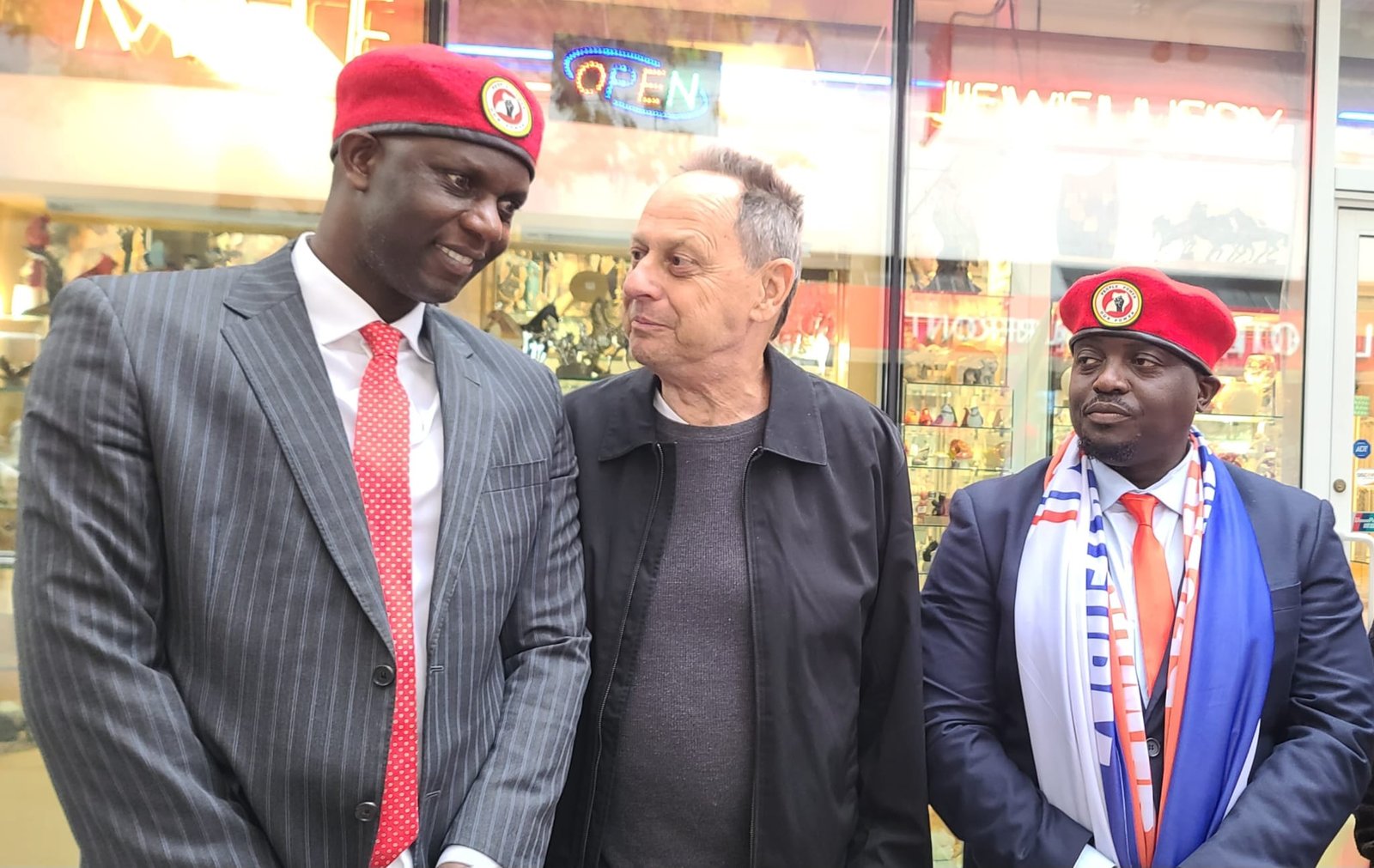
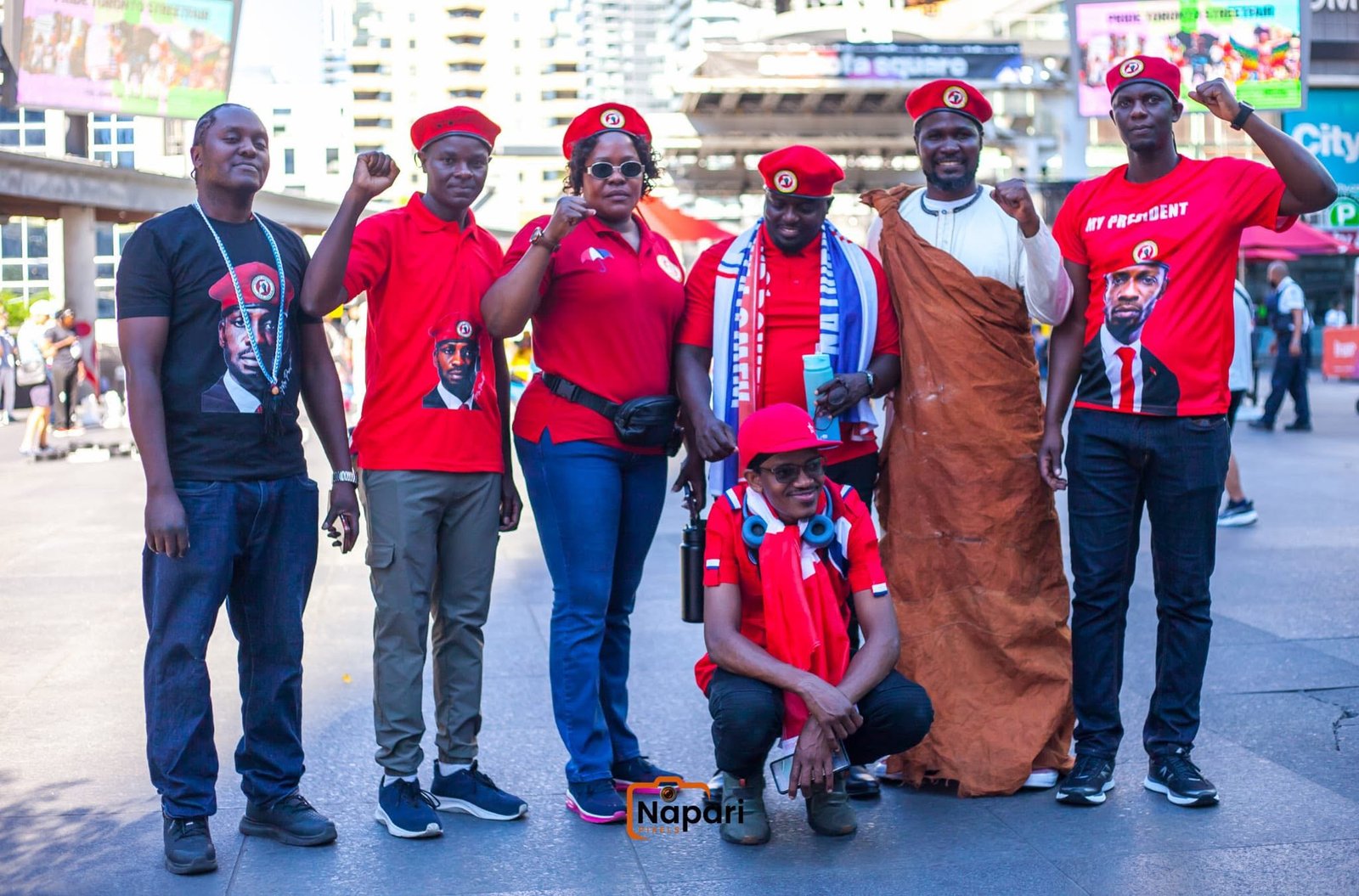



With the 2026 presidential election on the horizon, Uganda’s leading opposition figure, Robert Kyagulanyi Ssentamu, popularly known as Bobi Wine, has warned that the country’s political environment has “gone from bad to worse,” citing intensified threats against him and fellow activists from state actors, including Gen. Muhoozi Kainerugaba, son of President Yoweri Museveni.
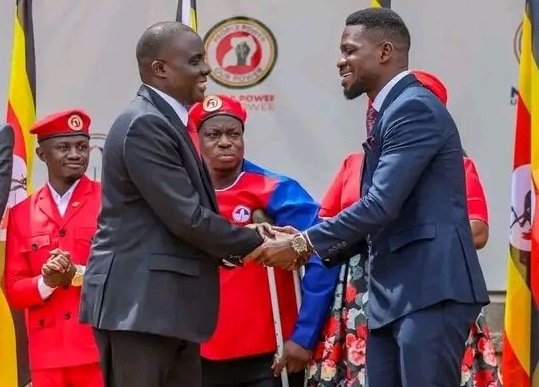
In an exclusive interview with the Associated Press at the National Unity Platform (NUP) headquarters in Kampala—recently raided by security forces—Bobi Wine revealed the gravity of the threats he now faces as Uganda’s most formidable challenger to Museveni’s nearly four-decade rule.
“The threats come in no unclear terms,” Wine stated. “This is no ordinary person. This is a person that is not only the son of the person in charge of the country, but is also the person in charge of all the organs of violence.”
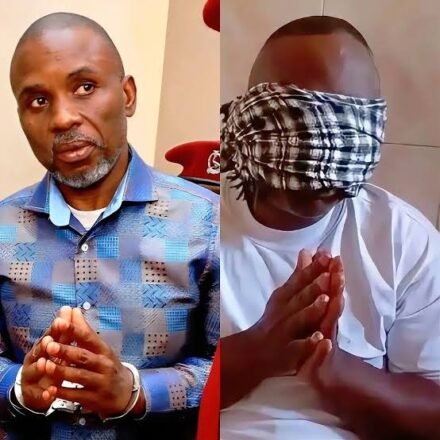
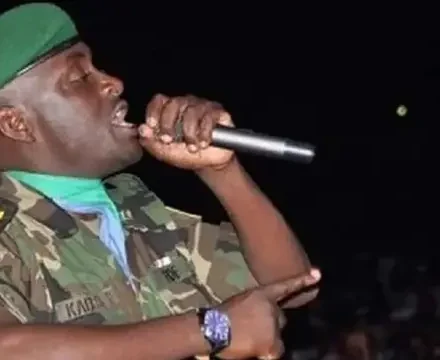
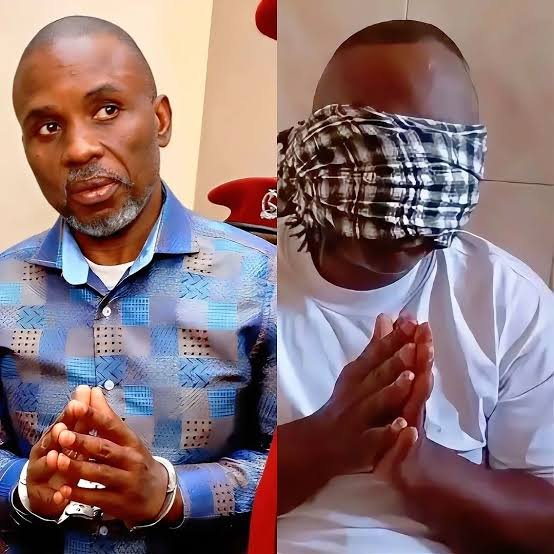
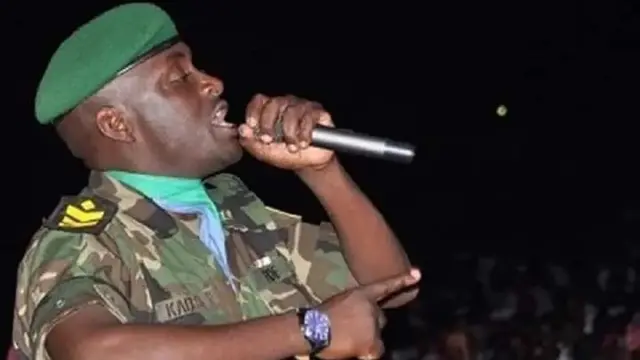
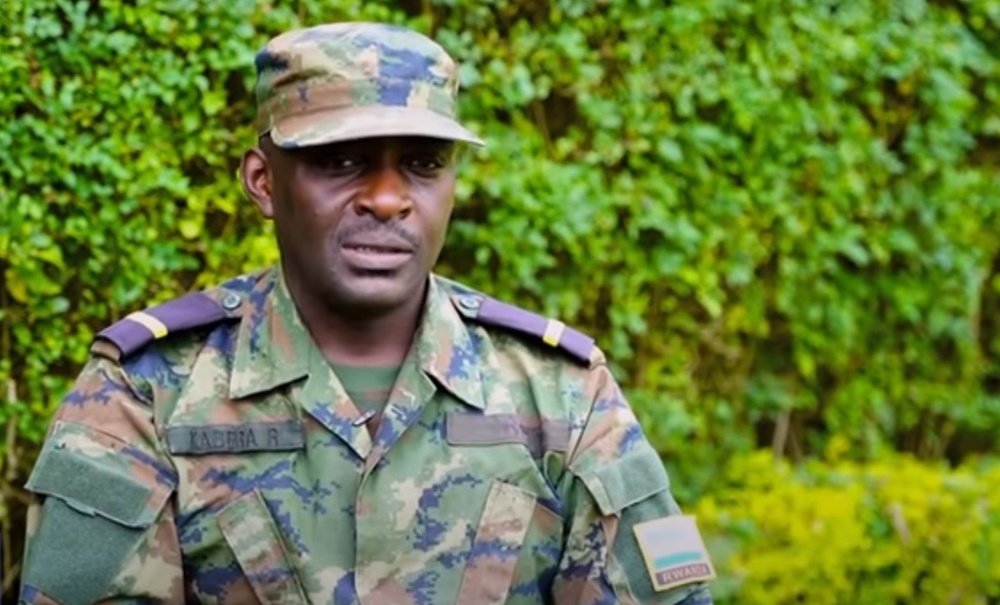
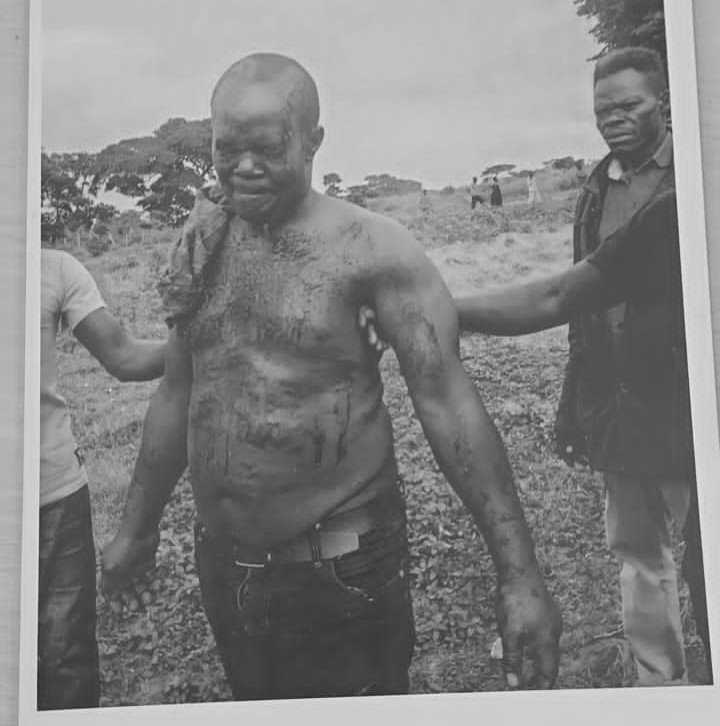
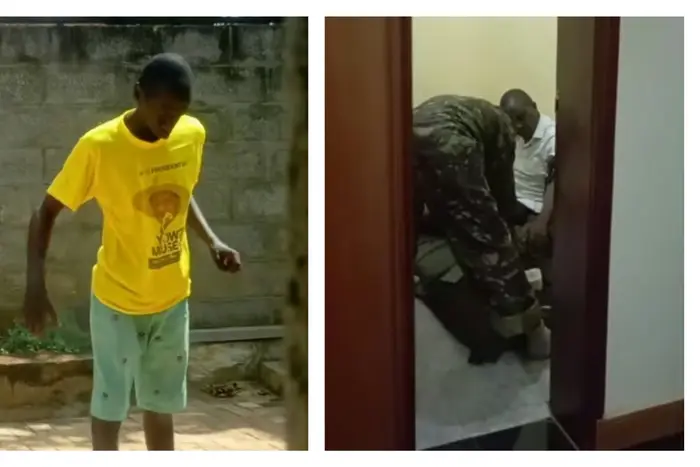
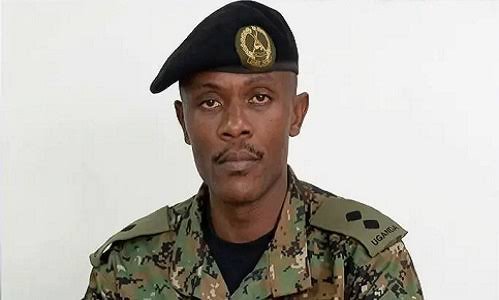
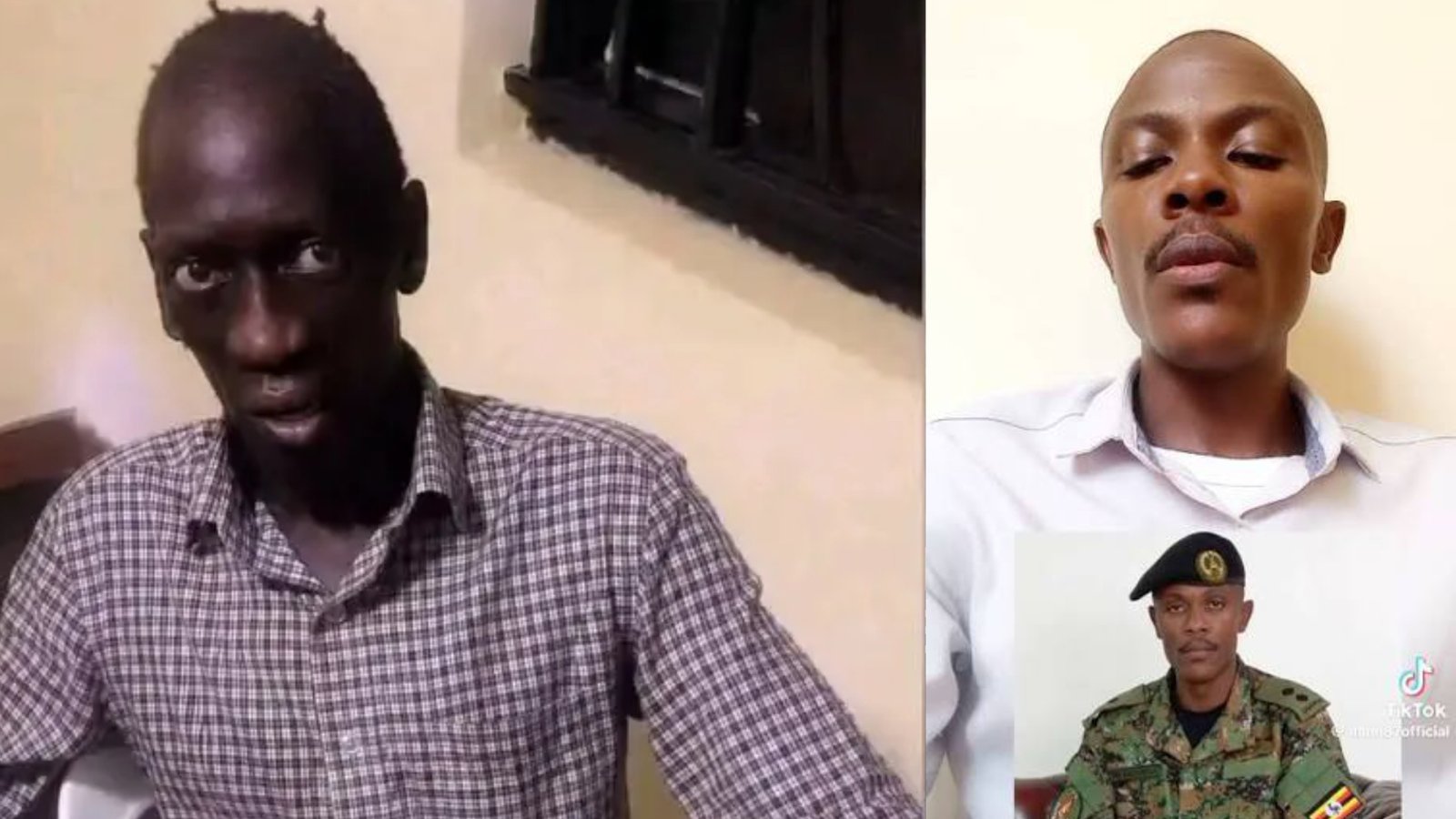
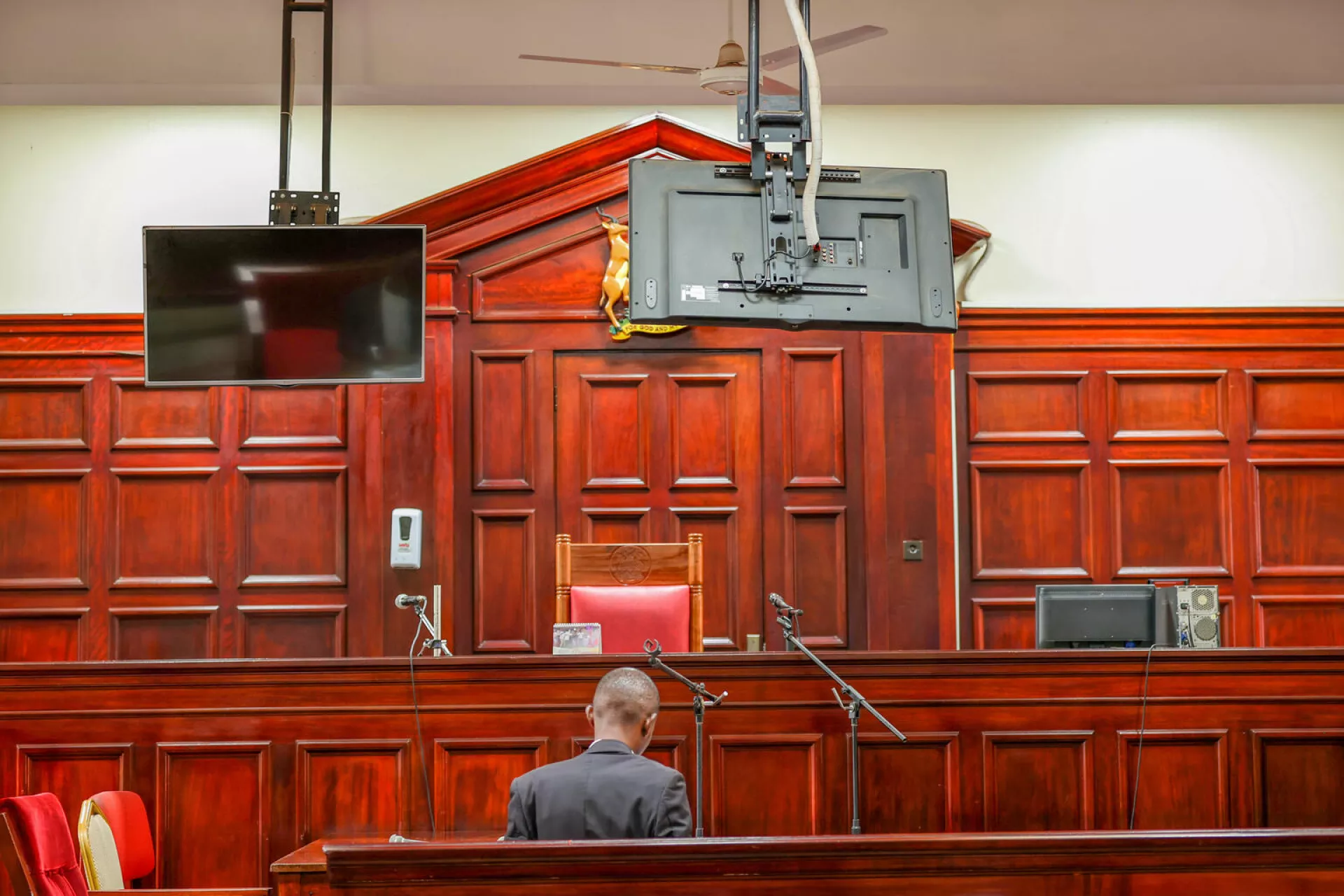
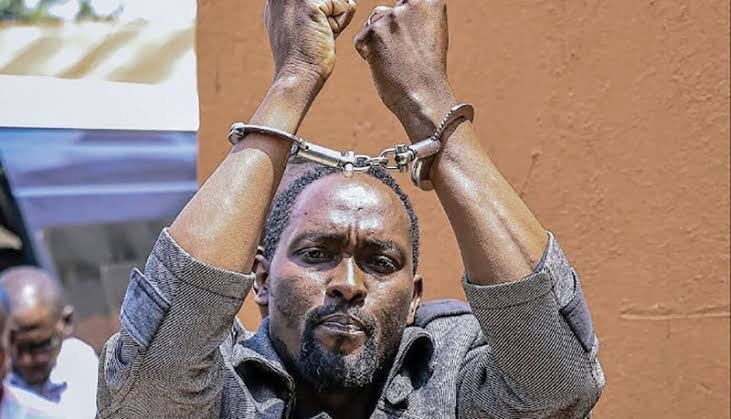
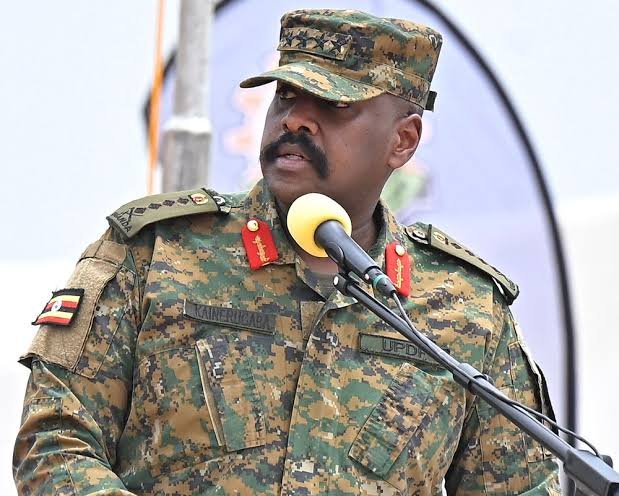
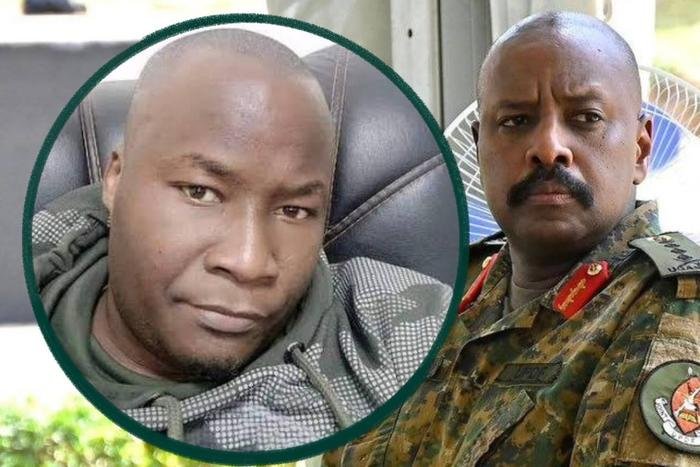
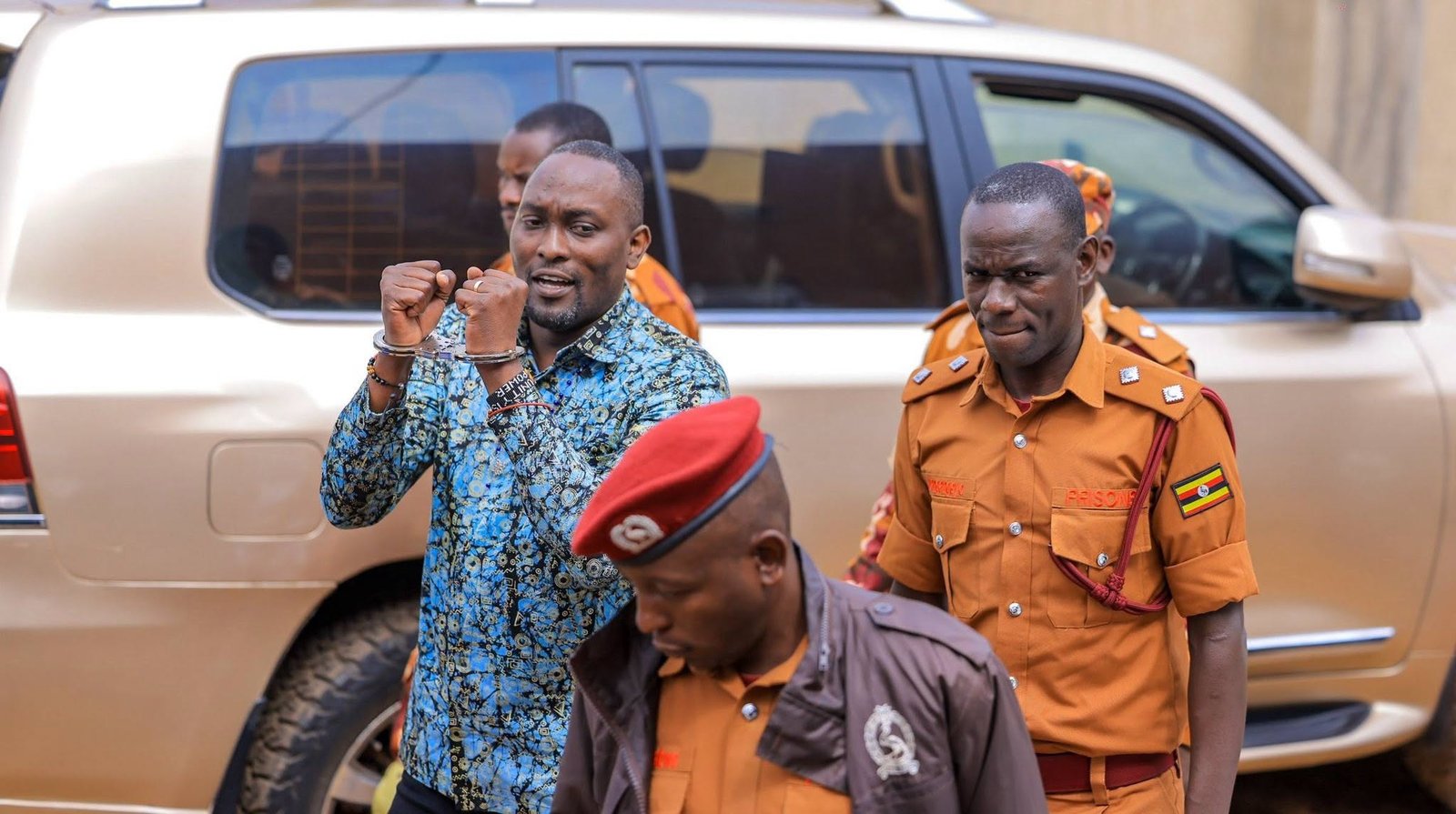
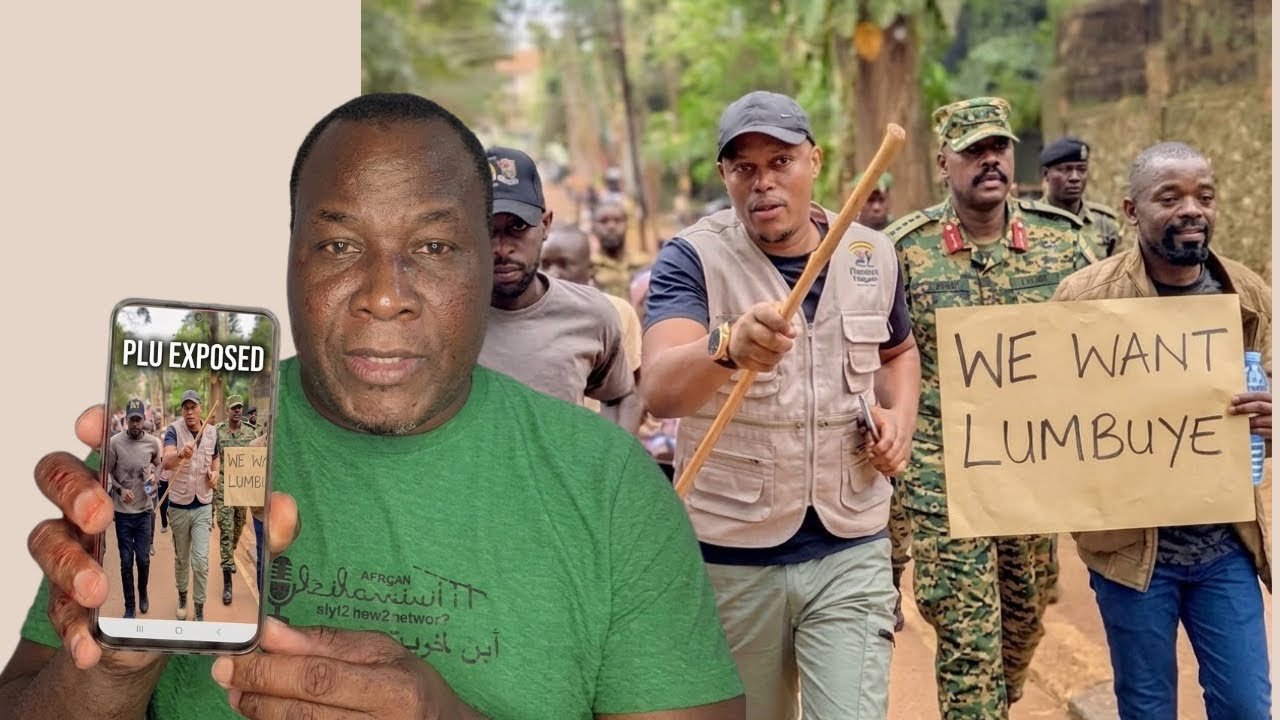
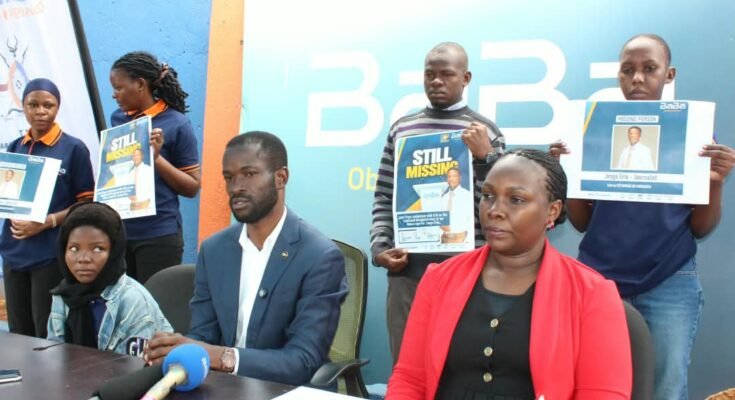
Wine, 43, was referring to General Muhoozi Kainerugaba, Museveni’s son and the current commander of the country’s military forces, who has repeatedly used his X (formerly Twitter) account to issue violent threats against opposition leaders. In January, Muhoozi tweeted that he “would cut off” Bobi Wine’s head “if the president allowed it.” More recently, he claimed to be holding Wine’s missing bodyguard “in my basement,” sparking outrage. When the bodyguard was finally produced in court, he could barely walk—a clear indication of torture.
“It’s a constant reminder that the threat is real,” said Wine. “Muhoozi is above the law, and he has acted as such.”
A Nation at a Crossroads
With elections slated for January 2026, the tensions between the ruling National Resistance Movement (NRM) and the NUP are rising sharply. Museveni, now 80 years old, is seeking another term, despite growing discontent among Uganda’s youthful population and growing calls for change.
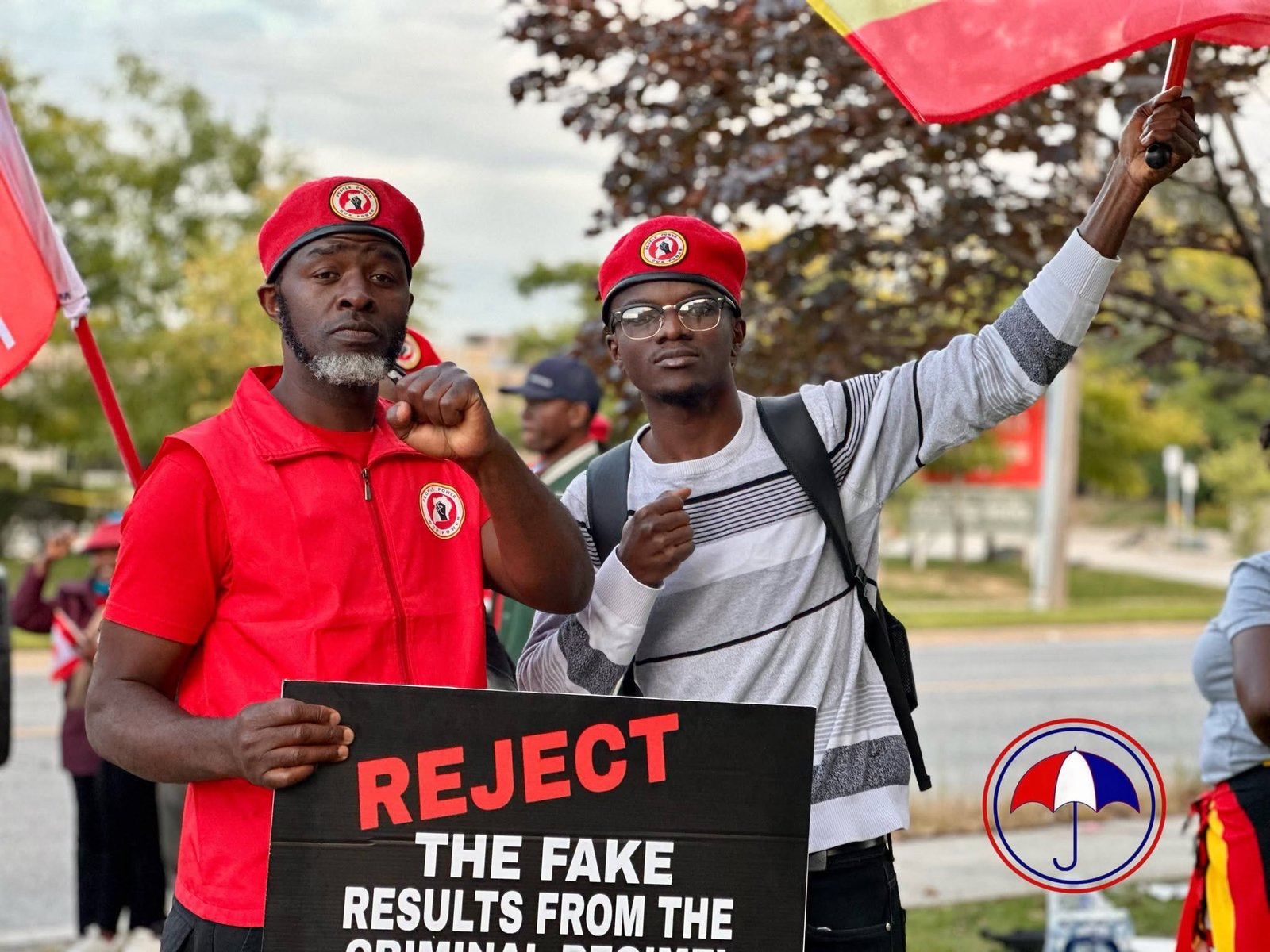
Bobi Wine, who earned 35% of the vote in the disputed 2021 elections—Museveni’s lowest electoral win since taking power in 1986—accused the regime of ballot stuffing, voter intimidation, and suppression of opposition agents. The Electoral Commission denied these allegations, but Wine has continued to claim that he won the vote.
“It was a stolen election,” he told AP. “But beyond the numbers, our people were brutalized, abducted, and silenced. Many are still missing or in jail today.”
The Cost of Resistance
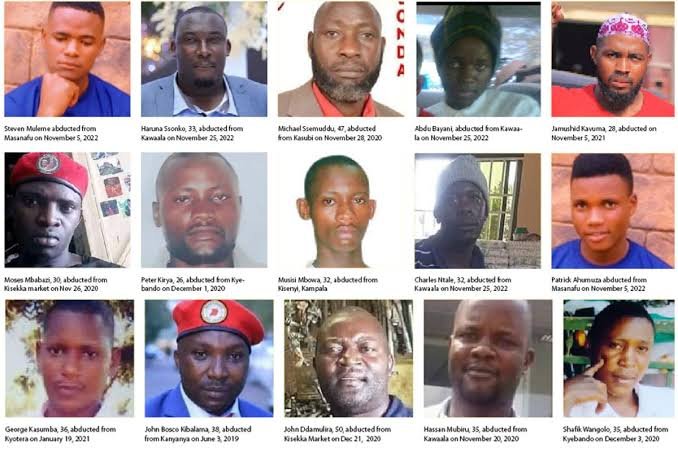
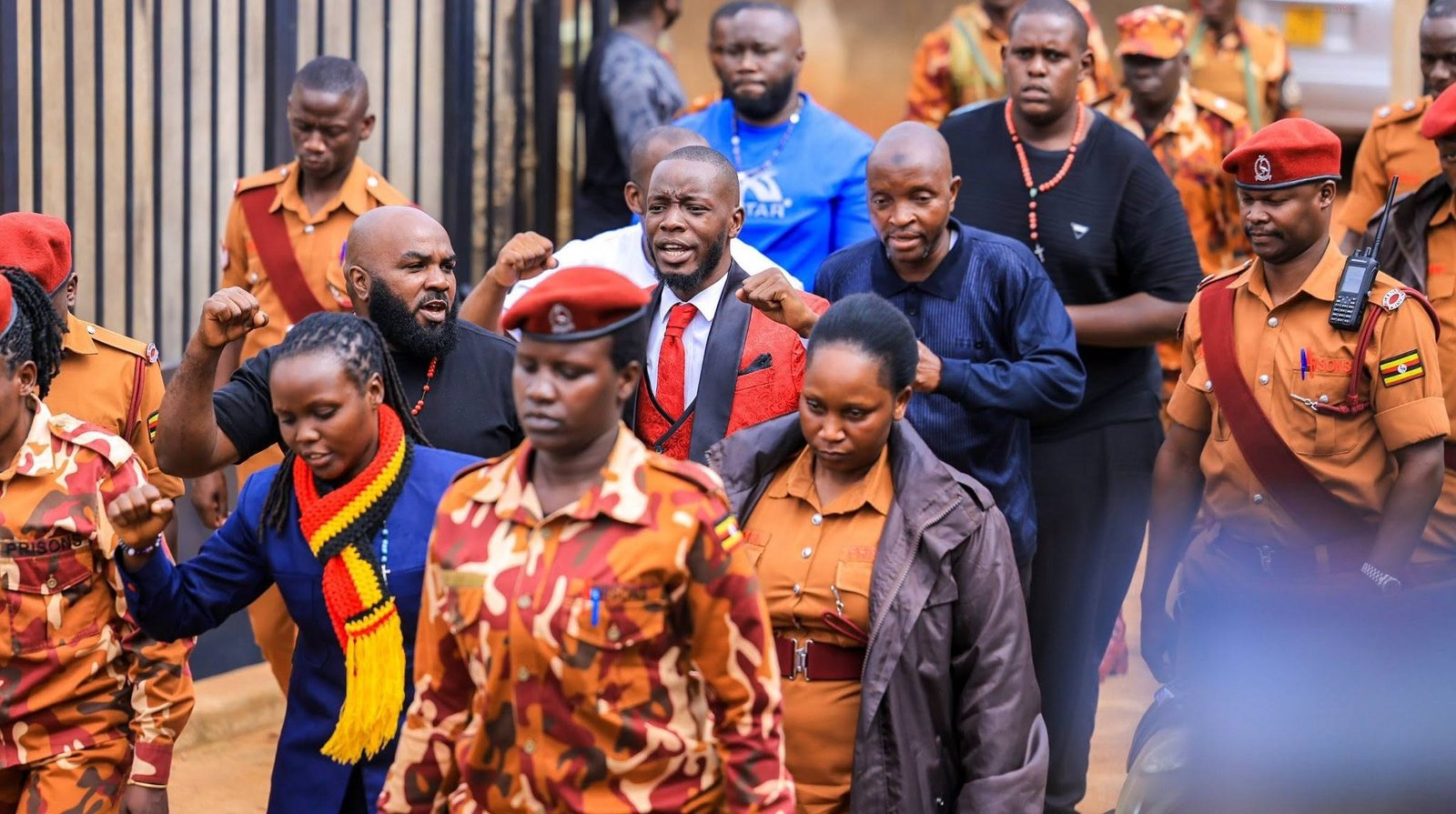
Since 2021, NUP has reported dozens of enforced disappearances, illegal detentions, and torture of its members and supporters. The most recent crackdown saw security forces invade party offices, detain leaders, and ban planned rallies under the pretext of maintaining public order.
“These attacks are meant to send fear down the nerves of all those that work with me and all those that stand for what I stand for,” said Wine.
Yet, rather than retreat, he says the repression has only deepened his commitment.
“Our resolve has become firmer. We are mobilizing our supporters across the country for what I call a protest vote—against corruption, injustice, and dictatorship.”
Wine’s political journey began in 2017, when he won a parliamentary seat in Kyadondo East. Before that, he rose to fame as a dancehall artist, known for socially conscious lyrics that challenged the status quo. Dubbed the “ghetto president,” Wine has since become the face of Uganda’s opposition, particularly popular among urban youth who see him as a symbol of hope.
Museveni vs. Wine: The Rematch
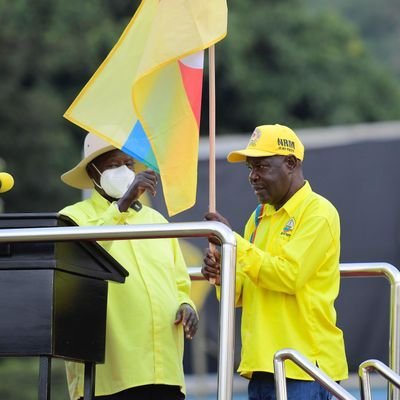
As the 2026 election nears, both Museveni and Wine are preparing for what is expected to be one of Uganda’s most contested elections in history. Museveni has ramped up his campaigning, especially in Kampala, trying to sway urban voters typically loyal to Wine. However, the growing involvement of Gen. Muhoozi in politics—and his threats—have sparked fears of a dynastic takeover and the further militarization of governance.
Muhoozi recently announced that government security forces will protect all presidential candidates, a move interpreted as a veiled threat to opposition figures considering independent security arrangements. The general’s presidential ambitions are well-known and have drawn criticism both locally and internationally.
“It speaks of state capture. It speaks of impunity. It speaks of family rule,” Wine said.
Despite the dire warnings, Bobi Wine remains defiant.
“I may not have tanks, but I have the people,” he said. “And if we stand together, this regime will fall not by the sword, but by the will of the people.”