













By Alexander Luyima | The Hoima Post
KAMPALA, UGANDA: How long can ordinary Ugandans endure rising costs, heavy taxation, forced evictions, and restrictions on the very activities they depend on to survive?
From Kampala’s busy streets to rural communities across the country, many citizens are struggling to sustain their livelihoods. Street vendors are losing trading spaces, boda boda riders face mounting operating pressures, small traders grapple with tax compliance, and farmers continue to question whether government development programmes are delivering the promised benefits.
For millions of Ugandans, the struggle is no longer simply about making money. It is about putting food on the table, paying school fees, supporting families, and living with dignity.
Bana Uganda, tugenda kusirika okutuusa ddi?
Fellow Ugandans, how long shall we remain silent?
THE GROWING PRESSURE ON ORDINARY CITIZENS
Uganda’s informal economy supports countless families. Yet several sectors that provide daily income are facing growing financial and regulatory challenges.
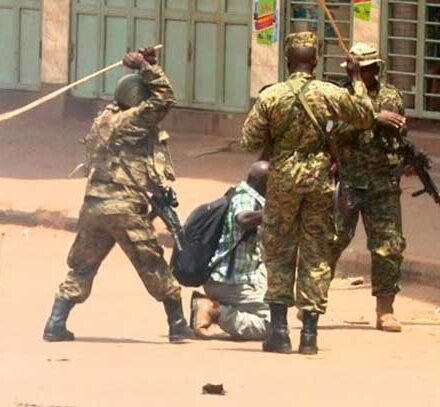
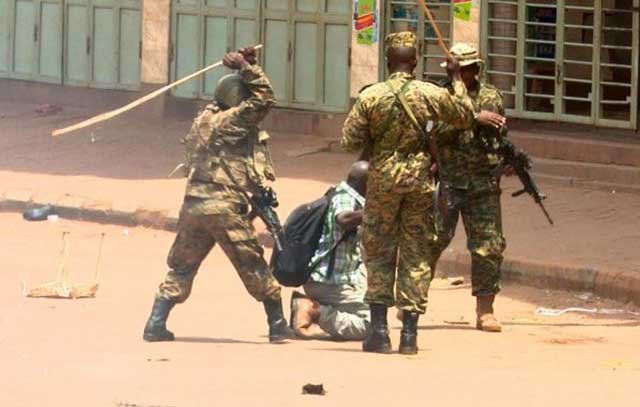
Street vendors: Urban authorities have carried out operations to remove street vendors, known as abatembeyi, from public spaces. While maintaining order is important, removing people from their trading locations without affordable alternatives can leave families without their only source of income.
Boda boda riders: Riders provide essential transport services and employment across Uganda. However, enforcement operations, operating expenses, and additional financial demands can place considerable pressure on those already working with narrow profit margins.
Small traders and EFRIS: Shopkeepers and wholesalers face tax obligations, including the Electronic Fiscal Receipting and Invoicing System (EFRIS). Although improving tax compliance is a legitimate objective, implementation must recognise the financial and technological limitations of small businesses.
A tax system should generate revenue without making it unnecessarily difficult for small traders to remain in business.
Farmers and the Parish Development Model: The Parish Development Model (PDM) was introduced to support household income generation and economic transformation. However, concerns and allegations about mismanagement and access to funds raise questions about transparency and whether intended beneficiaries are receiving the support promised to them.
Second hand clothing and artisanal fishing: Restrictions and enforcement operations affecting the emivumba trade and fishing communities can threaten livelihoods built over many years. Where regulations are necessary, authorities should apply them fairly and consider the economic consequences for affected families.
MOBILE MONEY TAXES AND THE COST OF SURVIVAL
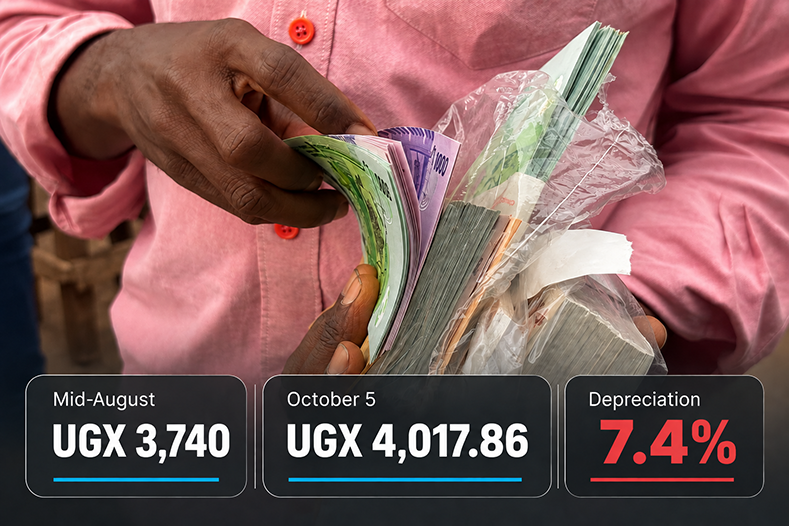
The financial burden also extends to mobile money, which millions of Ugandans depend on to send money, pay school fees, purchase goods, and conduct business.
Taxes and charges associated with mobile money transactions, particularly cash withdrawals, can weigh heavily on people who make frequent transactions involving relatively small amounts.
For a struggling household or small business, these costs accumulate.
The question is whether revenue collection policies adequately consider the circumstances of low income earners, small traders, and people who depend on mobile money because they have limited access to traditional banking services.
Government has a responsibility to collect revenue, but it must also consider who bears the greatest burden.
SELECTIVE ENFORCEMENT AND PUBLIC ACCOUNTABILITY
Beyond taxation lies a deeper concern about fairness.
Ordinary citizens are expected to comply with tax requirements, follow regulations, and accept enforcement measures. Yet many Ugandans question whether politically connected individuals and public officials face the same level of scrutiny and accountability.
Such concerns must be assessed on the basis of evidence. Nevertheless, the perception that the rules are stricter for ordinary citizens than for the powerful can undermine public confidence in government institutions.
If a small trader is expected to account for every transaction, citizens are equally entitled to demand transparency in the management of public funds.
The law must apply fairly, regardless of a person’s wealth, position, or political connections.
WHAT SHOULD CHANGE?
Ugandans are not demanding a country without laws, taxes, or regulations. They are demanding fairness, transparency, and policies that recognise the realities of everyday life.
Street vendors need workable trading spaces. Boda boda riders need predictable and transparent enforcement. Small businesses need practical tax compliance systems. Farmers need development programmes that deliver measurable results. Fishing communities and traders need clear rules and fair treatment.
Above all, citizens deserve accountability from those entrusted with public resources.
Economic development should not be measured by revenue collection alone. It should also be measured by whether ordinary people can afford basic necessities, sustain their businesses, educate their children, and improve their living conditions.
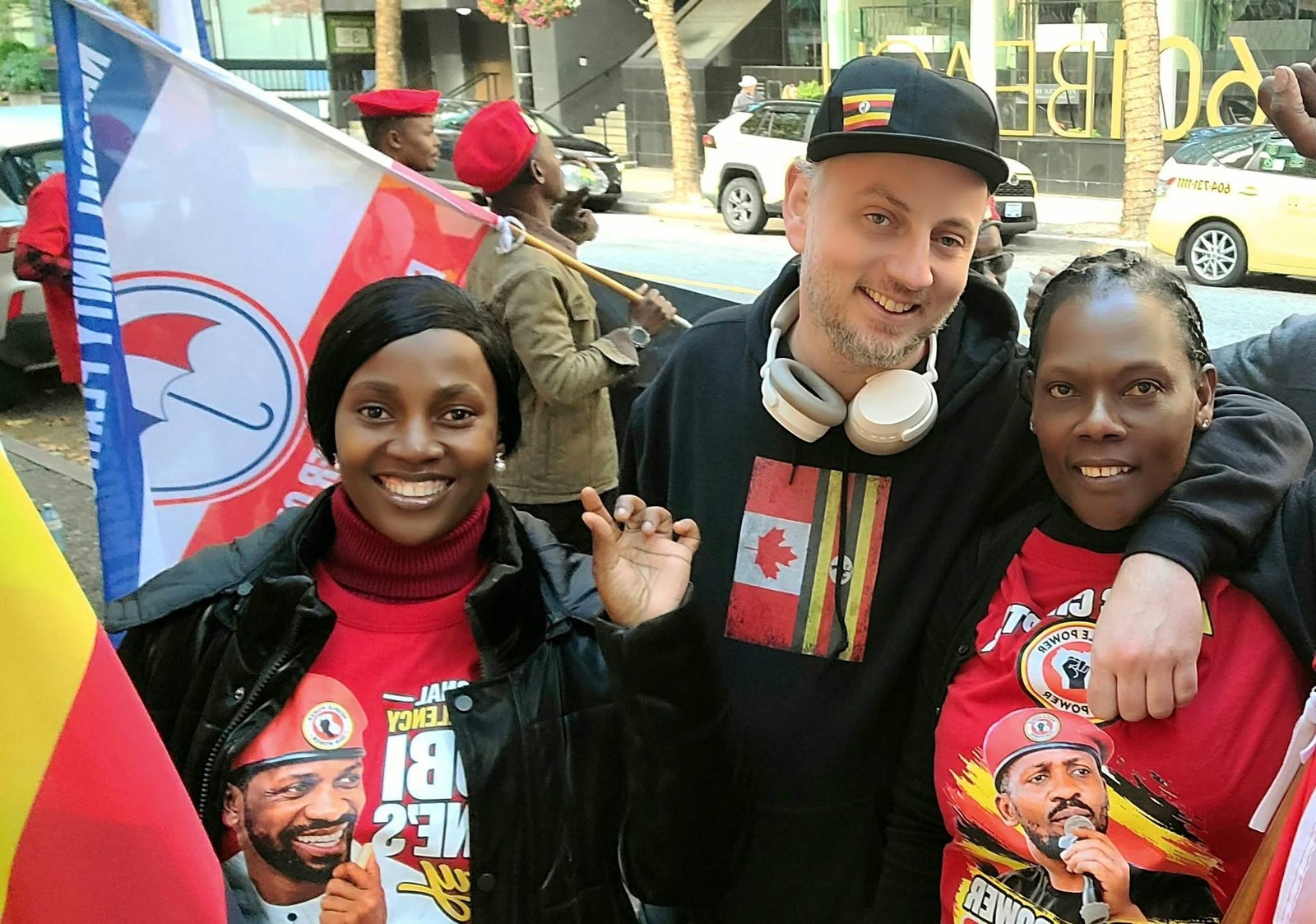
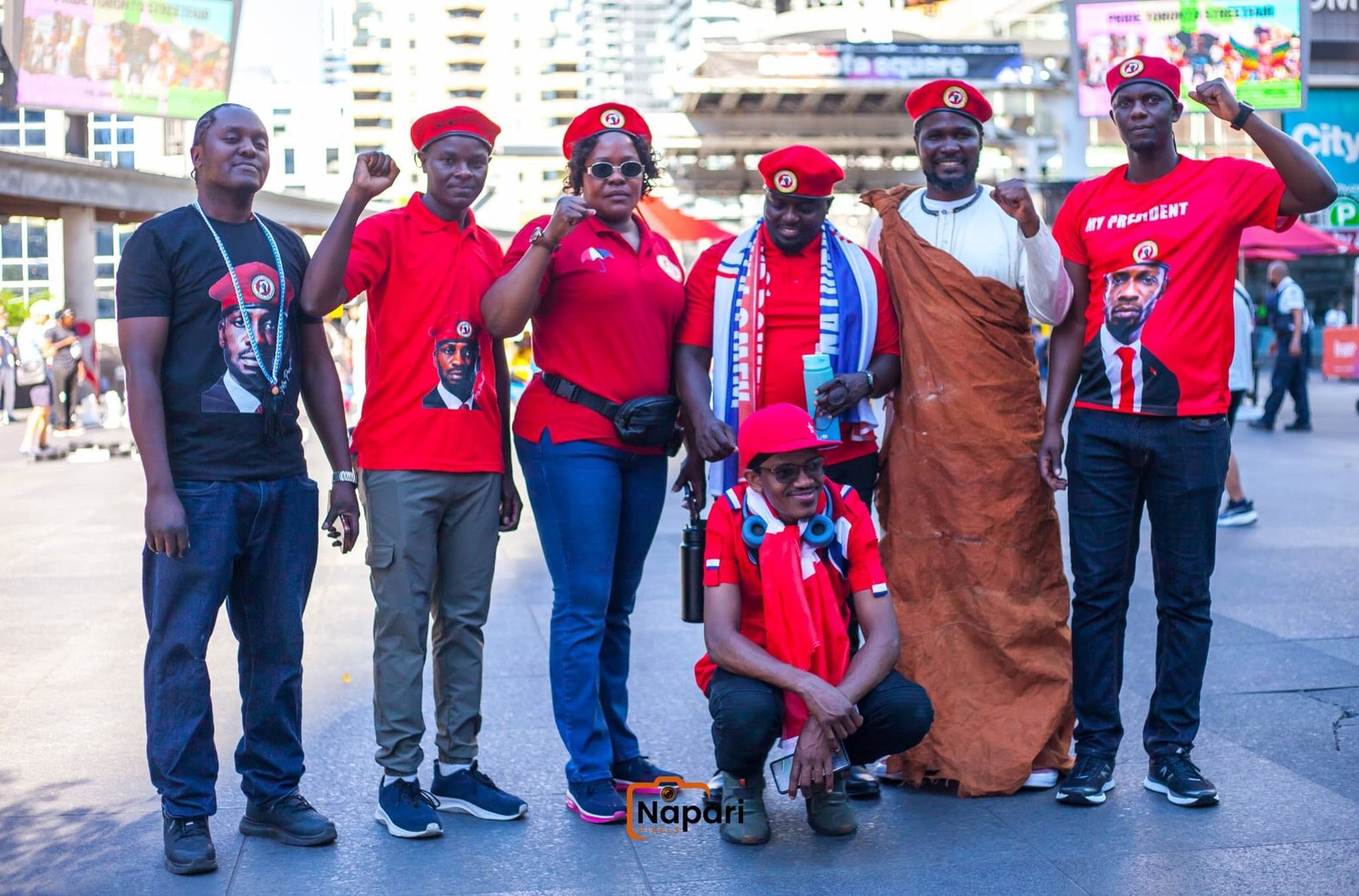
For Ugandans in the diaspora, including those in Canada, the United Kingdom, the United States, and the Middle East, these issues also matter. Their remittances support families and businesses back home, making the health of Uganda’s grassroots economy a shared concern.
The country’s economic future depends on creating an environment where hard work offers a realistic path towards a better life.
The resilience of ordinary Ugandans should not be mistaken for acceptance of every burden placed upon them.
From Kampala to Hoima, from rural villages to the diaspora, the demand for economic justice, responsible leadership, and institutional accountability deserves serious attention.
Uganda needs taxation that is fair, enforcement that is impartial, and development programmes that deliver on their promises.
Bana Uganda, tugenda kusirika okutuusa ddi?
How long shall we remain silent?
The time has come for a serious national conversation about the cost of living, the burden of taxation, the protection of livelihoods, and the accountability of those who govern.
A government that expects its citizens to fulfil their obligations must also demonstrate that it is fulfilling its responsibilities to them.
By Alexander Luyima | The Hoima Post