









By Alexander Luyima | The Hoima Post
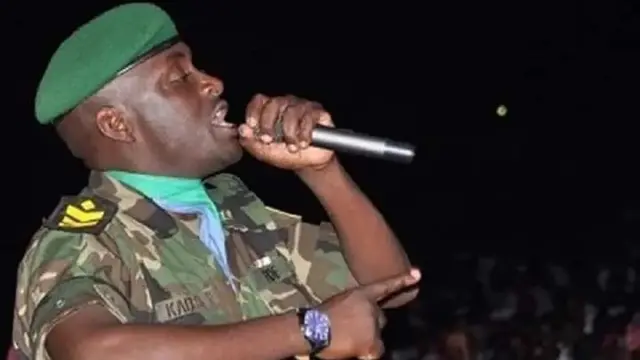
The reported DNA results in the paternity dispute involving veteran Ugandan Kadongo Kamu singer Kazibwe Kapo have raised serious questions about media responsibility, public accusations and the damage that unverified claims can inflict on a person’s reputation.
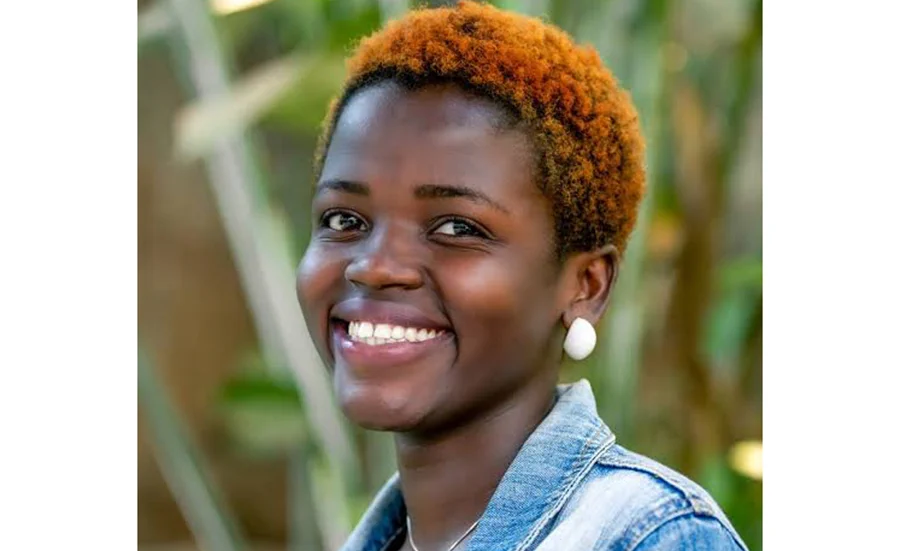
For weeks, the story attracted public attention after Nabaweesi Jamirah reportedly claimed that Kapo fathered her daughter, now 19, following an alleged encounter in 2006. Public debate intensified, with many discussing the alleged resemblance between the young woman and the singer, while questions of abandonment and parental responsibility dominated the conversation.
But one crucial question remained: Was Kapo the biological father?
According to reports circulating on social media, DNA results have now excluded him as the young woman’s biological father. The official laboratory report has not been independently verified for this article, but if the reported findings are confirmed, they fundamentally change the central claim behind the controversy.
When allegations become public verdicts
The case raises an important question about how quickly allegations can become accepted as facts.
Resemblance is not proof of paternity. Public opinion is not scientific evidence. And an accusation, however compelling, should not become a verdict before the facts are established.
Kapo reportedly agreed to undergo DNA testing to resolve the dispute. The reported outcome now places renewed focus on those who publicly treated the paternity claim as established fact.
What do they have to say about the latest development? Will those who confidently discussed the alleged resemblance reconsider their conclusions? And will the media platforms that amplified the original allegations give the reported findings comparable attention?
These are legitimate questions in a society where a headline can shape public opinion long before an investigation reaches its conclusion.
Bukedde TV and the duty to follow through
Bukedde TV’s reported coverage of the controversy makes the issue of follow-up journalism particularly relevant.
The media has every right to investigate allegations involving public figures. Claims about parental responsibility can be matters of legitimate public interest. But the responsibility to report does not end when an allegation makes headlines.
Did the coverage consistently distinguish allegations from verified facts? Were competing accounts fairly represented? And, if the DNA findings are officially confirmed, will the development receive the prominence necessary to correct any misleading public impression?
These questions should be answered through evidence, not assumptions about journalists’ motives.
A media platform that gives an allegation extensive publicity has a responsibility to report significant evidence that challenges it. If earlier coverage created a misleading impression, a clear and equally visible clarification may be necessary.
Who repairs the damage to a person’s name?
Public accusations can have consequences long after the headlines disappear. Reputations may suffer, online discussions can preserve damaging claims, and later corrections rarely travel as far as the original controversy.
That is why verification matters before publication—and why corrections matter when the evidence changes.
If the reported DNA findings are confirmed, Kapo deserves a fair reassessment of the allegations made against him. This is not about shielding a celebrity from scrutiny. It is about ensuring that scrutiny is grounded in evidence rather than speculation.
At the same time, the young woman and her mother deserve dignity. A DNA result, by itself, does not establish why a claim was made or whether anyone knowingly misrepresented the facts. Those are separate matters that should not be decided through public humiliation.
Fairness must apply to everyone involved.
The bigger lesson for Uganda’s media
The pressure to attract views, shares and attention can reward sensational headlines. But the pursuit of engagement must never eclipse the pursuit of truth.
Responsible journalism requires clear attribution, independent verification, a fair opportunity for those accused to respond and meaningful follow-up when new evidence emerges.
If the official results confirm that Kapo is not the biological father, the public deserves a clear update from the platforms that covered the original allegations. The reported findings should not be treated as a minor development simply because they challenge an established narrative.
The media must be willing to investigate powerful people. It must also be willing to reconsider its own reporting when the facts change.
When the evidence changes, the headlines must change too
The Kazibwe Kapo controversy is bigger than celebrity gossip. It is a test of whether public debate and media reporting can place evidence above assumption.
A child deserves dignity. A complainant deserves to be heard. Journalists deserve the freedom to investigate. And a person accused of wrongdoing deserves a fair assessment based on the available evidence.
If DNA results overturn the central claim behind a major public controversy, the next chapter must be accountability—not silence.
The question Uganda’s media industry should now confront is simple: when new evidence challenges a story that has already shaped public opinion, will the media give that evidence the same urgency and visibility as the original allegation?
The answer will say much about the standards by which our journalism chooses to be judged.
By Alexander Luyima | The Hoima Post