







By Alexander Luyima | The Hoima Post
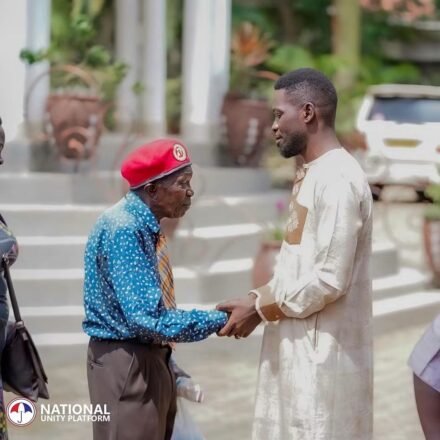
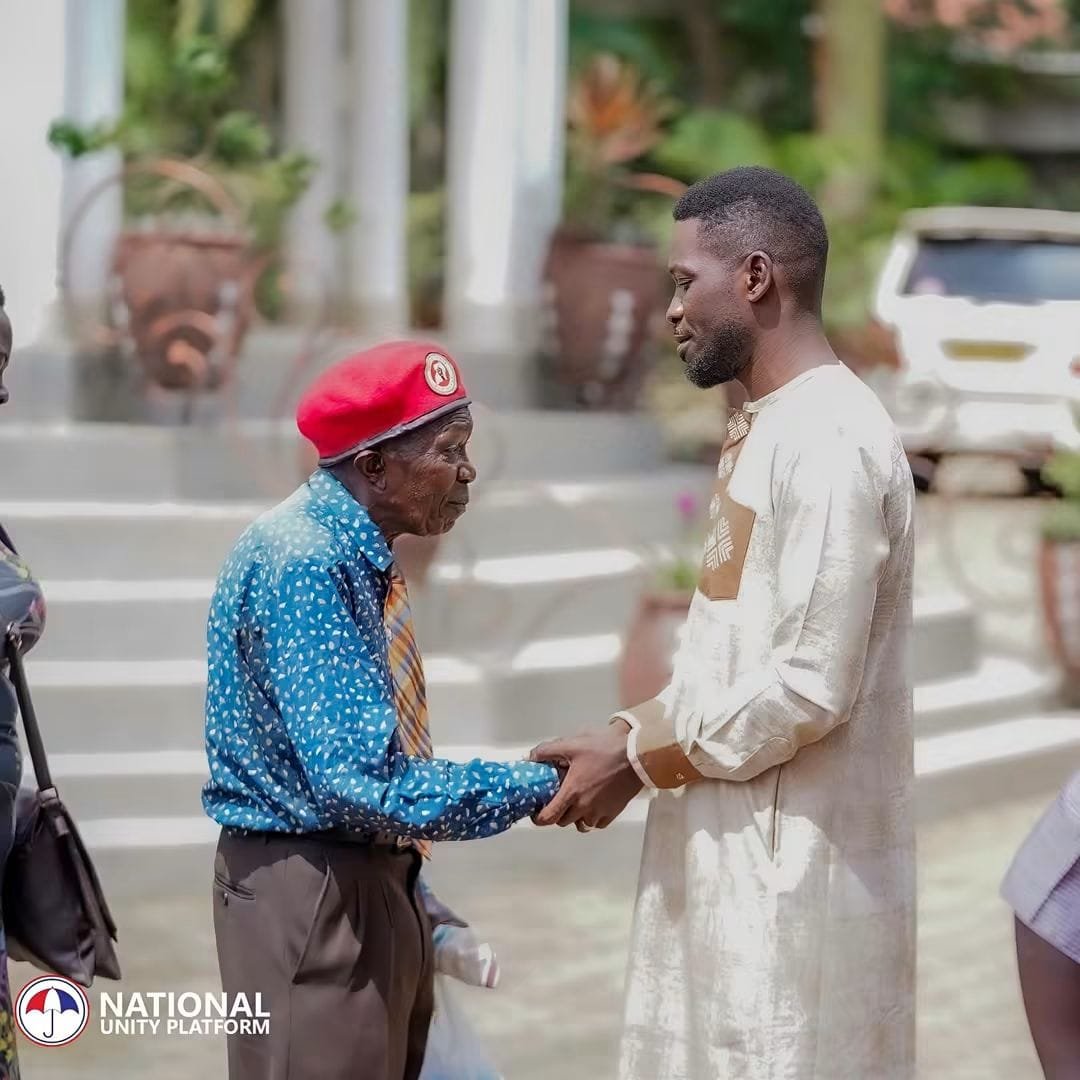
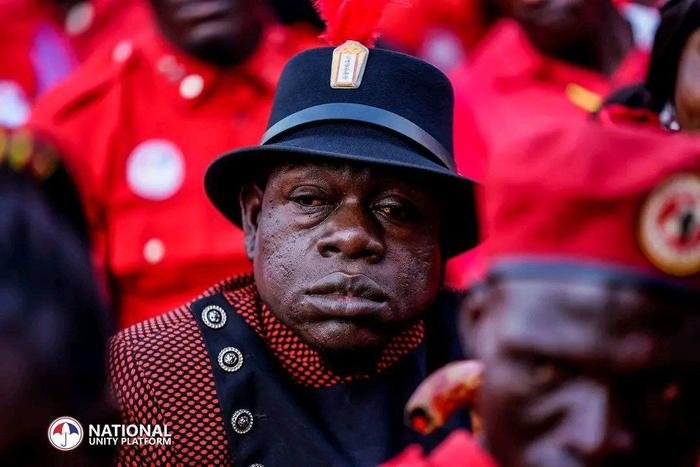
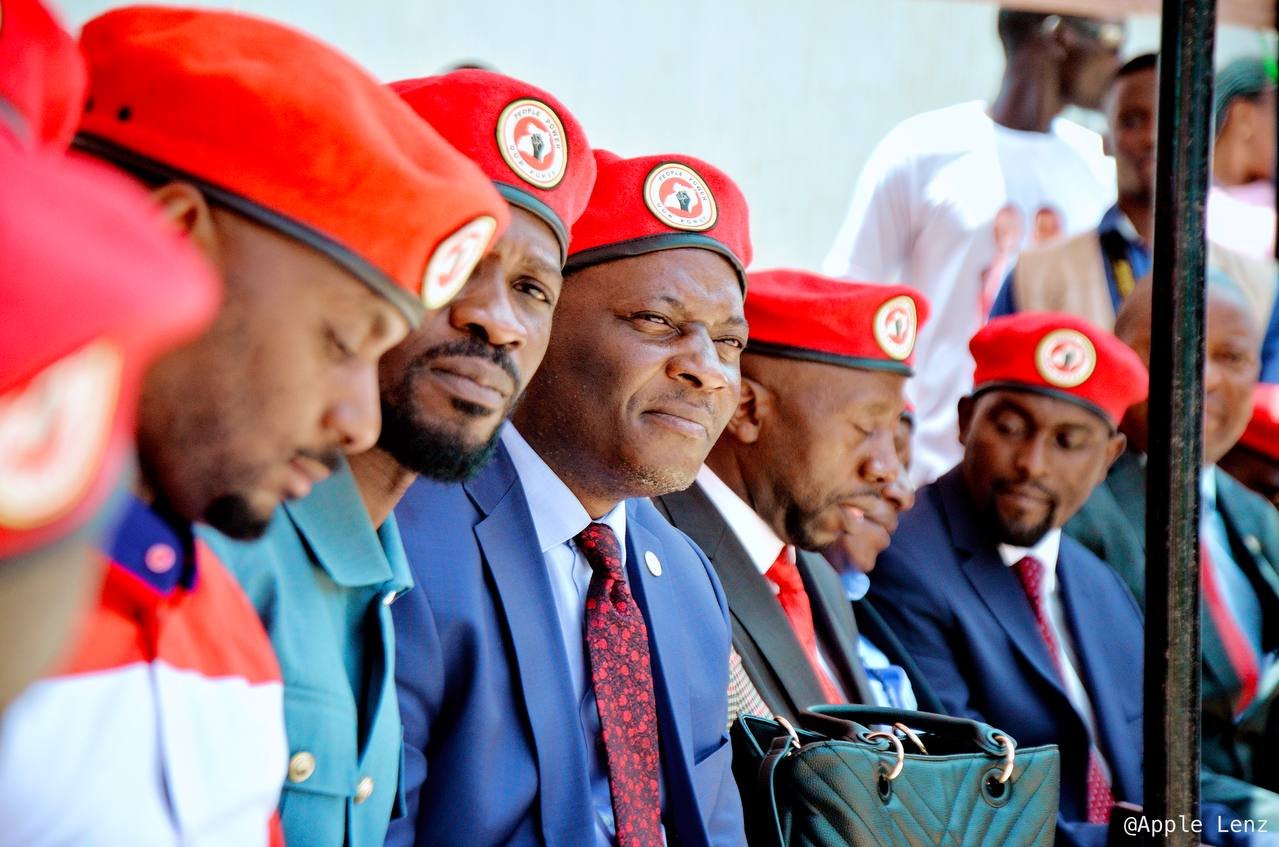
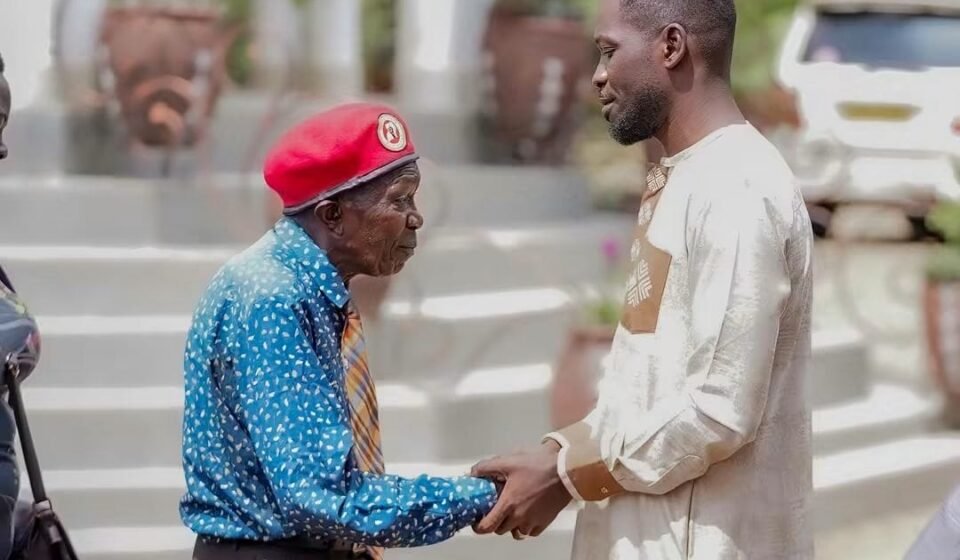
Uganda’s struggle for political change has often been told through the voices of its young activists, opposition leaders and grassroots mobilisers. Yet, within that struggle are individuals whose commitment transcends age, political generations and personal circumstances. One such figure was Mzee Saava George, the elderly comrade whose wooden walking cane, patterned blue shirt, striped tie and unmistakable red beret became familiar sights at National Unity Platform (NUP) gatherings.
His passing on October 26, 2026, marked the departure of a man whose political significance was not defined by an elected position, political office or access to power, but by his visible commitment to a movement advocating democratic change in Uganda.
To those who encountered him at political gatherings, Mzee Saava was more than an elderly supporter. He represented a generation that had witnessed Uganda’s political evolution, experienced its historical contradictions and, in the later years of life, continued to identify with calls for democratic accountability, constitutionalism and better governance.
His story deserves to be remembered not merely as another obituary in Uganda’s politically charged environment, but as a reflection of the sacrifices, convictions and human relationships that sustain a political movement.
A DIFFERENT GENERATION IN THE PEOPLE POWER STRUGGLE
The emergence of the People Power movement and its eventual transformation into the National Unity Platform brought a new generation of Ugandans into organised opposition politics. Much of the movement’s public identity was built around young people demanding political accountability, respect for human rights, constitutionalism and an alternative national leadership.
However, the movement also recognised the importance of bringing older generations into the conversation, not merely as supporters but as individuals whose experiences and historical perspectives could help shape the thinking of younger Ugandans.
It was within this broader effort that Mzee Saava George was recruited by Chairman Nyanzi, alongside other elderly comrades, including Nalusiiba Winniefred, through one of the National Unity Platform’s elderly forums.
The initiative represented an important effort to bridge the generational divide by creating space for older Ugandans to participate in the movement and contribute to educating, guiding and inspiring the upcoming generation.
Mzee Saava’s participation therefore carried a meaning beyond his personal political loyalty. He was part of a wider vision in which the experiences of elderly citizens could become a source of historical understanding, guidance and inspiration for younger comrades.
This initiative deserves recognition because political movements are not sustained by youthful energy alone. They also require the wisdom, historical experiences and perspectives of those who have lived through different chapters of the country’s political journey.
At an age when many people would ordinarily have withdrawn from demanding public activities, Mzee Saava continued appearing at political gatherings, visibly identifying himself with the red beret movement.
His physical condition made his participation particularly striking. Walking with the support of a wooden cane, he nevertheless maintained a public presence that communicated something beyond political enthusiasm.
For younger comrades, his participation carried an important message: the demand for political change was not simply a generational rebellion against the establishment. It was also an expression of convictions shared by Ugandans whose lives had been shaped by several decades of the country’s political history.
Together with other elderly comrades, he helped demonstrate that the struggle for a better Uganda required the wisdom of the old as much as the energy of the young.
He reminded those around him that the desire for a better Uganda is not determined by how young or old a citizen is, but by how deeply that citizen believes in the possibility of change.
BEYOND THE RED BERET: A PERSONAL BOND WITH THE MOVEMENT
Political movements are often judged by their leadership structures, electoral performance, public statements and ability to mobilise supporters. Yet their deeper character is also reflected in the relationships they establish with ordinary citizens.
Mzee Saava’s relationship with the movement’s leadership appeared to extend beyond the ordinary interaction between a political leader and a supporter.
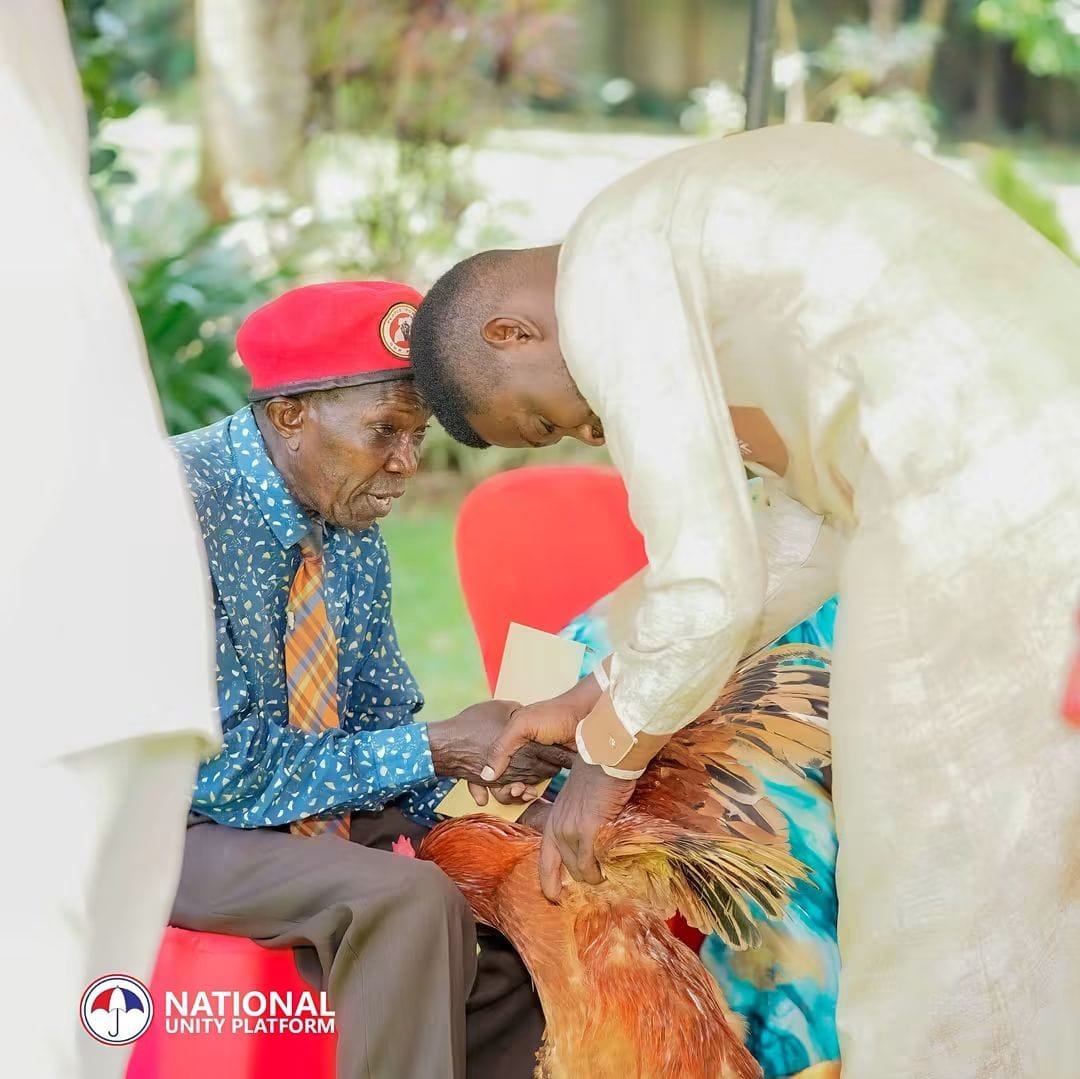
One particularly memorable moment captured the elderly activist presenting a live rooster to NUP President Robert Kyagulanyi Ssentamu, popularly known as Bobi Wine.
In Ugandan cultural settings, particularly within Buganda, presenting a rooster can carry traditional meanings associated with honour, respect, hospitality and goodwill. The gesture, accompanied by Bobi Wine’s respectful reception of the elder, illustrated a personal connection that went beyond the usual formalities of political gatherings.
It was a moment that captured something important about the movement: beneath the political slogans, public demonstrations and demands for national transformation were human relationships built on respect, trust and shared aspirations.
For Mzee Saava, the red beret was therefore more than an item of clothing. It had become a visible expression of his political identity, solidarity and belief in the possibility of a different national future.
His loyalty was not measured by the number of speeches he delivered or the political positions he occupied. It was reflected in his continued presence, his association with fellow comrades and the conviction with which he identified with the cause.
ILLNESS, SOLIDARITY AND THE BOND BETWEEN COMRADES
As the years advanced, Mzee Saava’s health reportedly deteriorated, eventually limiting his ability to participate in public political activities.
His prolonged illness brought another dimension of his relationship with the movement into public view.
NUP Secretary General David Lewis Rubongoya was among the party leaders who maintained contact with him and visited him during his illness.
This aspect of his story deserves particular attention.
Political movements frequently celebrate their supporters during rallies, demonstrations and electoral campaigns. However, the true measure of solidarity is often revealed when those supporters become vulnerable, unable to participate and no longer able to contribute visibly to the movement’s activities.
The attention given to Mzee Saava during his illness demonstrated the importance of maintaining the human bonds that develop within a political struggle.
It also offered an opportunity to reflect on the responsibility political movements have towards the ordinary people who stand behind them.
Those who have spent years supporting a cause should never become invisible simply because age, illness or circumstances have taken them away from the front lines.
Mzee Saava’s experience reminds us that comradeship should not be defined by physical presence at rallies alone. It should also be reflected in compassion, remembrance and the willingness to stand with one another during difficult moments.
His story raises a broader question about the place of elderly citizens in Uganda’s political and democratic movements.
Beyond their participation in campaigns, older citizens possess historical experiences, institutional memories and perspectives that younger generations may not have encountered directly.
Their inclusion in national conversations about governance and political reform should therefore be recognised as an important part of democratic participation.
THE FINAL JOURNEY: KASAWO LAYS AN ELDER TO REST
Mzee Saava George passed away on October 26, 2026, following a prolonged period of illness.
News of his death prompted messages of condolence from opposition leaders, party supporters and members of the wider political community.
Bobi Wine publicly mourned him, describing him as an elderly comrade and friend who had remained committed to the struggle for democracy and good governance.
In his tribute, the opposition leader invoked the familiar biblical imagery of finishing the race and keeping the faith, reflecting the consistency with which Mzee Saava had maintained his political convictions.
On October 27, 2026, family members, community residents and political representatives gathered in Kasawo, Mukono District, for his burial.
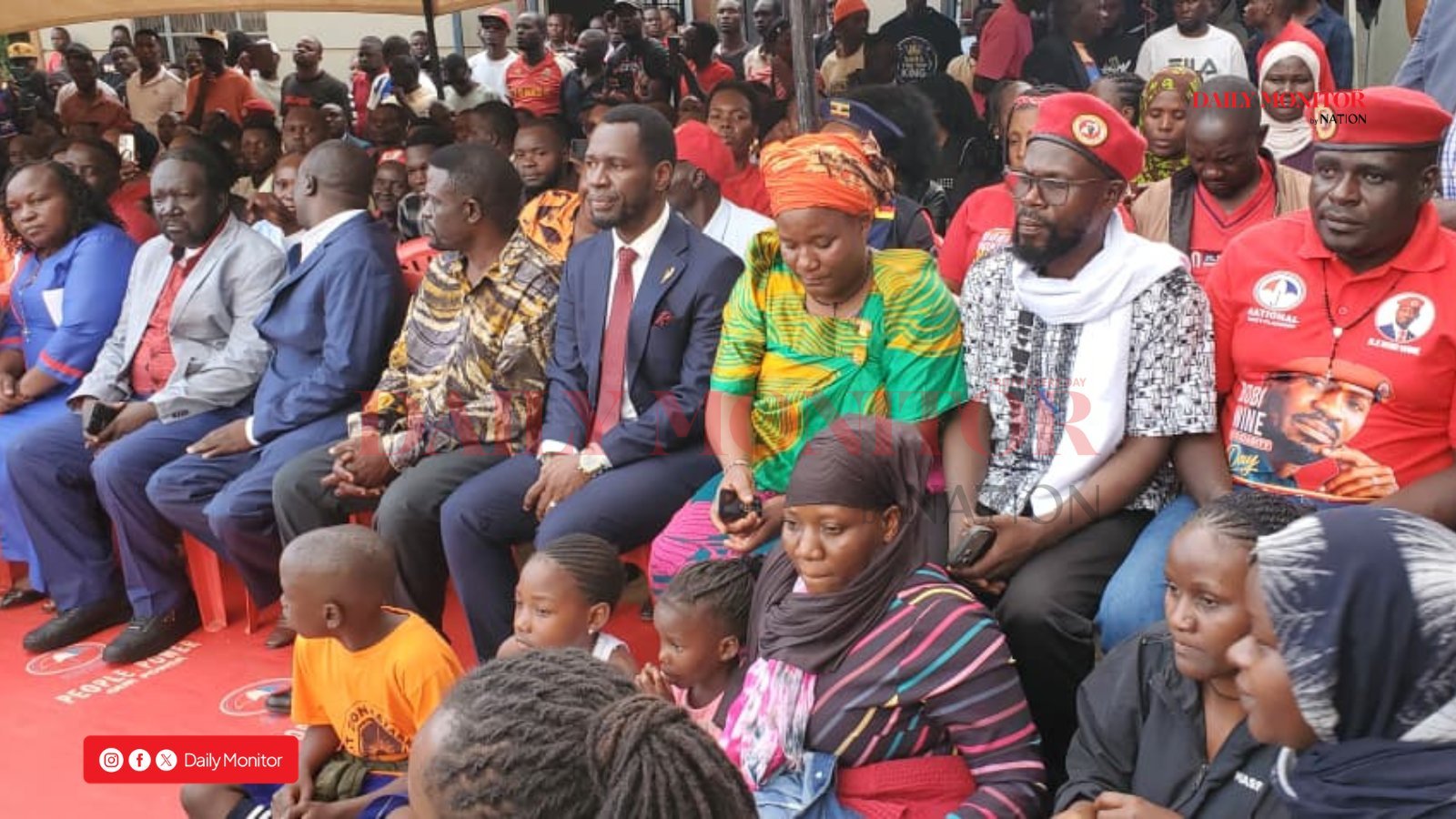
The funeral was attended by party officials led by NUP Secretary General David Lewis Rubongoya, alongside local political leaders, including Hon. Kawalya Abubaker.
The gathering marked the end of Mzee Saava’s physical journey, but it also provided an opportunity for those who knew him and those who admired his commitment to reflect on the significance of his contribution.
His burial was not simply the farewell of an elderly political supporter. It was a moment to recognise an ordinary Ugandan whose commitment had earned him a special place in the public memory of a movement.
For his fellow comrades, the loss was deeply personal. The familiar face that had stood among them, leaning on a wooden cane and wearing the red beret with pride, would no longer be seen at their gatherings.
Yet, the values associated with his presence remain worthy of remembrance.
THE GREATER MEANING OF HIS LEGACY
The passing of Mzee Saava George presents an important opportunity to reflect on an often-overlooked aspect of Uganda’s political journey: the contribution of ordinary citizens whose commitment sustains movements for generations.
Political movements are not built by prominent leaders alone. They are also shaped by elderly supporters, young volunteers, grassroots mobilisers, community organisers and ordinary citizens who give their time, resources and personal commitment to causes they believe in.
Some eventually become prominent national figures. Others remain known mainly within their communities and among fellow supporters.
Mzee Saava belonged to the latter category, but his visibility and dedication gave his story a significance that extended beyond his immediate surroundings.
His involvement in the elderly forum, alongside comrades such as Nalusiiba Winniefred, also highlights the importance of initiatives that bring generations together. The recruitment effort associated with Chairman Nyanzi was part of a broader recognition that the experiences of older citizens could help shape the political consciousness of those coming after them.
That contribution should not be overlooked. A movement that values its elders preserves more than individual memories; it preserves lessons, experiences and a sense of continuity.
His life also invites an important reflection on whether Uganda’s political organisations have sustainable structures for recognising and supporting elderly comrades, activists facing prolonged illness and families left behind by individuals who devoted years to political causes.
Public tributes are meaningful, but recognition should not begin and end with funeral ceremonies.
The spirit of solidarity demonstrated during moments of mourning should continue through lasting practices that protect the dignity and welfare of ordinary members.
This is not a challenge for one political organisation alone. It is a broader responsibility for Uganda’s political culture.
A movement’s strength is not measured exclusively by the size of its crowds, the popularity of its leadership or its performance during electoral seasons. It is also reflected in how it remembers, values and stands with the people who have walked alongside it.
Mzee Saava’s story is a reminder that every comrade matters, regardless of age, financial circumstances or political prominence.
AN ELDER WHO REFUSED TO BE DEFINED BY AGE
There is something particularly powerful about the image of an elderly man leaning on a wooden cane, wearing a red beret and standing among young Ugandans demanding political change.
It is an image that communicates determination without requiring elaborate political speeches.
Mzee Saava George may not have held a prominent national political office, commanded a political institution or occupied the centre of Uganda’s public debate. Nevertheless, his visible participation gave him a distinct place in the story of the People Power movement and the National Unity Platform.
His legacy lies in the example of intergenerational solidarity, personal conviction and the belief that the responsibility to advocate for a better country does not expire with age.
Uganda’s political history will continue to be written through the actions of its leaders, institutions and citizens. But within that history, there must also be room for the ordinary men and women whose commitment gives political movements their human character.
Mzee Saava George was one of those individuals.
Long after the rallies have ended, the songs have faded and political seasons have changed, the memory of those who stood with conviction will remain.
His red beret may have been laid to rest with him, but the spirit of solidarity, courage and hope it represented must live on.
He leaves behind a reminder that the struggle for democracy is not owned by one generation, one political office or one individual. It is a continuing national responsibility, sustained by the courage and commitment of ordinary Ugandans.
Rest in peace, Mzee Saava George. Your place in the story of the struggle for a better Uganda will not be forgotten.