














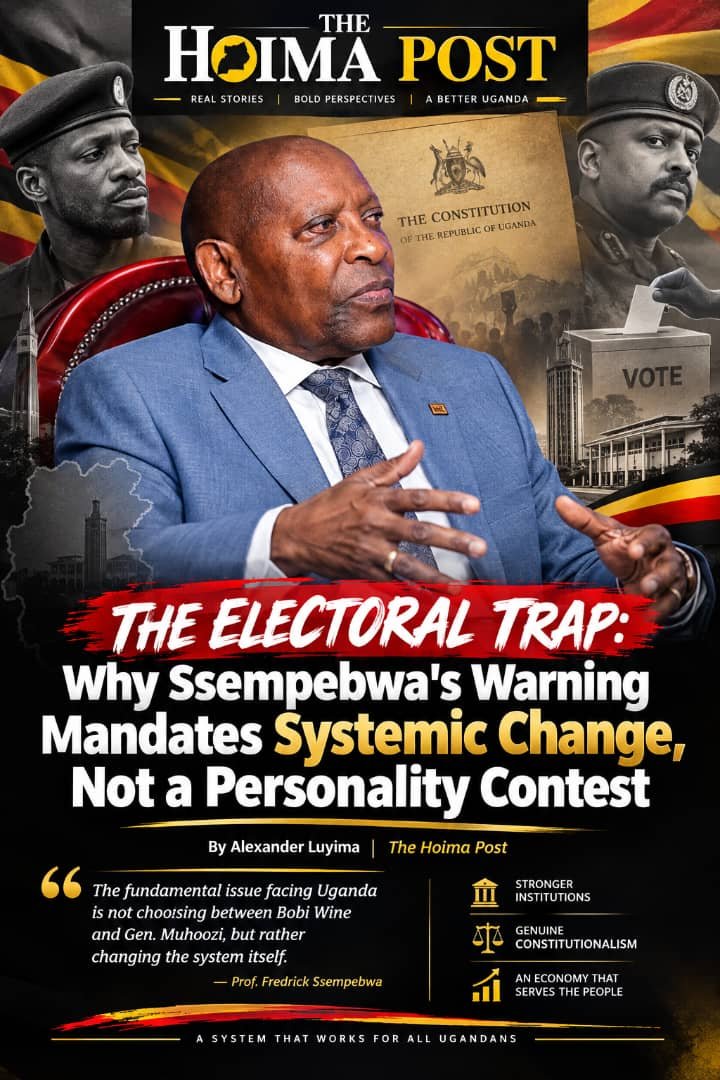





By Alexander Luyima
The Hoima Post
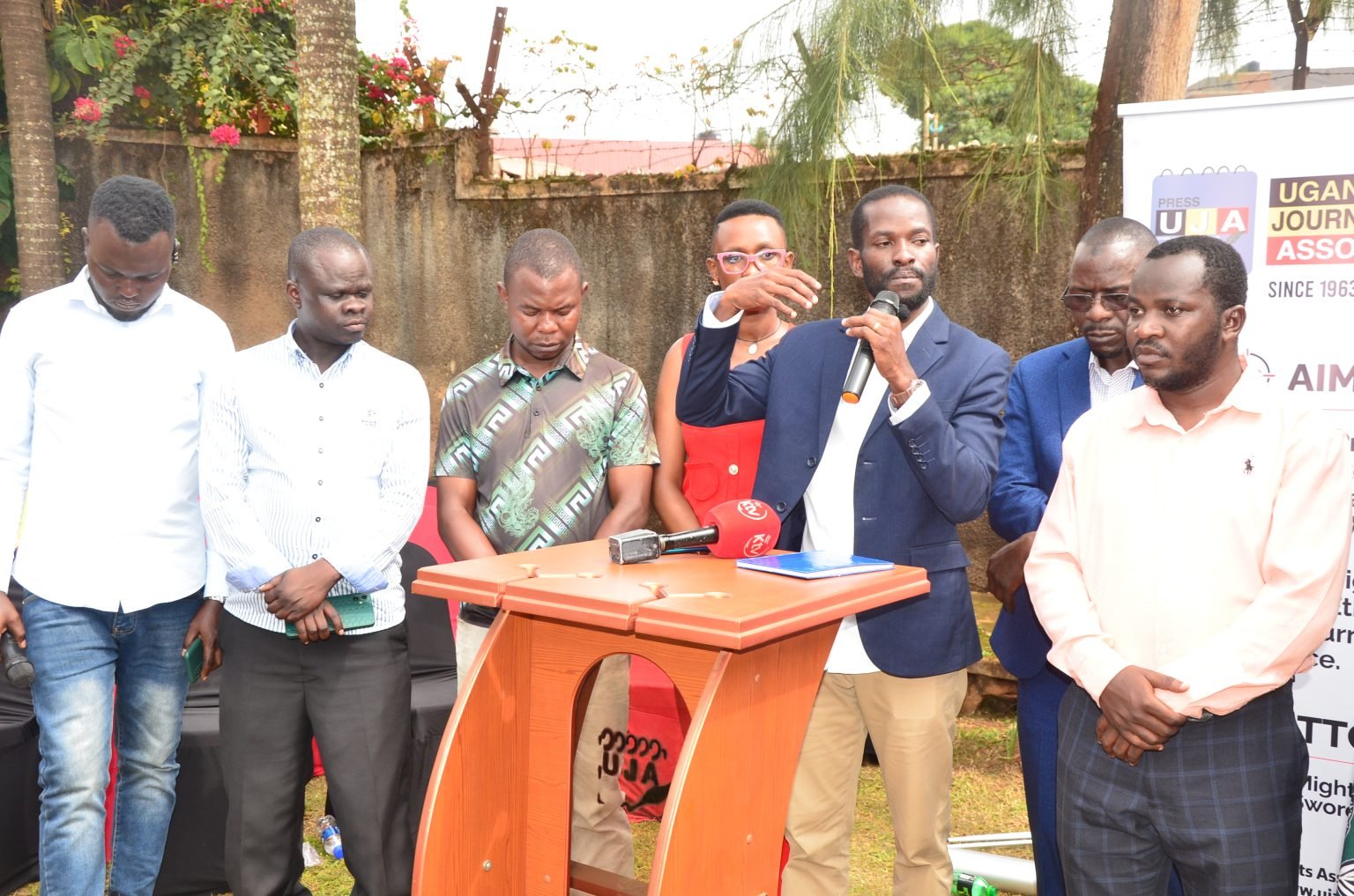
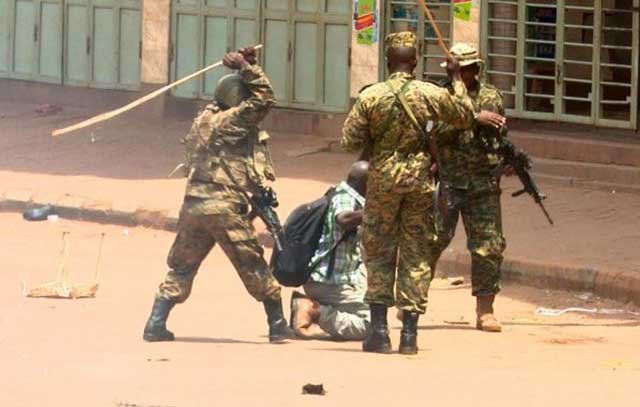
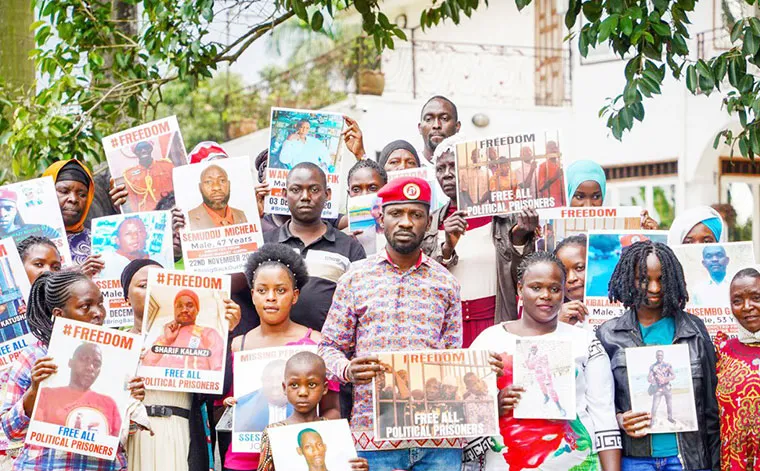
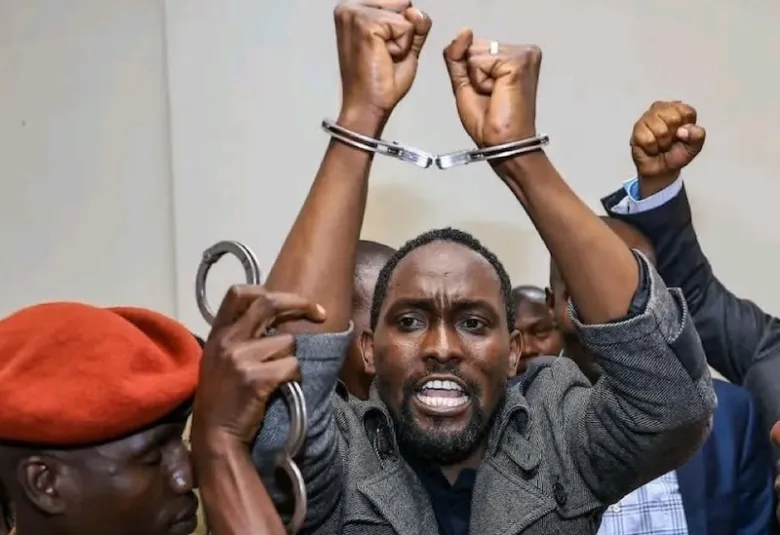
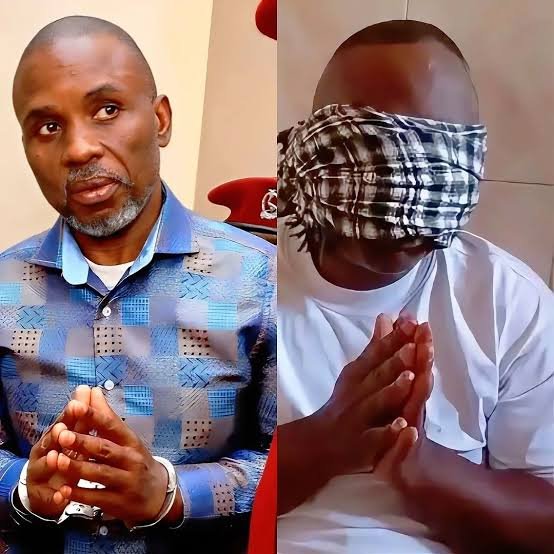
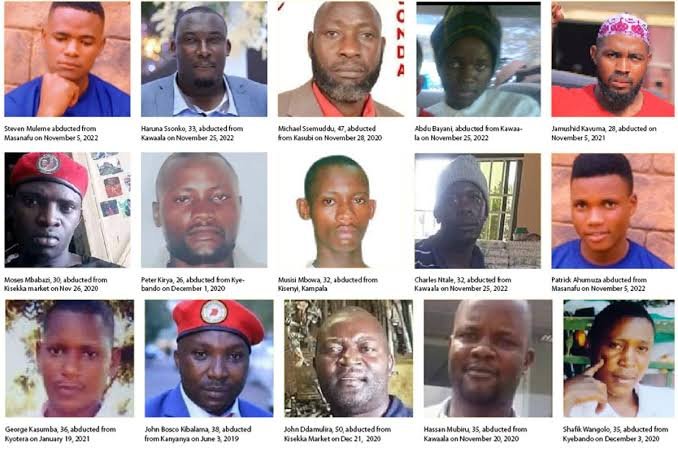
To investigate the inner workings of power in Uganda today is to look directly into a machinery designed to silence dissent. For journalists, human rights advocates, and whistleblowers, mapping the intersections of state-backed investments and institutional collapse is no longer just a professional challenge; it is a life-threatening gamble. Those who dare to ask where public resources are flowing face an enforcement apparatus that relies on intimidation, arbitrary detentions, and torture to protect the interests of a highly consolidated ruling elite.
The Collapse of the Judicial Shield
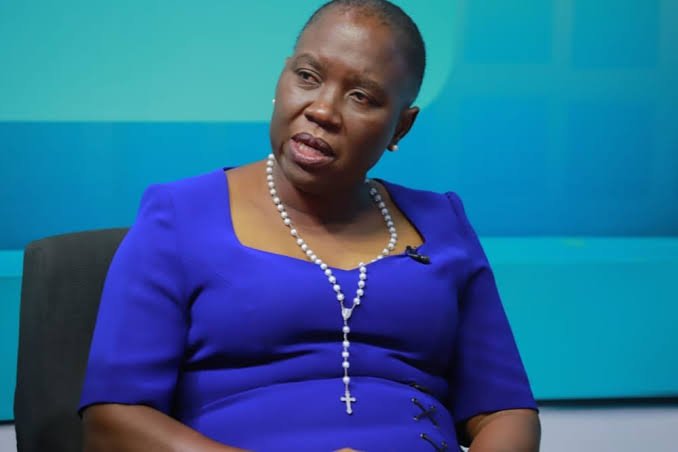
At the core of Uganda’s current crisis is the systematic erosion of its legal guardrails. A nation’s courts are supposed to serve as the ultimate neutral arbiters—a shield for the vulnerable against the excesses of executive overreach. Instead, the judiciary has become increasingly compromised by a web of political patronage and familial networks that run deep through the country’s superior courts.
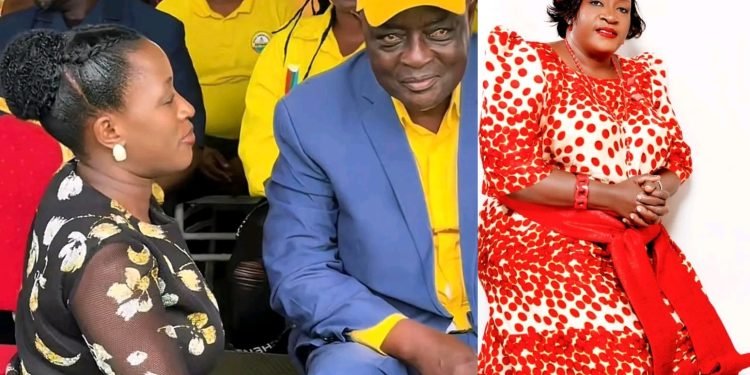
When the highest echelons of judicial leadership share immediate household or social ties with active judges, the foundational principles of judicial neutrality and conflict-of-interest management are fractured. For ordinary citizens and legal professionals alike, this institutional entanglement creates a profound crisis of faith. Rulings on high-stakes political trials, land grabs, and multi-billion-shilling commercial disputes are increasingly viewed not as outcomes of blind justice, but as calculations of survival and privilege.
This decay has become so pronounced that even the legal fraternity is in open rebellion. The Uganda Law Society’s recent directive urging lawyers to abandon archaic colonial honorifics and postures of submission before politically compromised benches is a striking symptom of a deeper truth: the formal pillars of the state are no longer functional.
The Dynamics of a Military-Backed Transition
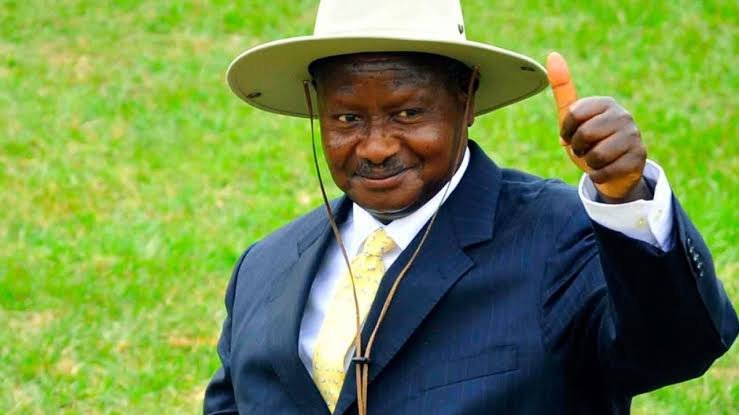
This deliberate weakening of accountability mechanisms serves a specific political trajectory. As the formal structures of Parliament, the Judiciary, and the Executive lose their independent mandates, the real centre of gravity has shifted to a carefully orchestrated, military-backed succession plan.
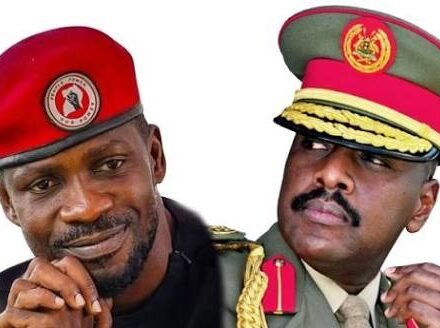
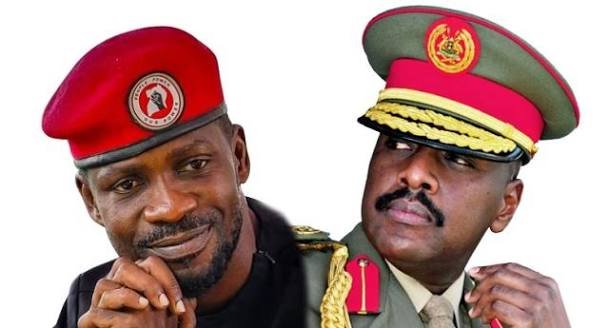
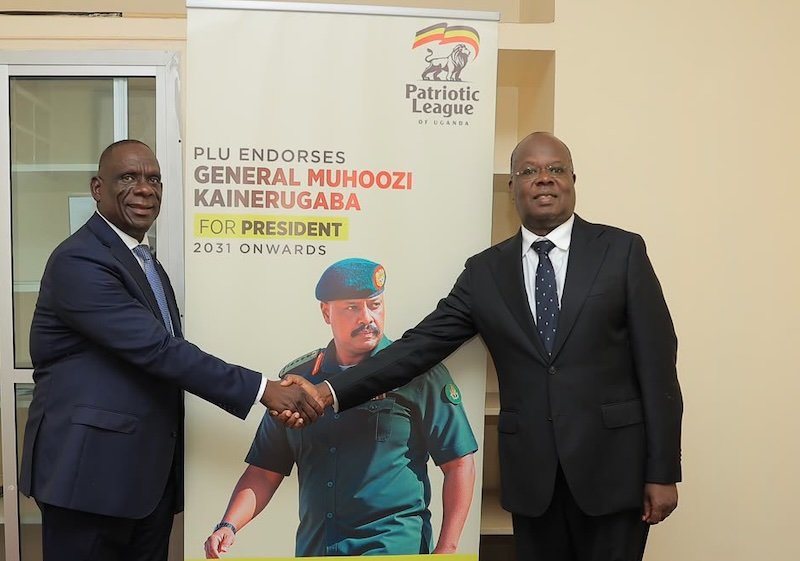
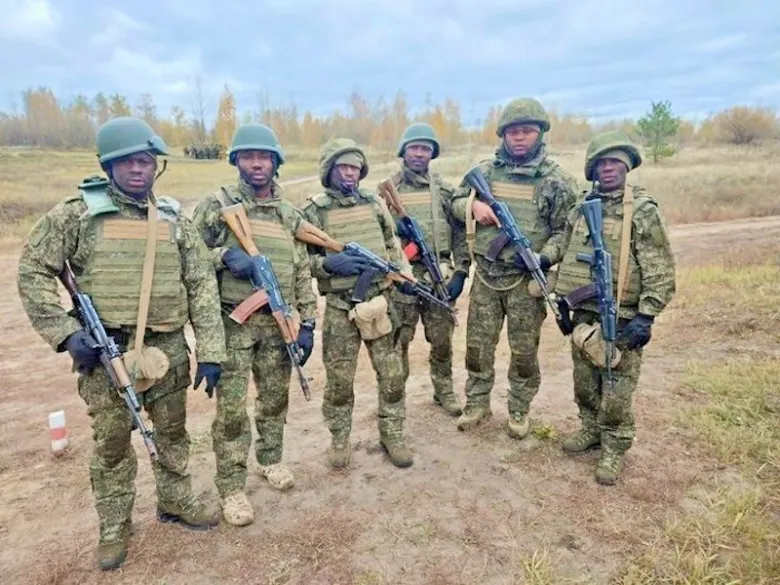
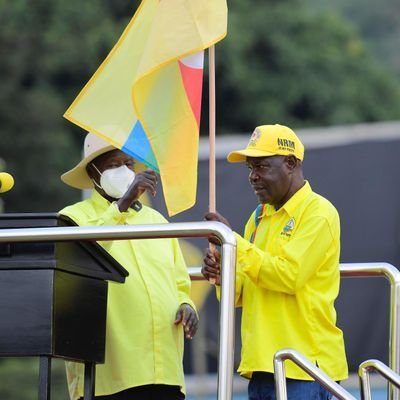
The rapid institutionalization of movements like the Patriotic League of Uganda (PLU), led by General Muhoozi Kainerugaba, represents the consolidation of a dynastic transition. Public declarations from security leaders asserting that the military will dictate the nature of the executive branch post-Museveni reveal that Uganda is steering away from civilian constitutionalism toward an overt, hybrid military-dynastic regime.
To protect this transition, the state has increasingly bypassed the civilian courts entirely. Dissidents, members of the political opposition, and citizen activists are routinely routed into military tribunals, where constitutional protections, access to bail, and civilian oversight are effectively non-existent.
The Hidden Backbones Holding the Nation Together
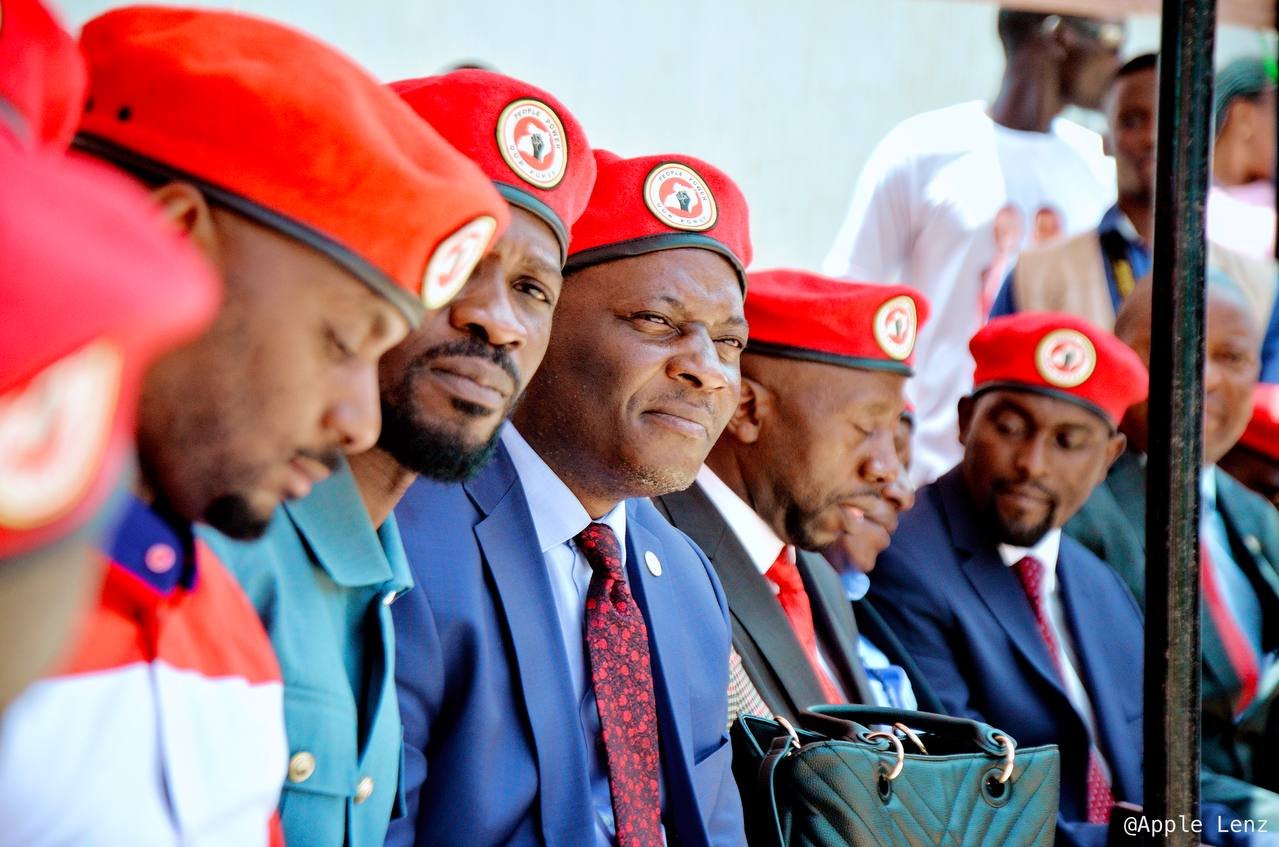
With the traditional arms of government gridlocked by corruption and succession manoeuvring, the survival of the country has been outsourced to non-state actors. It is the independent journalists, grassroots whistleblowers, and resilient legal watchdogs who now carry the burden of oversight.
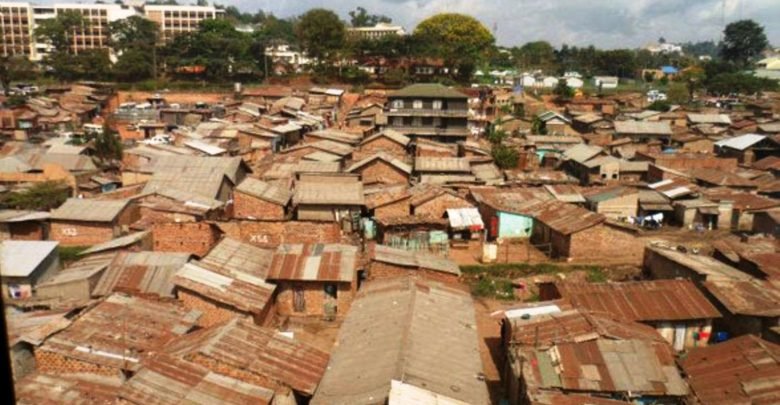
Organizations like the Anti Corruption Coalition Uganda (ACCU) and local human rights defence networks continue to document abuses and track embezzled public resources despite the constant threat of state surveillance and criminalization. Simultaneously, community-led welfare circles and localized philanthropy have stepped in to fund basic health, education, and emergency services that the official national budget—bloated by political patronage—has long since abandoned.
Conclusion: A Choice of Trajectories
Uganda stands at a definitive historical crossroads. The current framework of governance, sustained by the suppression of civic space and the capture of legal institutions, is approaching a volatile breaking point. The central tension defining the near future is whether a state can successfully execute a top-down dynastic transition while completely ignoring the social, economic, and legal aspirations of its population.
For those writing from the frontlines, the task remains clear: to continue documenting the truth, preserving the social fabric, and demanding institutional accountability, even when the cost of doing so is staggeringly high