








By Alexander Luyima (GDipICL) | Human Rights Activist | The Hoima Post
Uganda has earned international recognition for maintaining an open-door refugee policy, welcoming people fleeing wars, persecution and instability across its borders. It is a humanitarian commitment that deserves recognition. People escaping conflict should not be denied dignity, safety or the opportunity to rebuild their lives simply because they were born in another country.
However, beneath this international humanitarian reputation lies a difficult question that Uganda’s leadership must be prepared to answer: Who is protecting the ordinary Ugandan whose rights, economic security and dignity are also supposed to be guaranteed by the same government?
When Deputy Speaker Thomas Tayebwa appealed to European Union parliamentarians on 21 September 2026 to increase financial support for Uganda’s refugee response, he highlighted a serious funding crisis. Uganda’s 2026 refugee response plan requires approximately US$850 million, with only 12 per cent reportedly secured at the time of his appeal.
The appeal was justified by the enormous humanitarian responsibility Uganda carries. According to UNHCR, the country hosted approximately 1,999,576 refugees and asylum-seekers as of 31 March 2026, making it Africa’s largest refugee-hosting country.
But while international attention focuses on Uganda’s ability to accommodate displaced populations, the economic and social circumstances of Ugandans themselves deserve equally serious examination.
THE ORDINARY UGANDAN IS ALSO A HUMAN BEING DESERVING PROTECTION
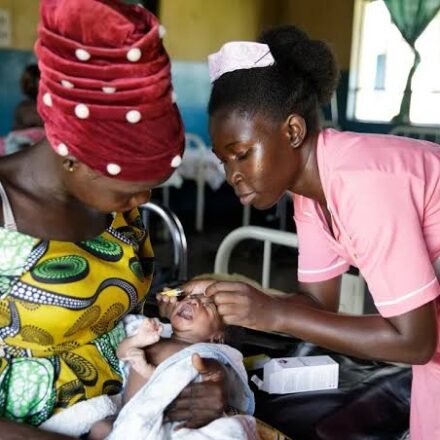
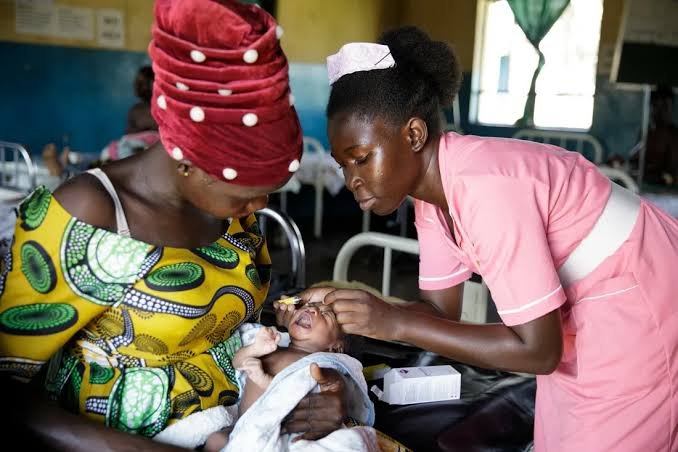
Across Uganda, families are struggling with the cost of living, unemployment, limited access to quality healthcare, inadequate educational infrastructure and the daily challenge of making ends meet.
In rural communities, families struggle to access reliable medical services. Young people graduate without meaningful employment opportunities. Parents struggle to meet school requirements, while small businesses operate under difficult economic conditions.
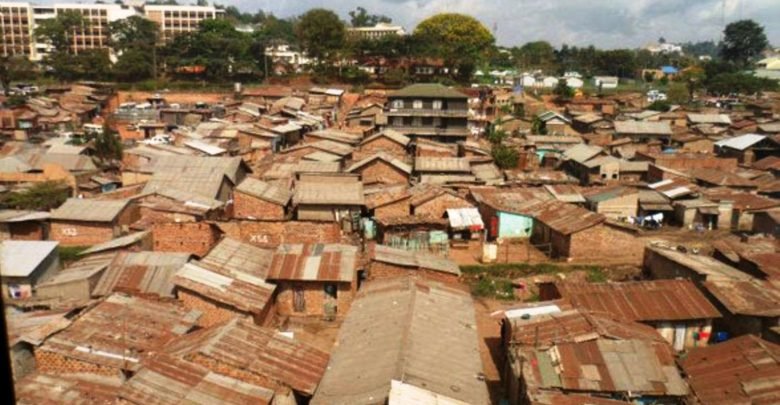
In refugee-hosting districts, the pressure on public infrastructure deserves particular attention. Communities sharing health facilities, schools, water sources, roads and other essential services with growing populations need adequate investment.
UNHCR’s own 2026 country strategy acknowledges that health and education services in refugee-hosting areas remain heavily dependent on external financing. It also identifies understaffing, medicine shortages and inadequate resources as continuing challenges.
This is an important admission.
The question is not whether refugees deserve assistance. They do. The question is why communities expected to demonstrate extraordinary hospitality are not receiving sufficient and sustainable investment to support that responsibility.
A Ugandan mother struggling to access a public hospital should not have to accept inadequate healthcare simply because the country has international humanitarian obligations.
A child in a refugee-hosting district should not be denied a decent education because the government and its international partners have failed to plan adequately for population growth.
The protection of refugees and the protection of Ugandan citizens must advance together.
THE HUMAN RIGHTS CONTRADICTION THAT DESERVES INTERNATIONAL ATTENTION
Perhaps the most uncomfortable aspect of this debate is Uganda’s domestic human-rights record.
The same government that presents Uganda internationally as a safe haven for vulnerable populations must also answer questions about allegations of violations committed against people within its own territory.
On 30 July 2026, the United Nations High Commissioner for Human Rights, Volker Türk, expressed concern about what he described as a crackdown on dissent and the erosion of the rule of law in Uganda.
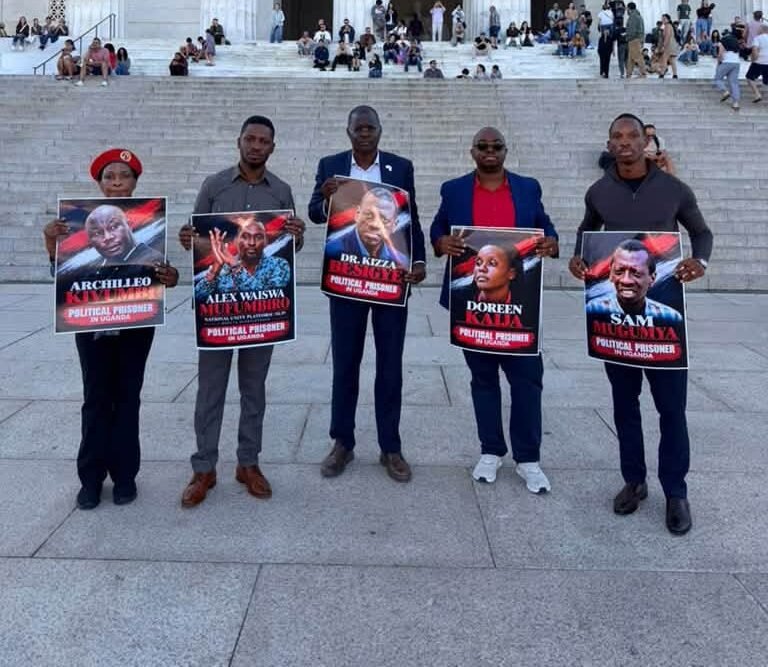
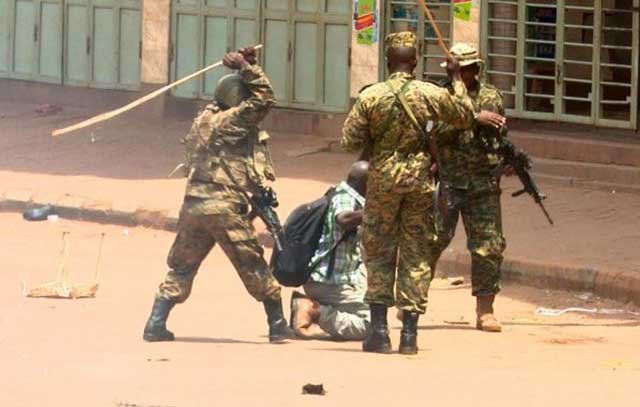
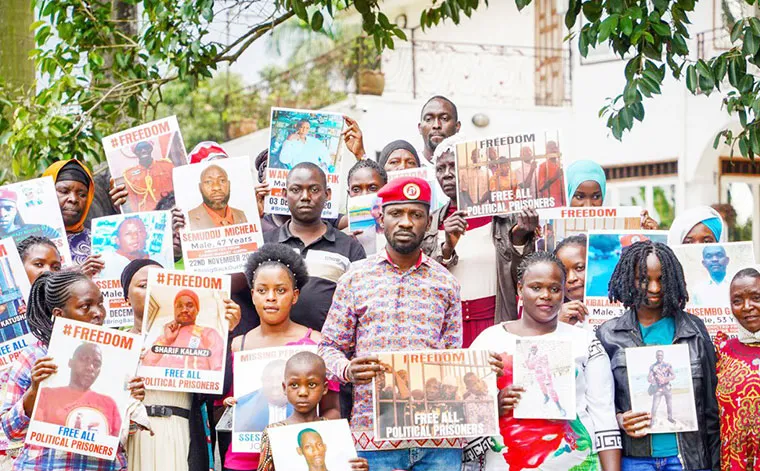
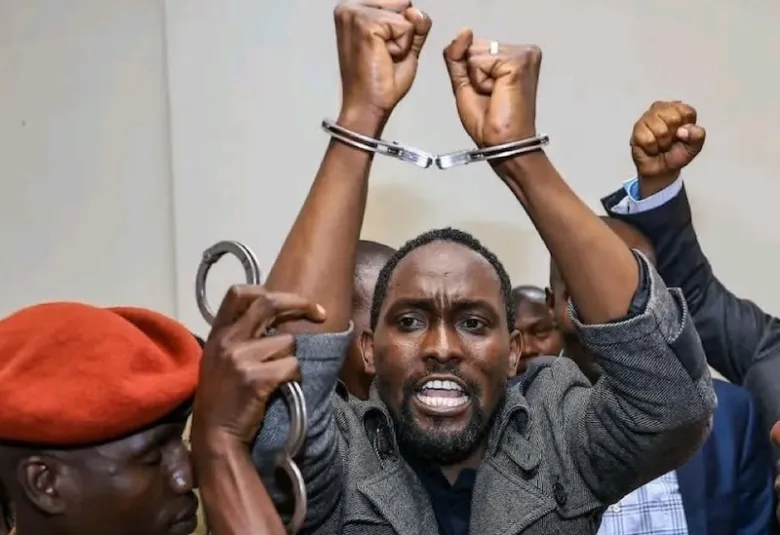
According to the UN Human Rights Office, since the January 2026 general elections, at least 50 opposition leaders and supporters, five human-rights defenders and five journalists had reportedly been subjected to human-rights violations. The reported abuses included enforced disappearances, torture, ill-treatment and arbitrary arrests or detention.
Amnesty International also raised serious concerns on 30 April 2026, reporting that it had received information indicating that security forces likely killed at least 16 people during the period between 15 and 18 January 2026. It documented cases of arbitrary arrests, alleged torture and incommunicado detention involving opposition supporters.
These are serious allegations requiring independent investigation, transparent proceedings and accountability where wrongdoing is established.
They cannot simply disappear from international conversations because Uganda is also performing an important humanitarian role.
There is a fundamental distinction between a government’s international humanitarian commitments and its domestic human-rights obligations. One does not cancel the other.
A government cannot measure its respect for human dignity exclusively by how it treats people crossing its borders. It must also demonstrate that dignity through the treatment of its own population.
WHERE IS THE ACCOUNTABILITY FOR HUMANITARIAN MONEY?
Deputy Speaker Tayebwa’s appeal to European parliamentarians raises another important question.
Uganda’s refugee response requires approximately US$850 million. But who receives this money, how is it distributed, and what measurable improvements does it produce?
The international community, humanitarian agencies, implementing organisations and the Ugandan government must be prepared to answer these questions.
It is necessary to distinguish between money pledged, money actually received, money allocated and money spent.
It is equally important to establish how much investment reaches refugee-hosting communities, how much supports refugee protection, how much strengthens public infrastructure and how much is spent on administration and coordination.
There is no justification for assuming that humanitarian organisations are misusing funds without evidence. Equally, there is no justification for treating humanitarian expenditure as beyond public scrutiny.
Ugandans deserve transparent reporting.
Parliament should be able to explain the government’s contribution to refugee management, the funding received from international partners and the tangible benefits delivered to affected communities.
International partners should also publish accessible accounts of their contributions and programme results.
Humanitarian assistance must produce measurable outcomes, not merely impressive announcements.
WHO PAYS THE PRICE WHEN INTERNATIONAL PARTNERS FAIL TO DELIVER?
Uganda’s refugee-hosting policy is based on international solidarity and responsibility-sharing.
That principle is important because a developing country should not be expected to shoulder an international humanitarian responsibility without adequate assistance.
When funding declines, the consequences are experienced by refugees and host communities alike.
Refugees face food insecurity, inadequate shelter and reduced access to healthcare. Host communities experience pressure on already limited infrastructure and services.
A June 2026 report by Refugees International, titled From Promise to Practice: Delivering on Uganda’s Refugee Model, documented the consequences of humanitarian funding reductions, including food ration cuts, health-centre closures and declining livelihood support.
This demonstrates that the funding crisis is not merely an accounting issue. It has direct consequences for human lives.
However, international partners must also recognise that Uganda’s domestic development challenges cannot be separated from the sustainability of its refugee-hosting arrangements.
If international institutions celebrate Uganda’s humanitarian model, they must also finance it adequately.
And if the Ugandan government welcomes international assistance, it must demonstrate that the money is used transparently and that Ugandan communities are not left behind.
THE QUESTIONS PARLIAMENT MUST ANSWER
This investigation raises several questions that deserve formal answers from the Ugandan government and Parliament:
1. What is the Ugandan government’s annual financial contribution towards refugee management, separate from international donor contributions?
2. How much international humanitarian funding has Uganda actually received in 2026, and how much has been spent?
3. What proportion of refugee-response investment directly benefits host communities through schools, hospitals, water infrastructure, roads and employment programmes?
4. What independent auditing mechanisms exist to establish whether humanitarian resources are reaching their intended beneficiaries?
5. What measures are being taken to improve healthcare, education and economic opportunities for Ugandans living in refugee-hosting districts?
6. How does the government reconcile its international commitment to protecting vulnerable populations with the human-rights concerns raised by the United Nations and international human-rights organisations?
7. What accountability measures are being taken when security personnel are implicated in arbitrary detention, torture, enforced disappearance or unlawful killings?
These are not questions against refugees. They are questions about governance, public expenditure, constitutional responsibility and the protection of human dignity.
HUMAN RIGHTS SHOULD NOT HAVE NATIONALITY
Uganda’s refugee-hosting policy should not become a political shield against legitimate scrutiny of its domestic record.
A refugee fleeing persecution deserves protection. A Ugandan citizen subjected to unlawful detention deserves justice. A journalist assaulted while performing professional duties deserves protection. A family struggling to access healthcare deserves attention. A young person whose rights have been violated deserves an effective remedy.
Their nationalities may differ, but their human dignity does not.
Uganda’s international humanitarian reputation and its domestic human-rights responsibilities must be assessed independently.
It is possible to commend Uganda’s hospitality towards refugees while demanding accountability for alleged violations against Ugandans. It is possible to defend refugee rights while questioning government spending priorities. It is possible to demand more international funding while insisting that public resources be managed transparently.
These positions are not contradictory. They are consistent with the principle that every human being deserves dignity and protection.
THE FINAL QUESTION: WHO IS LOOKING AFTER THE UGANDAN?
When Uganda’s Deputy Speaker stands before European parliamentarians asking the international community to rescue the country’s refugee-hosting framework, the appeal should not end with a discussion about money.
It should open a broader conversation about the responsibilities of government to everyone living within Uganda’s borders.
Who is rescuing the struggling Ugandan household?
Who is ensuring that the child in an underfunded public school receives a decent education?
Who is protecting the citizen who alleges torture or unlawful detention?
Who is demanding justice for families whose loved ones have disappeared?
Who is ensuring that taxpayers receive meaningful public services?
And who is ensuring that the international humanitarian recognition Uganda receives translates into sustainable development for the communities carrying this responsibility?
The answer cannot simply be another international conference, another funding appeal or another statement celebrating Uganda’s generosity.
Ugandans deserve measurable improvements in their lives, transparent public expenditure, functioning institutions and a government that respects the rights of every person.
A country can open its doors to the world without closing its eyes to the suffering of its own people.
Refugees deserve protection. Ugandans deserve protection. Both deserve dignity, justice and accountability.
That is the standard against which Uganda’s humanitarian reputation and its governance should be examined.
—
INTERNATIONAL INSTITUTIONS, DONORS AND HUMAN RIGHTS ORGANISATIONS: THIS INVESTIGATION INVITES YOUR RESPONSE
This article is an open invitation to the institutions financing Uganda’s refugee response, the organisations monitoring human rights and the international partners engaging with the Ugandan government.
REFUGEE RESPONSE FUNDERS AND HUMANITARIAN PARTNERS
The following institutions and organisations are relevant to Uganda’s refugee-response financing, humanitarian operations or development partnerships:
International donors and governments
– European Union – European Commission
– European Civil Protection and Humanitarian Aid Operations (ECHO)
– United States Government
– United States Department of State
– Government of Japan
– Government of Canada
– Government of Germany
– Government of the Netherlands
– Government of the United Kingdom
– Government of Ireland
– Government of Switzerland
– Government of Denmark
– Government of the Republic of Korea
United Nations and humanitarian agencies
– United Nations High Commissioner for Refugees (UNHCR)
– World Food Programme (WFP)
– United Nations Children’s Fund (UNICEF)
– International Organization for Migration (IOM)
– World Health Organization (WHO)
– Food and Agriculture Organization (FAO)
– International Labour Organization (ILO)
– United Nations Office for the Coordination of Humanitarian Affairs (OCHA)
– Central Emergency Response Fund (CERF)
Humanitarian and implementing organisations
– International Rescue Committee (IRC)
– Norwegian Refugee Council (NRC)
– Danish Refugee Council (DRC)
– Save the Children
– Medical Teams International
– International Federation of Red Cross and Red Crescent Societies (IFRC)
– Uganda Red Cross Society
– CARE International
– Oxfam
– Plan International
– Action Against Hunger
– Caritas
– Malteser International
– Lutheran World Federation
– Finn Church Aid
– War Child
– International Medical Corps
– Education Cannot Wait
INTERNATIONAL HUMAN RIGHTS AND ACCOUNTABILITY ORGANISATIONS
The following organisations are invited to examine the issues raised, engage with Ugandan civil society and consider the protection of citizens whose rights have reportedly been violated:
– Office of the United Nations High Commissioner for Human Rights (OHCHR)
– United Nations Human Rights Council
– Amnesty International
– Human Rights Watch
– International Federation for Human Rights (FIDH)
– Front Line Defenders
– CIVICUS
– Committee to Protect Journalists (CPJ)
– Article 19
– International Commission of Jurists (ICJ)
– Robert F. Kennedy Human Rights
– Freedom House
– International Service for Human Rights (ISHR)
– Reporters Without Borders (RSF)
UGANDAN HUMAN RIGHTS AND CIVIL SOCIETY ORGANISATIONS
The voices and work of organisations operating directly within Uganda are particularly important:
– Foundation for Human Rights Initiative (FHRI)
– Chapter Four Uganda
– Human Rights Network for Journalists-Uganda (HRNJ-U)
– National Coalition of Human Rights Defenders Uganda (NCHRD-U)
– Human Rights Awareness and Promotion Forum (HRAPF)
– Human Rights Network Uganda (HURINET-U)
– Defenders Protection Initiative (DPI)
– Uganda Law Society
– Legal Aid Service Providers Network (LASPNET)
– Uganda Human Rights Commission (UHRC)
A DIRECT APPEAL
To the international donors: Your contributions should be accompanied by transparent reporting and measurable benefits for refugees and host communities.
To the United Nations and international human-rights institutions: The protection of refugees and the protection of Ugandans must both remain on your agenda.
To human-rights defenders and civil-society organisations: Continue documenting violations, supporting survivors and demanding accountability through lawful and independent mechanisms.
To the Government of Uganda: International humanitarian recognition must go hand in hand with respect for constitutional rights, accountability and the welfare of citizens.
We invite the above institutions to read, engage with and respond to the questions raised in this investigation. The ordinary Ugandan deserves to be heard.
Alexander Luyima (GDipICL) | Human Rights Activist | The Hoima Post