








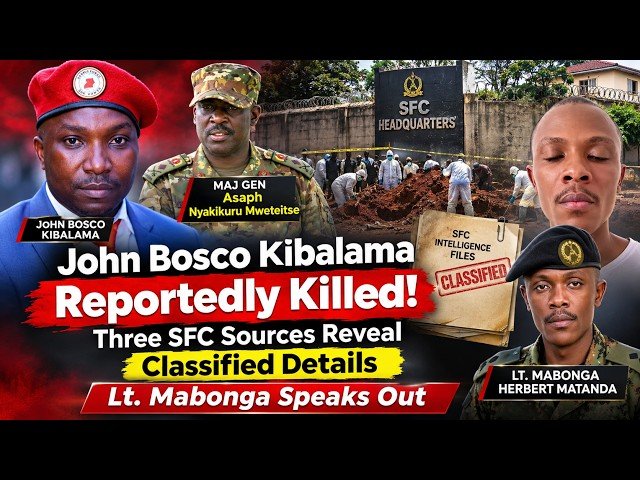
Ex-SFC Operative Details Abduction, Torture, and Secret Burial of John Bosco Kibalama

By Alexander Luyima | The Hoima Post
Kampala | October 31, 2026
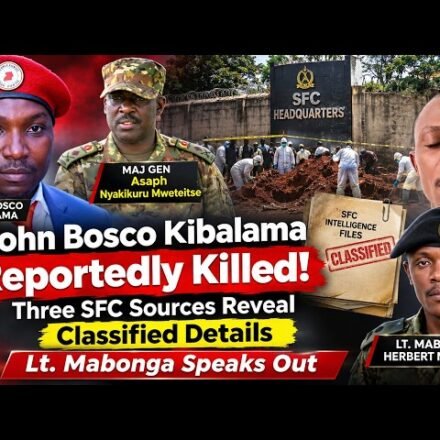
A chilling and unprecedented video leak from an alleged defector within the highest echelons of Uganda’s security apparatus has reignited one of the country’s most disturbing human rights controversies: the disappearance of National Unity Platform (NUP) opposition mobilizer John Bosco Kibalama.
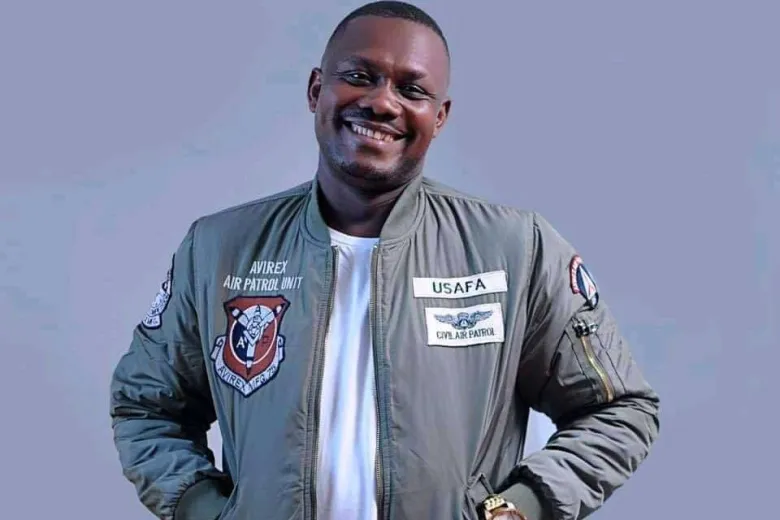
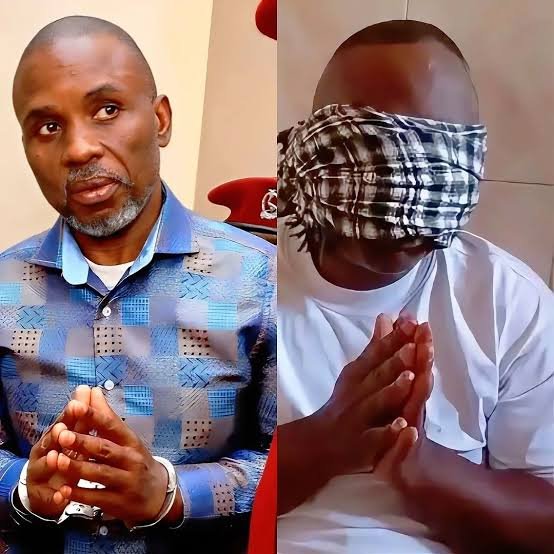
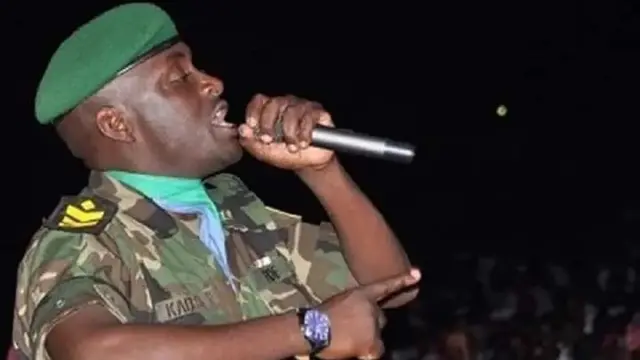
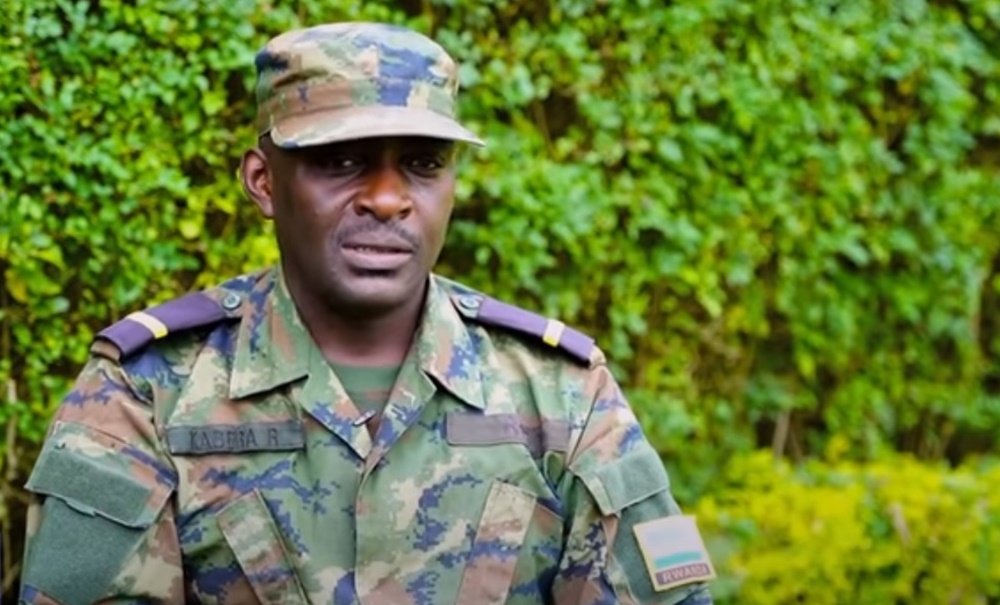
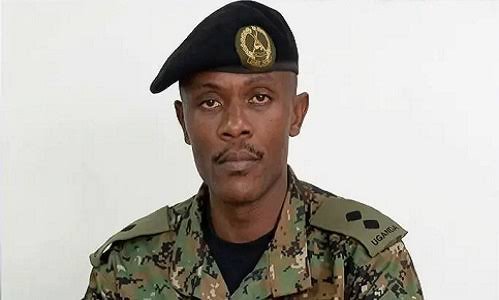
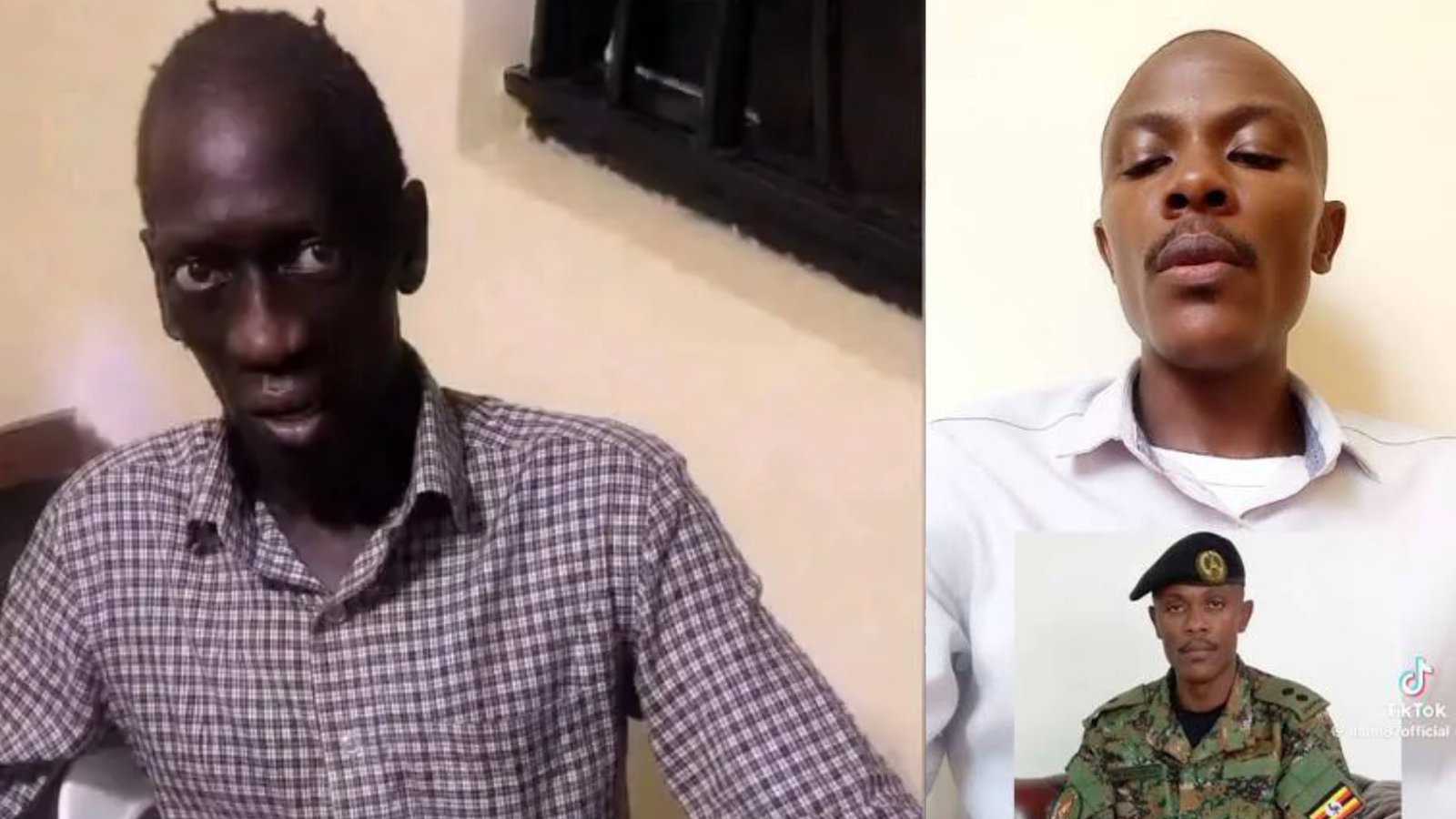
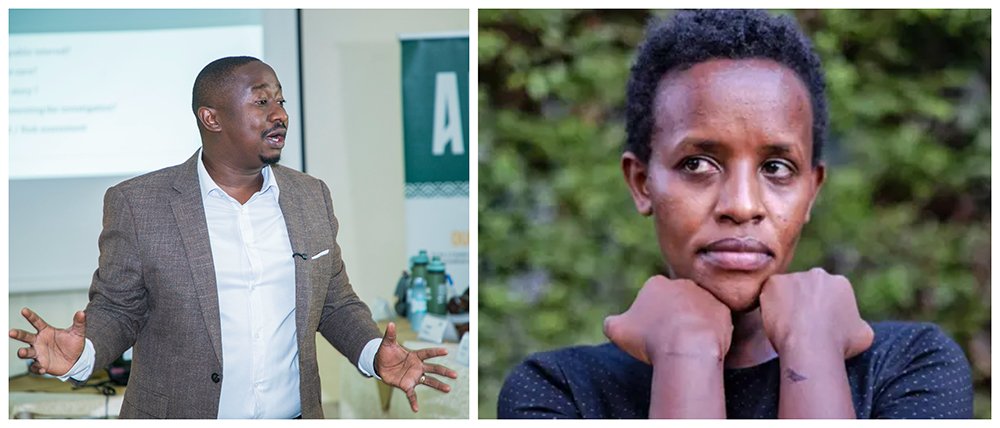
In explosive testimony circulating publicly, Lt. Mabonga Herbert Matanda, described as a former operative within the elite Special Forces Command (SFC), has come forward with direct insider allegations. He identifies command structures, alleged safe houses and senior military officials whom he accuses of involvement in the abduction, torture and extrajudicial execution of Kibalama.
If independently substantiated, these allegations could represent a grave indictment of Uganda’s security establishment and raise serious questions about accountability at the highest levels of government.
THE SMOKING GUN: SFC COMMANDOS, NOT POLICE
For years, Kibalama’s family has endured uncertainty, unanswered questions and conflicting accounts concerning his whereabouts. Government officials have faced persistent demands to explain what happened to him, while human rights advocates have continued pressing for accountability.
Lt. Mabonga’s testimony introduces a particularly disturbing allegation: that Kibalama was not abducted by ordinary police officers or intelligence operatives, but by members of the Special Forces Command.
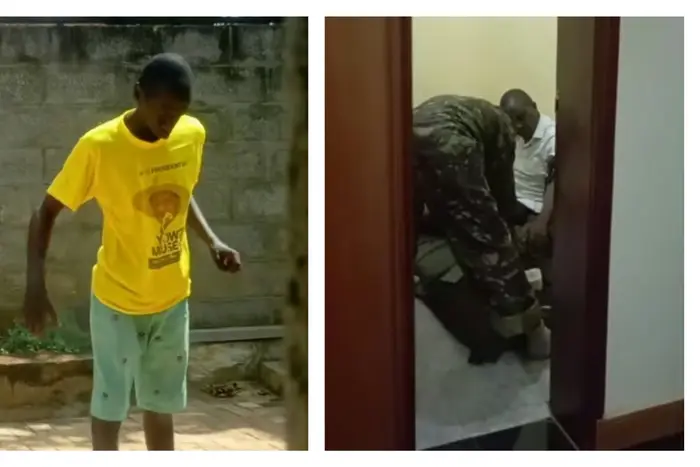
“John Bosco Kibalama was abducted in 2019 by SFC Commandos,” Lt. Mabonga reportedly states in the leaked footage. “Not police, not CMI, but by SFC, the Special Forces Command, the allied force that protects the president.”
According to the whistleblower, the operation took place on June 3, 2019. He specifically names Major General Asaph Nyakikuru Mweteitse, identified in the testimony as the then-commanding officer of the SFC commando unit, as the senior officer who allegedly authorised the operation.
These are grave allegations. The individuals named must be afforded an opportunity to respond, while the evidence should be subjected to independent investigation.
THE TRAIL OF TORTURE: FROM KASENYI TO THE ALLEGED MASS GRAVE
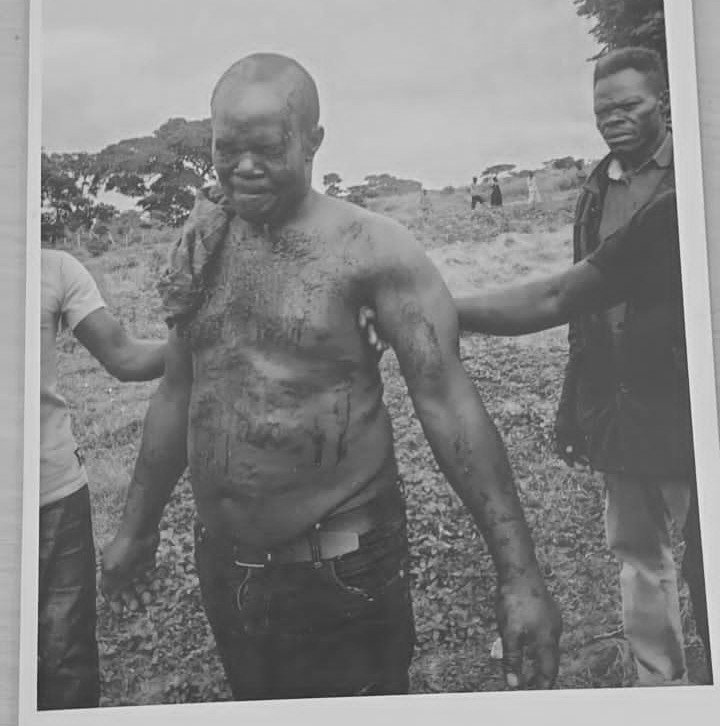
The leaked testimony describes what Lt. Mabonga portrays as a network of unacknowledged detention facilities through which Kibalama was allegedly moved following his disappearance.
Among the locations identified is Kasenyi, a heavily fortified military installation that the whistleblower claims was part of the network used to hold and interrogate detainees.
Lt. Mabonga reportedly compares Kibalama’s treatment to that of Samuel Masereka and other individuals associated with allegations of state torture.
The most disturbing part of his account concerns Kibalama’s alleged death.
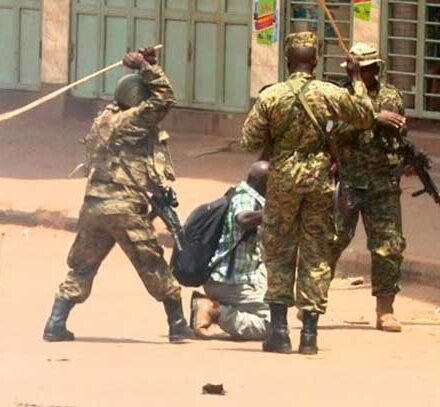
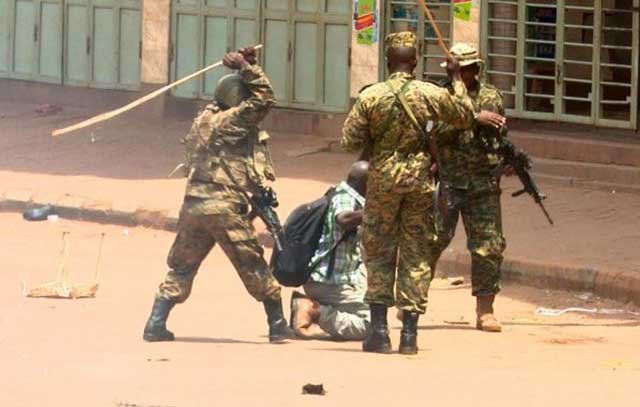
The whistleblower claims that the violence inflicted during interrogation eventually placed those responsible in a difficult position, leading to a decision to eliminate Kibalama and conceal the evidence of his alleged torture.
He further alleges that Kibalama was executed by gunshot and that his remains were disposed of in an unmarked mass grave near SFC headquarters in Entebbe.
If confirmed, these claims would demand an urgent, independent forensic investigation, including efforts to establish Kibalama’s whereabouts, identify any possible burial site and determine the fate of his remains.
A missing person cannot simply disappear from the national conscience because the institutions responsible for finding answers remain silent.
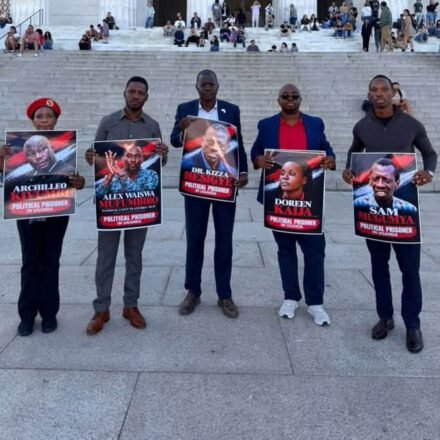
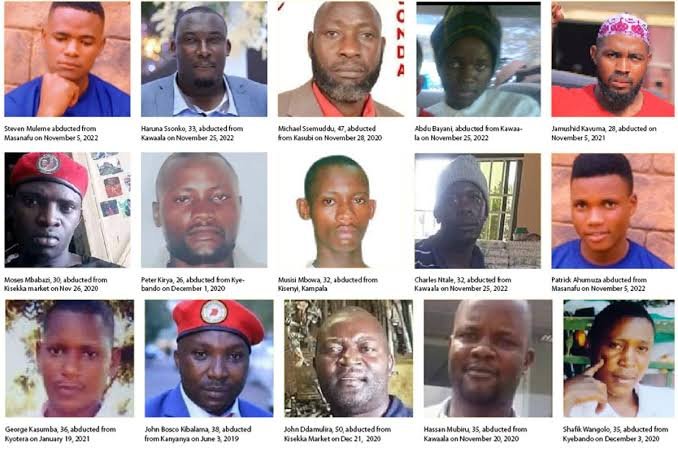
THE SILENT 11: ELEVEN FAMILIES, YEARS OF QUESTIONS
The revelations have reignited anger among human rights defenders and opposition supporters, particularly within the National Unity Platform.
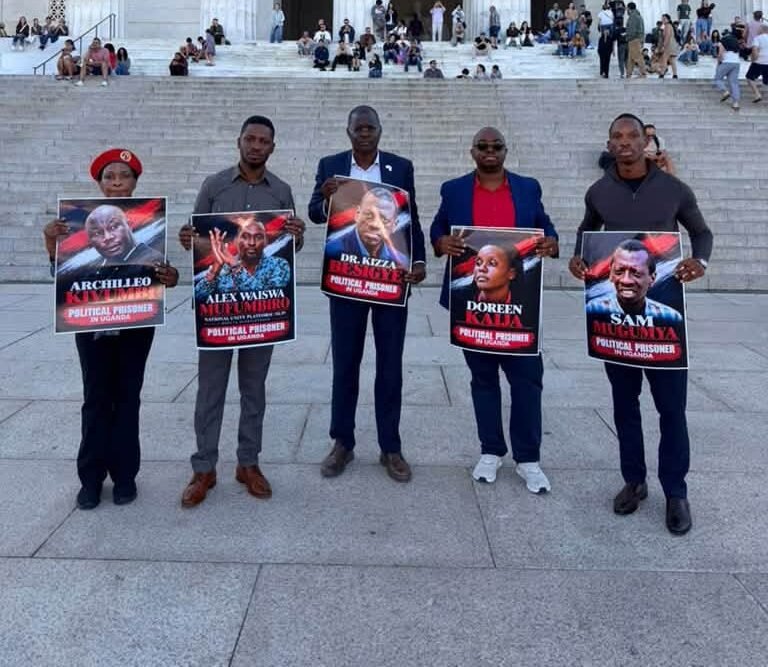
Kibalama remains a central figure in the broader campaign for answers concerning eleven opposition activists whose disappearances have left families struggling for information and justice.
The list of missing citizens includes:
1. John Bosco Kibalama
2. Itungo Bwanika
3. Shafik Wangolo
4. Martin Lukwago
5. Peter Chagn
6. Emmanuel Kafuuma
7. Muhammad Kanatta
8. Jane Nsubuga
9. Michael Mubiru
10. Dennis Kisekka
11. Abdu Karim Mutemba
Behind every name is a family entitled to answers.
Behind every disappearance is a question that the authorities have a responsibility to address.
The passage of time does not extinguish that responsibility. Nor should the political identity of a missing person determine whether their life deserves protection or their family deserves justice.
WHY IS THE WORLD SILENT?
The timing of Lt. Mabonga’s revelations, reportedly supported and facilitated by exiled award-winning author Kakwenza Rukirabashaija, raises uncomfortable questions about the international community’s response to alleged human rights violations in Uganda.
Western governments frequently demonstrate their ability to respond decisively when strategic interests, international security or economic priorities are threatened.
Yet when allegations of enforced disappearances, torture and extrajudicial killings emerge, the response often appears trapped in diplomatic caution and bureaucratic language.
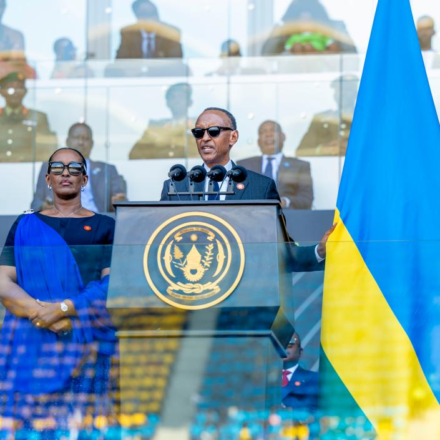
For decades, the Museveni administration has positioned Uganda as an important Western security partner in the Horn of Africa, particularly through its military contribution to operations in Somalia.
This relationship raises a difficult question: how much accountability is sacrificed when strategic military cooperation becomes more important than the protection of fundamental human rights?
The families of missing Ugandans should not have to compete with geopolitical interests to have their suffering acknowledged.
International partnerships must not become shields against accountability. Counterterrorism cooperation cannot excuse human rights violations, and regional security contributions cannot erase the obligation to investigate allegations of state abuse.
The lives of ordinary Ugandans deserve the same international attention as the strategic interests of powerful governments.
THE BREAKING POINT: WHEN MISSING PERSONS BECOME A QUESTION OF JUSTICE
With the emergence of Lt. Mabonga’s testimony, the debate surrounding Kibalama’s disappearance has entered a potentially consequential new phase.
What was previously discussed largely through unanswered questions and conflicting accounts is now accompanied by specific allegations concerning individuals, military structures, detention locations and the circumstances of an alleged execution.
Human rights activists and opposition supporters are reportedly looking towards international accountability mechanisms, including the International Criminal Court and targeted sanctions frameworks such as the Global Magnitsky programme.
However, allegations alone are not convictions. The leaked testimony must be independently authenticated, the named individuals given an opportunity to respond, and any credible evidence preserved for impartial investigation.
The International Criminal Court’s involvement would also depend on its jurisdiction and the applicable legal requirements.
Uganda’s authorities must answer fundamental questions: Where is John Bosco Kibalama? What happened to him after June 3, 2019? Was he ever held in military custody? What records exist concerning his detention or transfer? And what steps have been taken to establish his fate?
These are not unreasonable political demands. They are questions of human dignity, the rule of law and the fundamental right to life.
The families of the missing deserve more than silence. They deserve truth, accountability and justice.
The world must not wait for another generation of Ugandans to inherit unanswered questions about those who disappeared before them.
The Hoima Post will continue to follow this developing story and examine the allegations, the evidence and the responses of the individuals and institutions implicated.