





















Uganda’s multiparty democracy faces a serious test following the gazetting of the Administration of Parliament (Amendment) Bill, 2026, on October 23. The proposed legislation raises fundamental questions about parliamentary independence, political pluralism and the future of the country’s democratic institutions.
At the centre of the controversy is a critical question: Is Parliament seeking to strengthen democratic accountability, or opening the door for the governing establishment to influence who leads the very Opposition responsible for holding it accountable?
The Bill, sponsored by Buyaga West MP Dennis Namara, proposes changes to the existing process through which the Leader of the Opposition (LOP) is designated. Among its provisions are a broader parliamentary election for the position, procedures for opposition MPs to approve the Shadow Cabinet, additional grounds for removing the LOP, and a requirement for the incumbent to vacate office within three months of the Bill’s enactment.
These proposals deserve serious public scrutiny. Parliamentary reform should strengthen democratic institutions, not undermine the independence of the political actors tasked with scrutinising government decisions.
The People’s Mandate Must Be Respected
Supporters of the proposed changes may argue that the Leader of the Opposition represents all opposition legislators and should therefore be elected by the entire opposition side of Parliament.
However, this argument overlooks the importance of the electoral mandate.
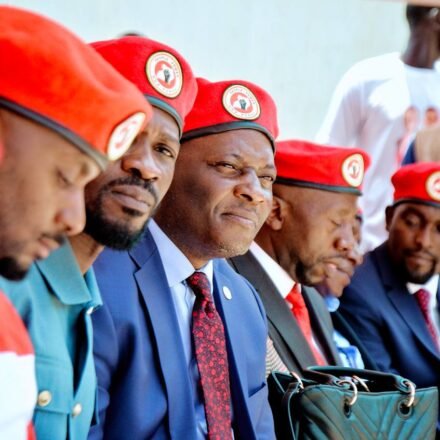
In a multiparty democracy, citizens determine the relative strength of political parties through their votes. The party that secures the largest opposition representation consequently occupies a central position in challenging the government and providing an alternative political vision.
The existing legal framework recognises this political reality by allowing the largest opposition party to designate the Leader of the Opposition.
Although Parliament has constitutional authority to regulate the office, that authority must be exercised consistently with the Constitution’s principles of popular sovereignty, political participation and multiparty democracy.
A system that allows independent MPs, smaller parties and legislators with potentially competing political interests to determine the leader of the principal Opposition could weaken the significance of the electorate’s choices.
The question is not whether opposition MPs should participate in parliamentary decision-making. They should. The question is whether their collective participation should become a mechanism through which the independence of the largest opposition party can be undermined.
Parliament must ensure that any reform protects both effective coordination among opposition legislators and the democratic mandate established by voters.
Military Influence Has No Place in Opposition Leadership
The proposed legislation has also generated concerns about the relationship between military influence and civilian political institutions.
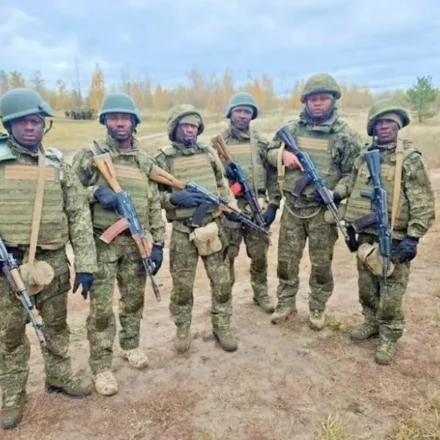
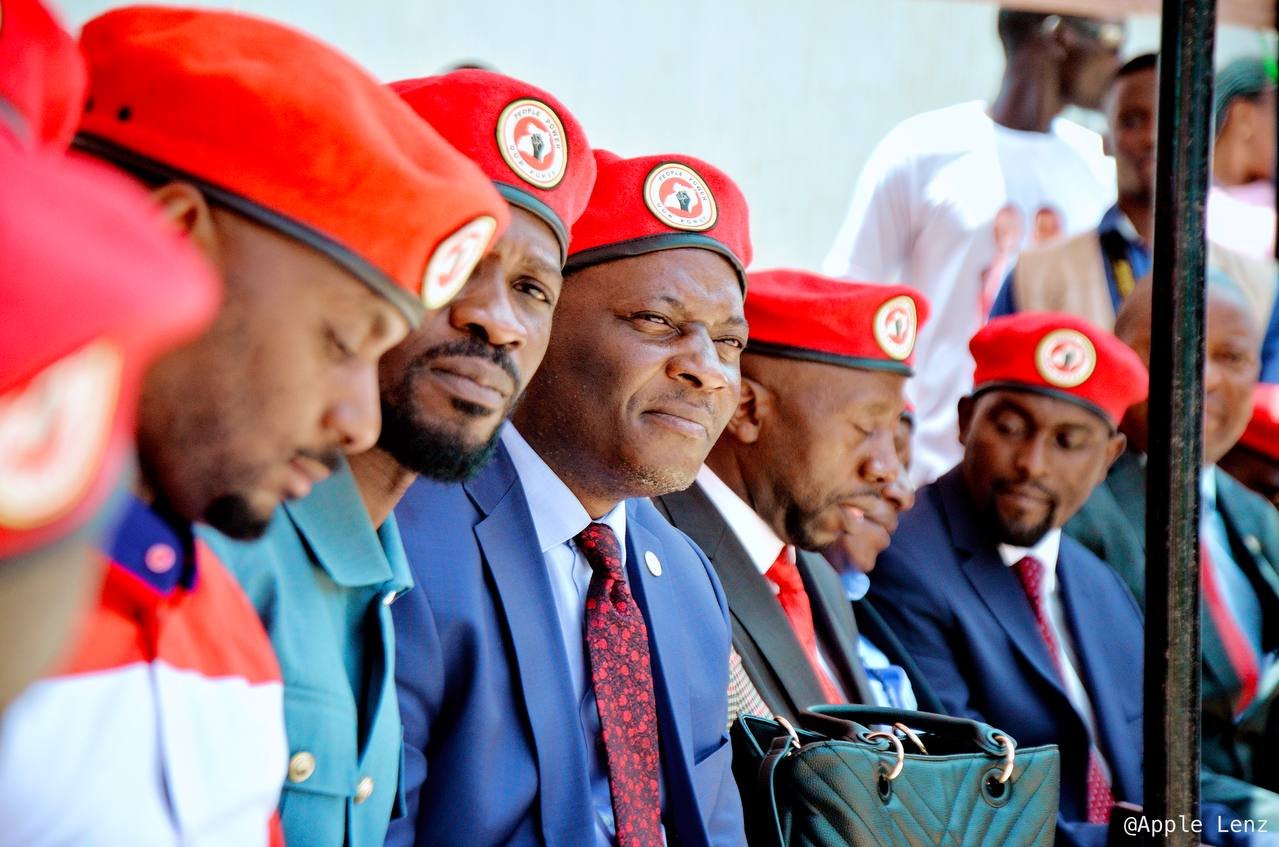
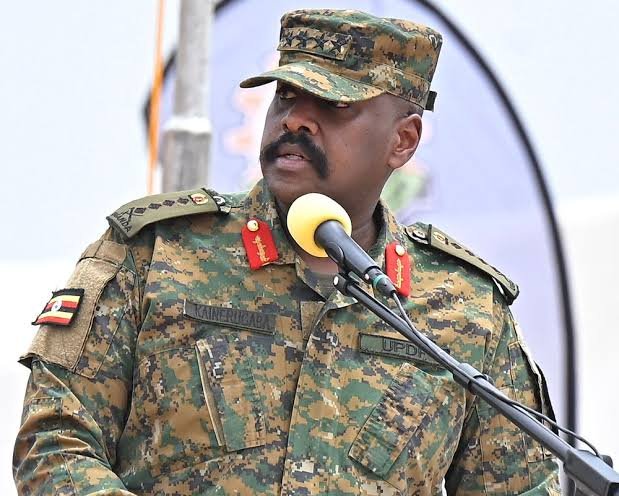
General Muhoozi Kainerugaba, Uganda’s serving Chief of Defence Forces, has publicly made statements concerning the future leadership of the Opposition. Political actors associated with the Patriotic League of Uganda, including legislators identified in public accounts as supporters of his position, have also been associated with calls for changes to the selection of the Leader of the Opposition.
The reported sequence of these statements and the subsequent legislative proposal raises an important constitutional question: Should a serving military commander be involved in determining who leads Uganda’s civilian parliamentary Opposition?
The military has a defined constitutional role. Article 208(2) of the Constitution requires the Uganda People’s Defence Forces to be non-partisan, professional and subordinate to civilian authority.
Military commanders should not become arbiters of civilian political competition. Decisions about parliamentary leadership must be guided by constitutional principles, established law and democratic accountability rather than military pronouncements or political pressure.
The danger is that when military statements about political opponents are followed by legislative initiatives that appear to advance similar objectives, public confidence in the independence of Parliament may be undermined.
Uganda’s democratic institutions must demonstrate that civilian political decisions are made independently and in accordance with the Constitution.
A Vulnerable Opposition Could Become Easier to Control
Uganda’s opposition parties operate in an environment marked by financial constraints, organisational challenges and political divisions. Many struggle to raise sufficient funds to maintain grassroots structures, support their members and sustain nationwide political mobilisation.
These weaknesses matter because political independence requires organisational and financial resilience.
When political parties depend heavily on individual benefactors or irregular sources of funding, they may become vulnerable to inducements, patronage and internal divisions.
A parliamentary arrangement that enables legislators outside the largest opposition party to exercise decisive influence over its leadership could intensify these vulnerabilities.
Rather than strengthening opposition cooperation, such a system could create opportunities for political manoeuvring and weaken the ability of opposition parties to hold the government accountable.
Any reform of parliamentary leadership should therefore be assessed against a fundamental democratic standard: Does it increase the independence of political institutions, or make them more susceptible to external influence?
Why Force an Incumbent Out of Office?
One of the most contentious provisions of the proposed Bill is the requirement that the incumbent Leader of the Opposition vacate office within three months of enactment.
This raises questions about legal certainty, institutional continuity and the treatment of appointments made under the existing law.
If an incumbent was lawfully designated under the applicable legal framework, Parliament must provide a clear and constitutionally defensible justification for any measure that prematurely terminates that appointment.
Why is immediate displacement necessary? What specific institutional problem does the proposed termination clause address? And what safeguards would prevent a new selection process from being manipulated for short-term political advantage?
These are questions that Parliament must answer transparently before proceeding.
The proposed approval procedures for the Shadow Cabinet also warrant careful examination. While accountability and consultation within the Opposition are legitimate objectives, the process must not give politically hostile legislators an effective veto over the opposition leadership’s ability to organise its parliamentary team.
Legislation should establish fair, predictable rules rather than create opportunities for targeted political interference.
The Bill Could Undermine National Dialogue
The controversy comes at a time when Uganda continues to face questions about political reconciliation, democratic participation and the possibility of meaningful national dialogue.
A credible national dialogue requires trust between political actors. It also requires participants to possess sufficient independence to negotiate without intimidation, coercion or fear of retaliation.
It is difficult to build that trust when opposition leaders face uncertainty about their political future, when military figures make public pronouncements about civilian political competition, and when legislative proposals threaten to reshape the Opposition’s leadership arrangements.
A government cannot credibly promote national dialogue while appearing to seek greater control over who represents its political opponents.
Dialogue must be based on mutual respect, constitutional guarantees and a genuine willingness to address the causes of political division.
It cannot become a process in which one side determines the leadership, conditions or political independence of the other.
If Uganda is serious about reconciliation, the priority should be to strengthen democratic institutions, protect political participation and create an environment in which competing political interests can engage freely.
Protecting the Substance of Multiparty Democracy
Uganda’s Constitution recognises popular sovereignty and political participation under Articles 1 and 38, while Articles 69 and 71 address the political system and the constitutional framework governing political organisations.
These principles are not merely symbolic. They must shape how Parliament exercises its legislative authority and how political institutions treat their opponents.
A country can have a functioning Parliament, regular elections and opposition benches while still weakening the institutional independence that makes multiparty democracy meaningful.
The true measure of democratic progress is not simply whether the Opposition exists, but whether it can choose its leaders, organise its members and challenge those in power without undue interference.
Parliament should therefore subject the Administration of Parliament (Amendment) Bill, 2026, to rigorous constitutional scrutiny and broad public consultation. Any provisions that compromise political pluralism, parliamentary independence or the legitimate mandate of opposition parties should be rejected or substantially revised.
Uganda needs reforms that strengthen accountability, not arrangements that risk turning the Opposition into an institution dependent on the approval of those it is expected to scrutinise.
Parliament must protect the right of the Opposition to remain independent. The future of Uganda’s multiparty democracy depends not on who controls the Opposition, but on whether democratic institutions can guarantee its freedom to hold power accountable.