



By Alexander Luyima (GDipICL) | Human Rights Activist | The Hoima Post
Uganda is once again confronting a question that its political establishment has never satisfactorily put to rest: who determines the country’s next president, and at what cost to constitutional democracy?
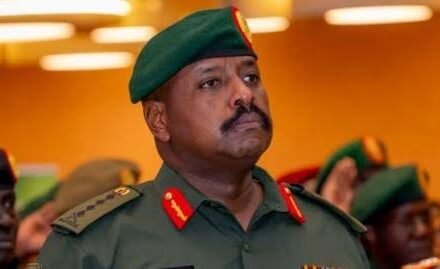
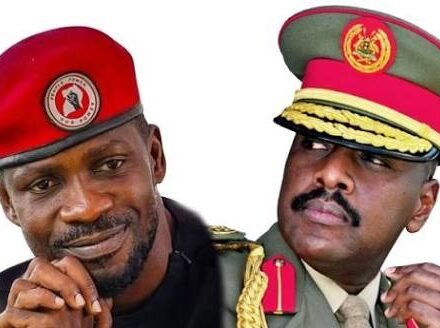
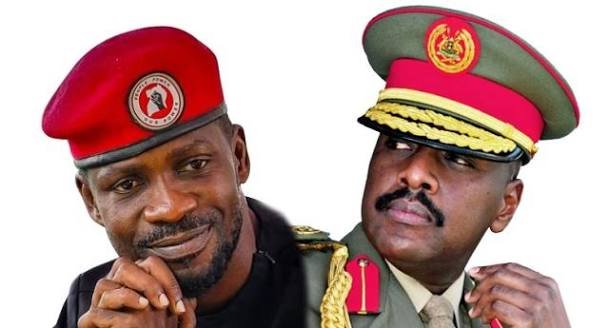
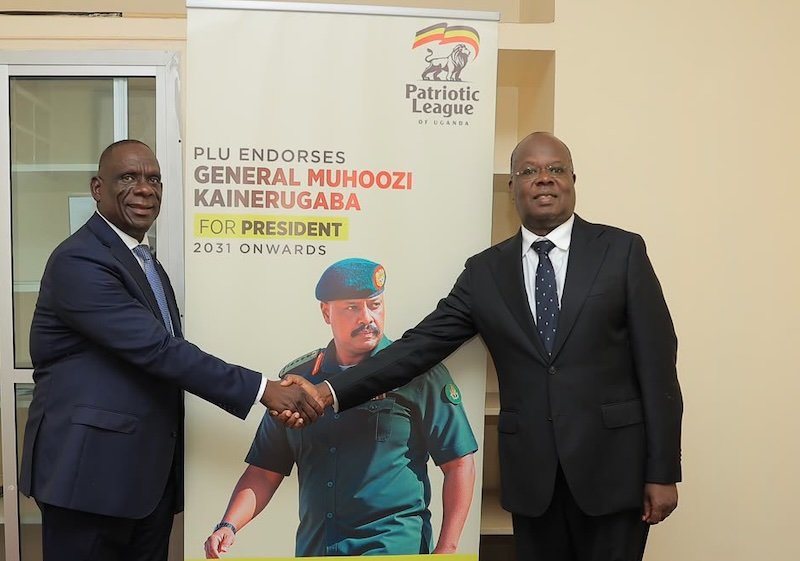
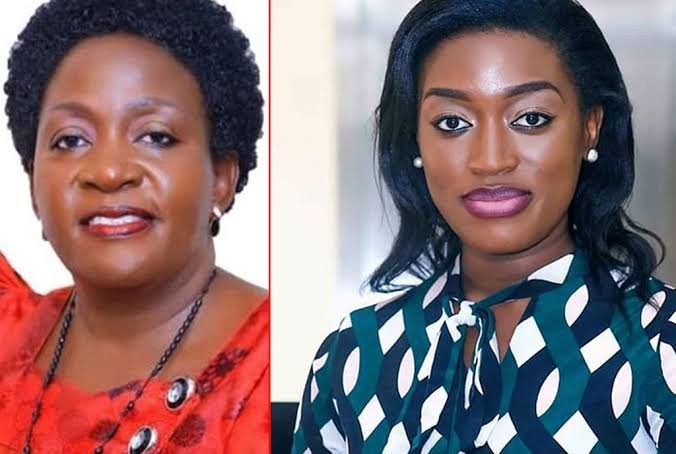
The reported arrests of senior military officers, public threats against Vice President Jessica Alupo and the growing political profile of General Muhoozi Kainerugaba have intensified concerns about the relationship between military power, presidential succession and the future of Uganda’s democratic institutions.
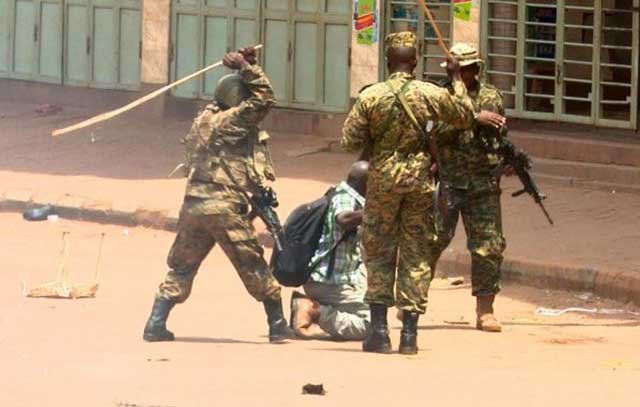
These are not isolated political disagreements. They raise fundamental questions about civilian authority, military accountability and the constitutional rights of Ugandans.
The generals: arrests that demand answers
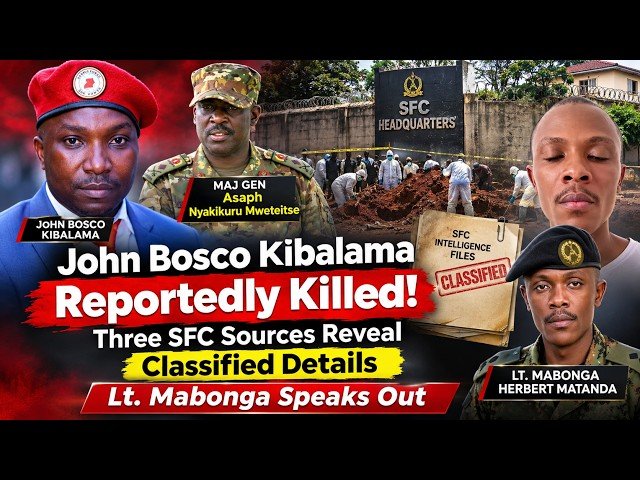
Reports published on November 14, 2026, indicate that at least a dozen generals and senior military officers have been arrested over approximately 15 months.
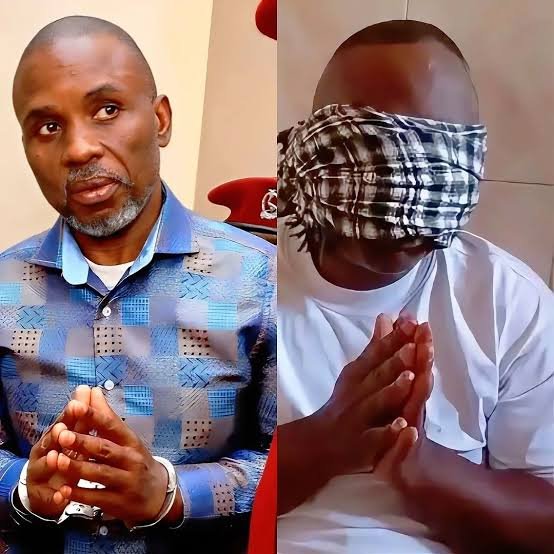
Among the cases attracting attention is that of retired Lieutenant General Peter Elwelu, whose detention followed public accusations by Muhoozi and subsequent military allegations of subversive activities.
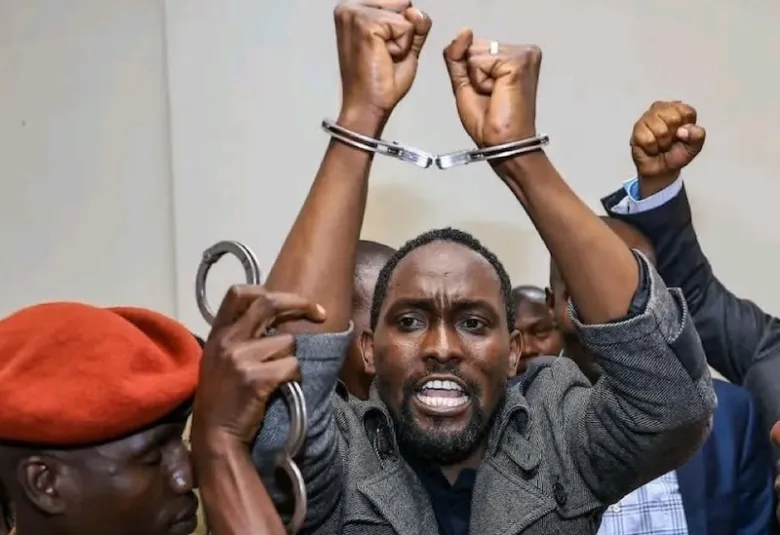
Authorities have cited allegations including treason, corruption and other security-related offences in different cases. Those allegations must be subjected to lawful and independent judicial processes. Arrest is not conviction.
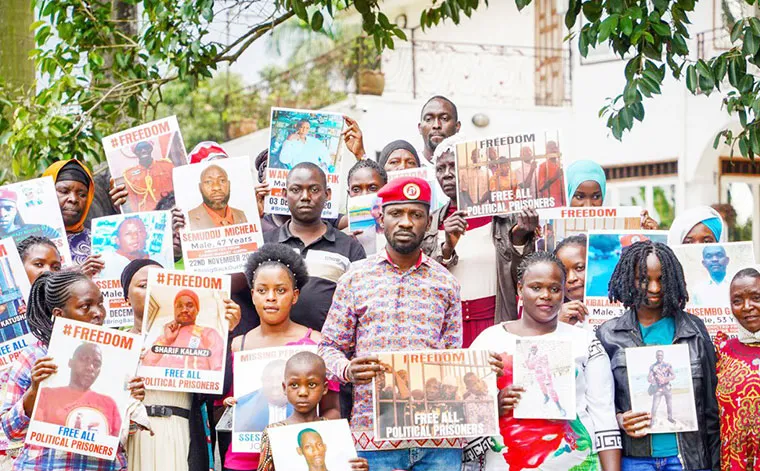
However, Ugandans deserve answers about the whereabouts of detained officers, the charges against them, access to independent legal representation and whether due process is being respected.
More importantly, the public deserves reassurance that military investigations are not being influenced by political loyalties or disagreements surrounding presidential succession.
The Muhoozi Project: a controversy Uganda cannot forget
The current succession debate has historical roots.
In 2013, General David Sejusa, then a senior intelligence coordinator, raised allegations about what became known as the Muhoozi Project. He called for investigations into claims of a plan to eliminate or frame senior officials who allegedly opposed a family succession arrangement involving President Museveni’s son.
The allegations triggered a major political confrontation, including the closure of Daily Monitor’s premises and associated broadcasting operations.
Sejusa’s claims were never equivalent to judicial findings proving an assassination conspiracy. Nevertheless, the controversy exposed a serious question about whether Uganda’s political future was being discussed within powerful circles beyond the reach of public accountability.
General Aronda Nyakairima’s death in September 2015 also generated speculation because of the earlier controversy, although there is no established evidence that his death was connected to the alleged succession project.
More than a decade later, Uganda is still asking questions about political succession, military influence and the concentration of power.
A threatened Vice President and the limits of military authority
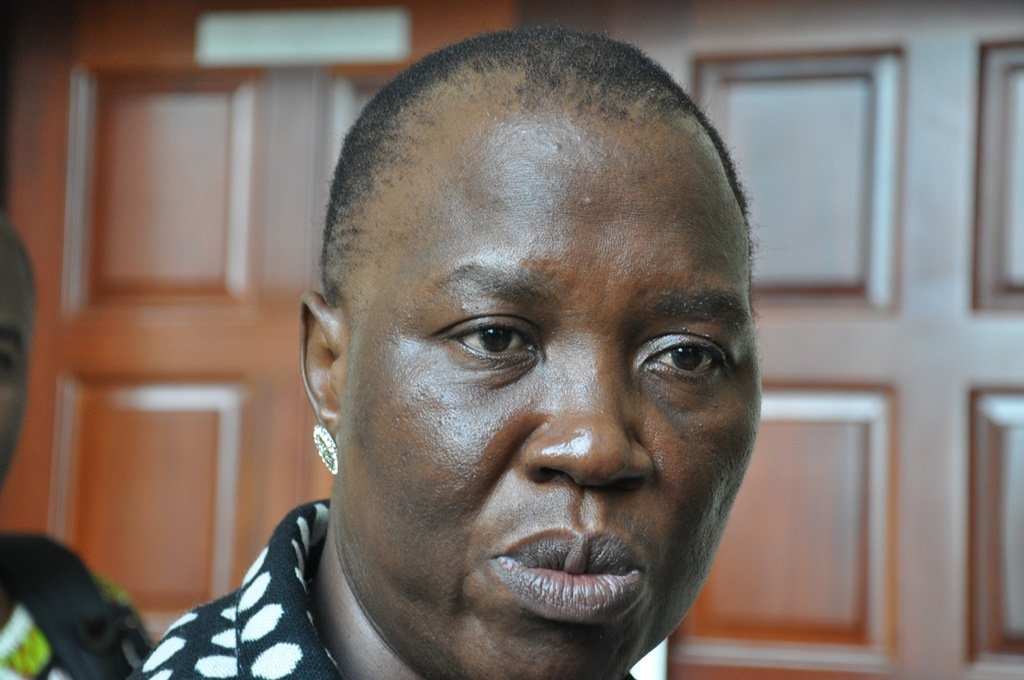
The public confrontation involving General Muhoozi and Vice President Jessica Alupo has made the current controversy even more serious.
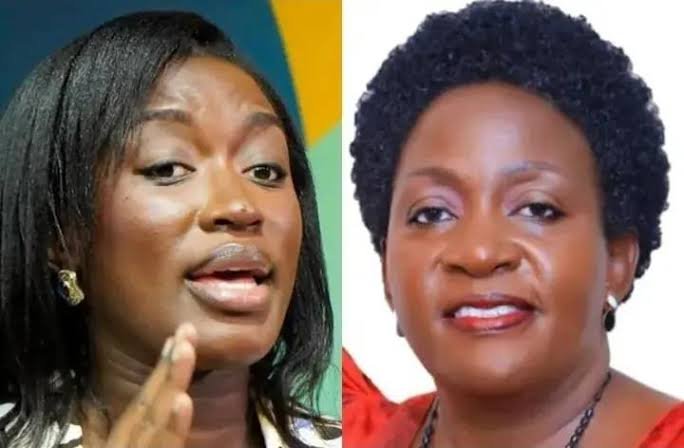
On November 9, 2026, Muhoozi reportedly published statements questioning Alupo’s loyalty, demanding that she prepare to leave office and threatening possible dismissal and arrest. He also suggested that he should occupy the vice-presidential position.
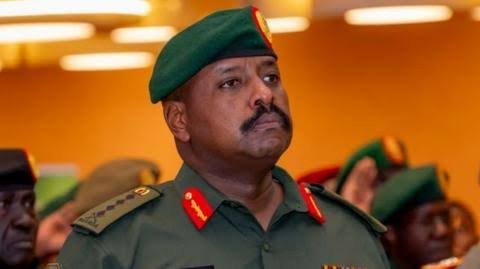
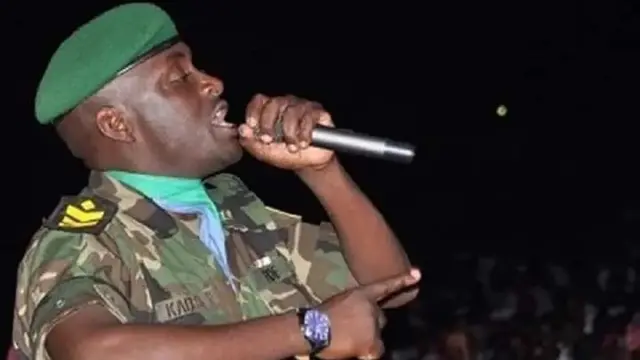
These statements are particularly concerning because Muhoozi is not simply a political commentator. He is Uganda’s serving Chief of Defence Forces.
Article 208(2) of the Constitution requires the UPDF to be non-partisan and subordinate to civilian authority established under the Constitution. Article 108 establishes the constitutional framework governing the Vice President’s office.
A military commander does not possess independent constitutional authority to remove a Vice President or appoint himself to that office.
The question is therefore straightforward: what happens to civilian constitutional authority when a serving military commander publicly threatens a constitutionally appointed civilian officeholder?
Ugandans deserve an institutional response, not silence or political dismissal.
Uganda’s history makes official denials insufficient
Ugandans have witnessed constitutional safeguards being removed during Mr. Museveni’s presidency.
In 2005, presidential term limits were removed. In 2017, Parliament removed the presidential age ceiling of 75 years.
These changes fundamentally altered the constitutional restrictions on presidential eligibility and continued incumbency.
They are particularly relevant today because Mr. Museveni previously criticised African leaders who remained in power for extended periods.
This history explains why citizens may be reluctant to accept official denials about succession politics without independent scrutiny.
The NRM may dismiss reports of internal disagreements, but political assurances cannot substitute for institutional accountability.
Ugandans have every right to question whether the country’s political future is being shaped by constitutional processes or private interests within the ruling establishment.
Uganda is not a family inheritance
The Constitution provides for presidential elections through universal adult suffrage and secret ballot under Article 103.
General Muhoozi, like any other Ugandan who meets the constitutional requirements, has the right to participate in politics. However, neither military rank nor family relationship with the incumbent President gives anyone a superior claim to the presidency.
The national army belongs to Uganda, not an individual, family or political organisation.
The UPDF must defend the nation rather than become an instrument of political succession.
Meanwhile, ordinary Ugandans continue to struggle with unemployment, rising living costs, inadequate public services and economic uncertainty. Their concerns must not be overshadowed by political battles within the corridors of power.
Questions that demand answers
Uganda’s Parliament, judiciary and human rights institutions should demand clarity on several matters:
– What is the full record of senior military officers arrested or detained since 2025, and what is the legal status of their cases?
– Were the allegations raised by General Sejusa in 2013 independently investigated?
– What institutional response has followed the public threats against Vice President Jessica Alupo?
– What safeguards guarantee that military appointments, investigations and prosecutions remain free from political interference?
– What guarantees can Ugandans receive that presidential succession will be determined through constitutional and electoral processes rather than military influence or private political arrangements?
These questions are not attacks on national security. They are essential to protecting national security and constitutional democracy.
The future of Uganda belongs to Ugandans
The issue is not simply whether General Muhoozi will become President. The deeper question is whether Uganda’s institutions can guarantee that no individual, family or military establishment places itself above the Constitution.
Uganda has already experienced the consequences of weakening presidential safeguards. Its citizens should not have to wait for another constitutional crisis before demanding transparency.
Mr. Museveni’s legacy, Muhoozi’s political ambitions and the NRM’s internal interests must remain matters of public scrutiny.
Uganda is not a family inheritance. Its presidency is a constitutional office, its military is a national institution, and its future belongs to its citizens.
The question is not merely who comes after Mr. Museveni. It is whether Uganda will finally have institutions strong enough to ensure that the people, not powerful individuals, determine the country’s future