





Bobi Wine Names Ugandan Political Prisoners at Washington Memorial as Rights Groups Condemn Abductions and Torture

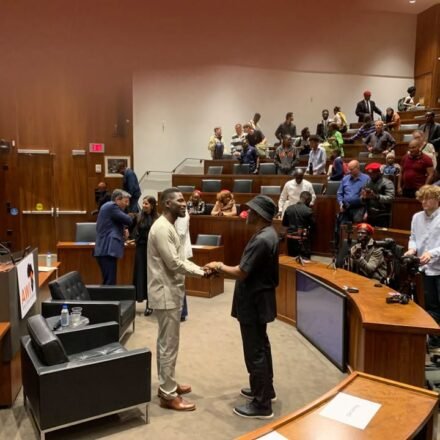
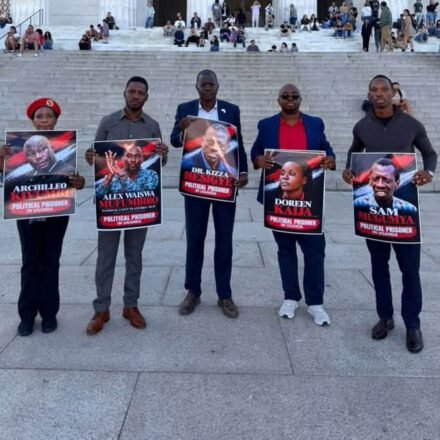
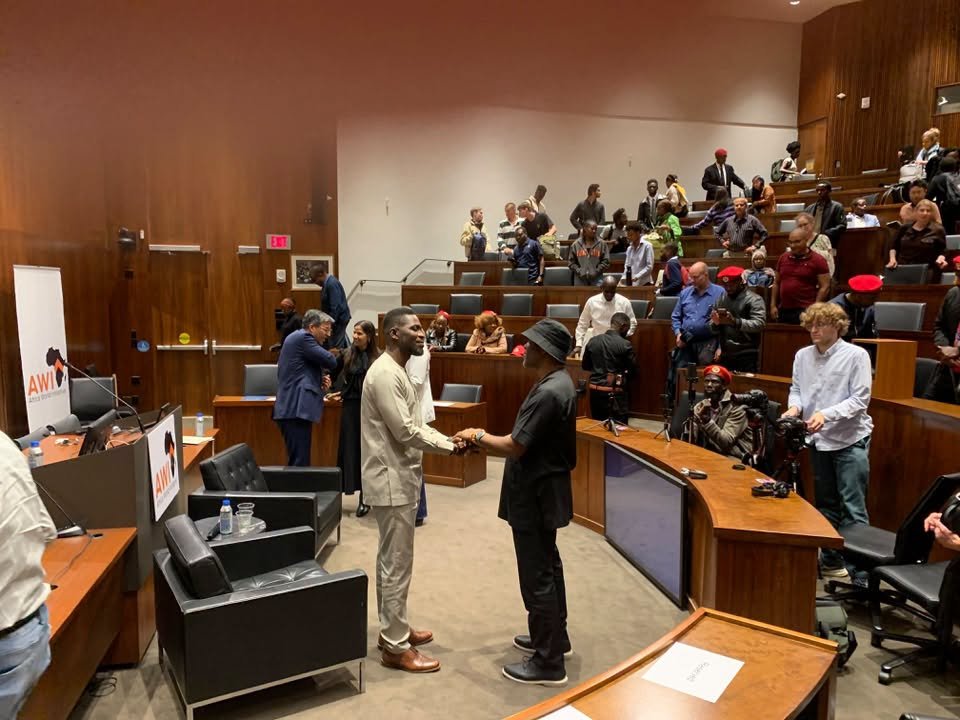
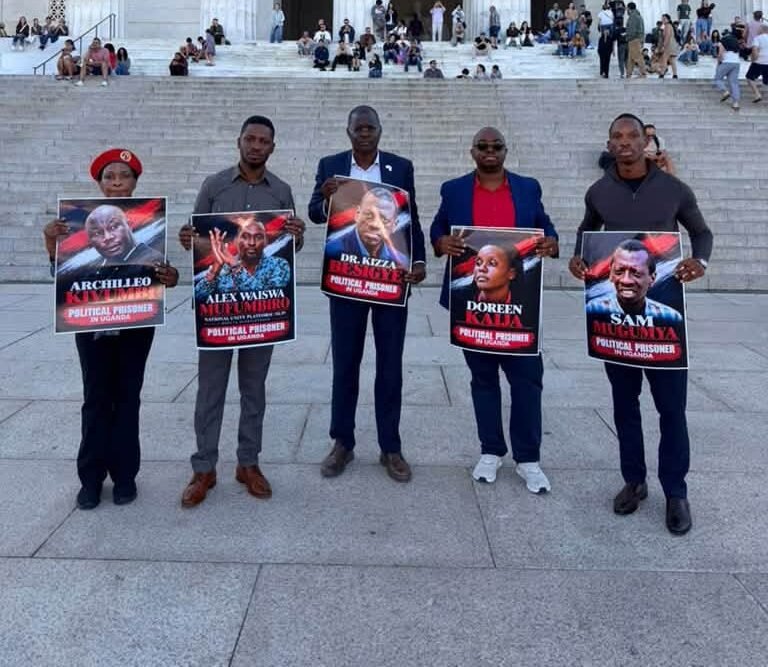
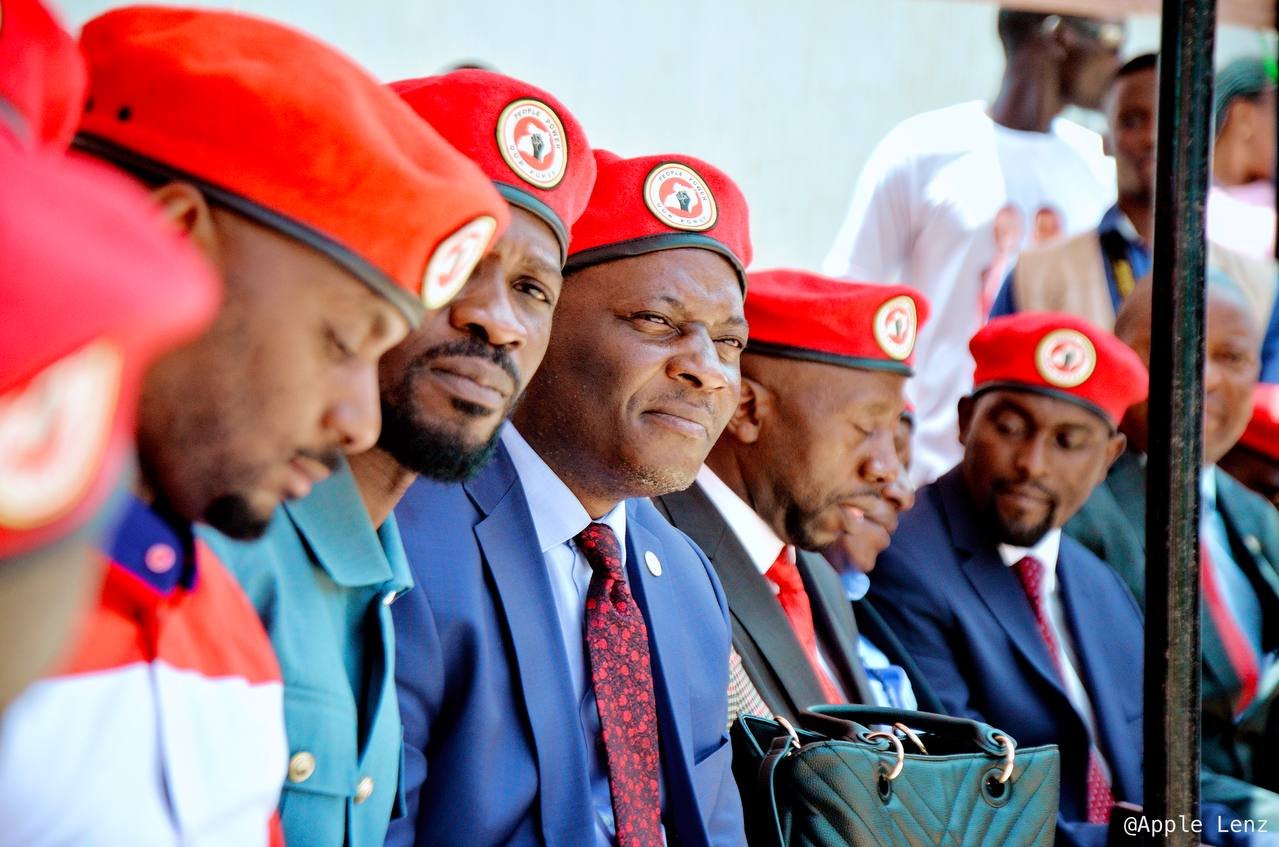
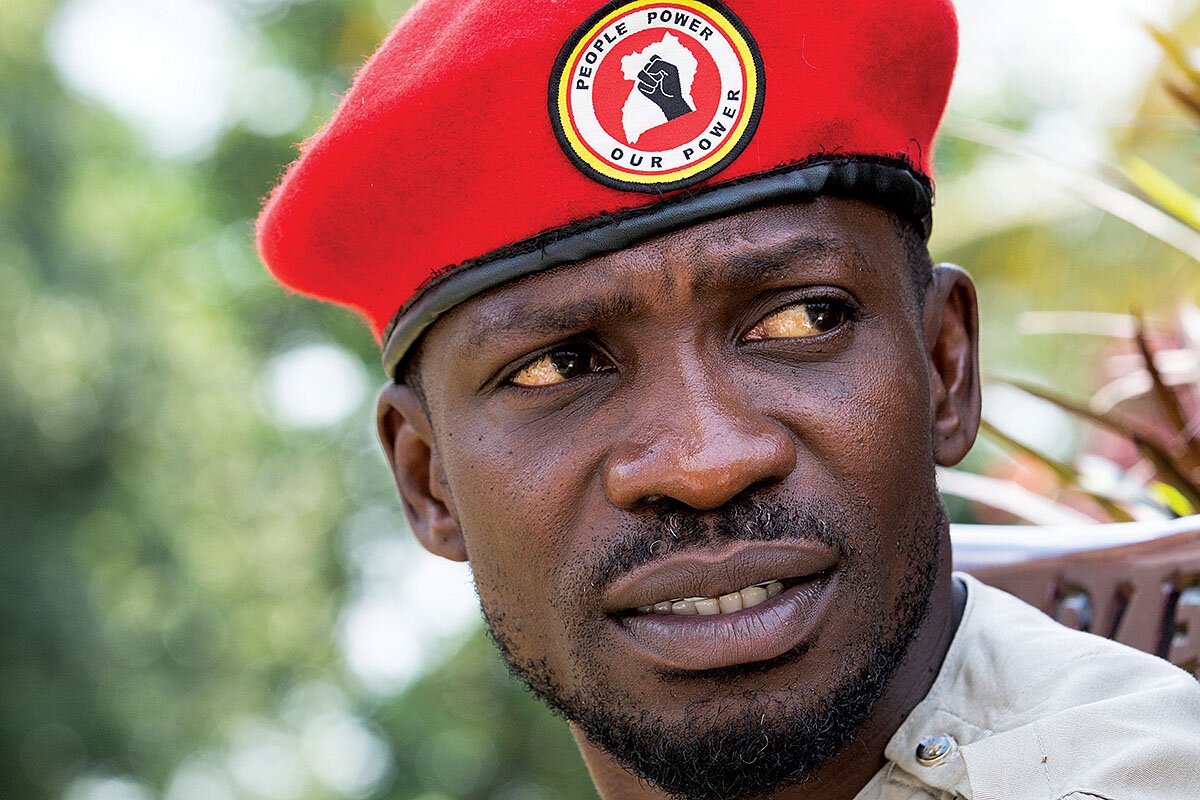
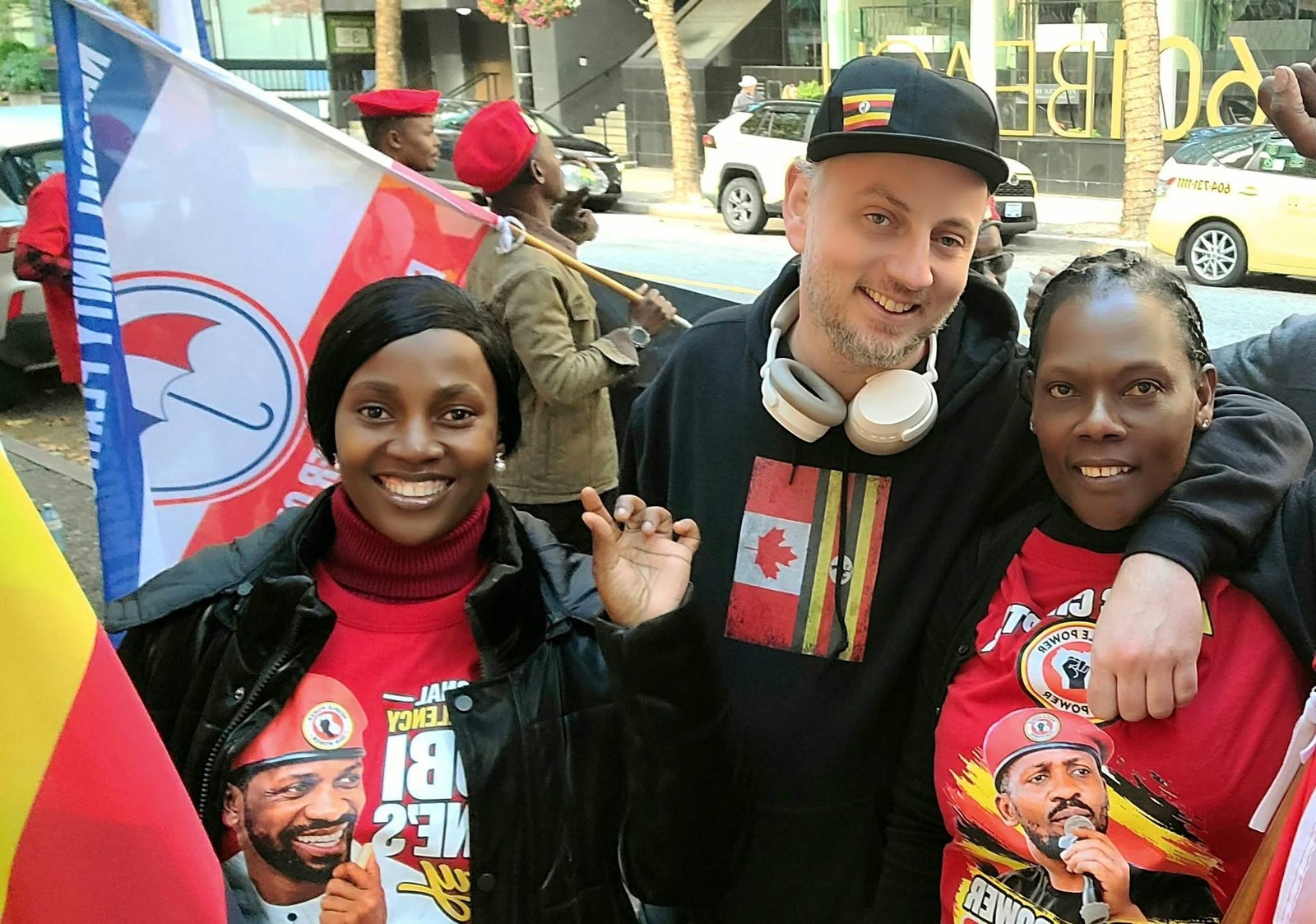
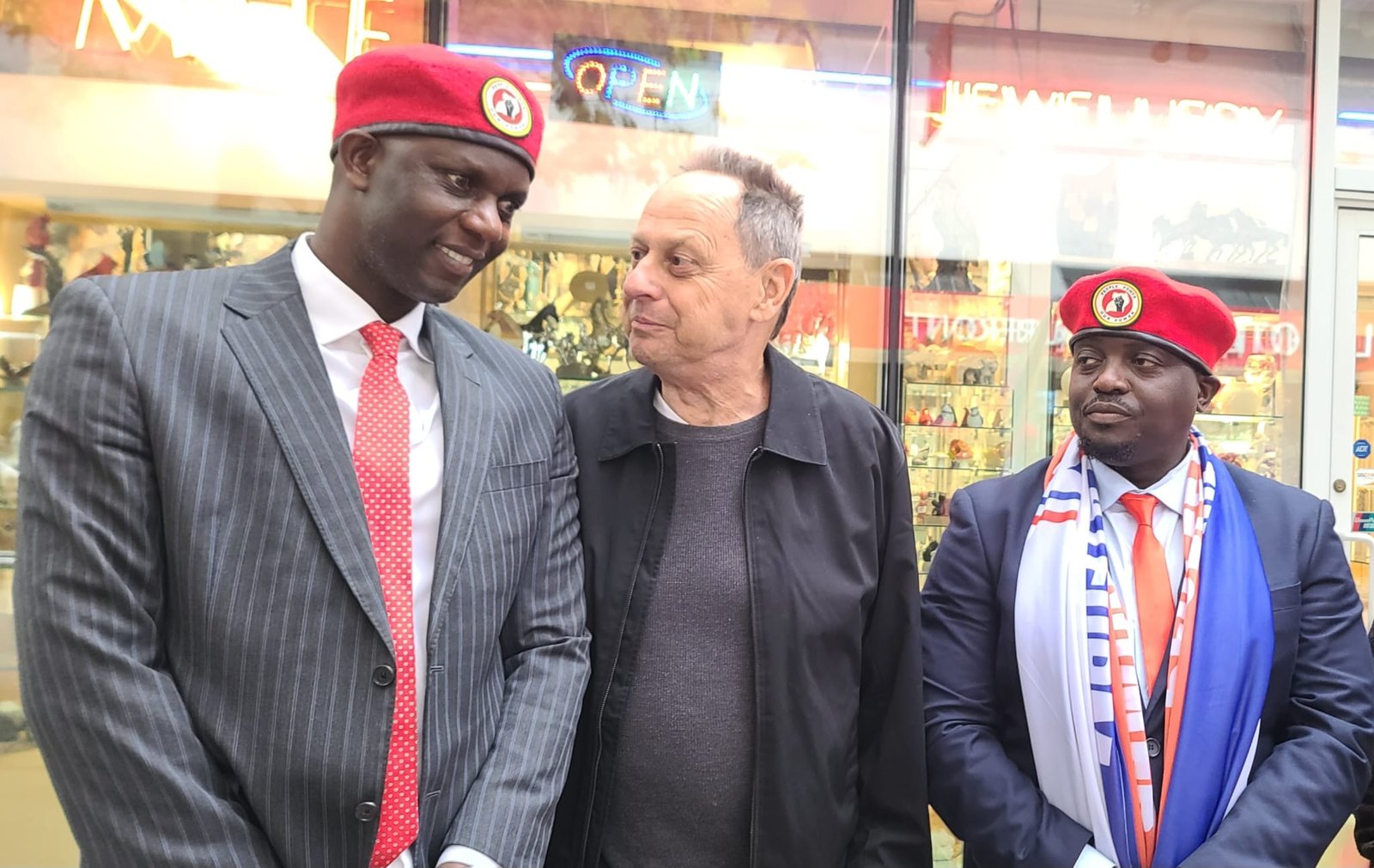
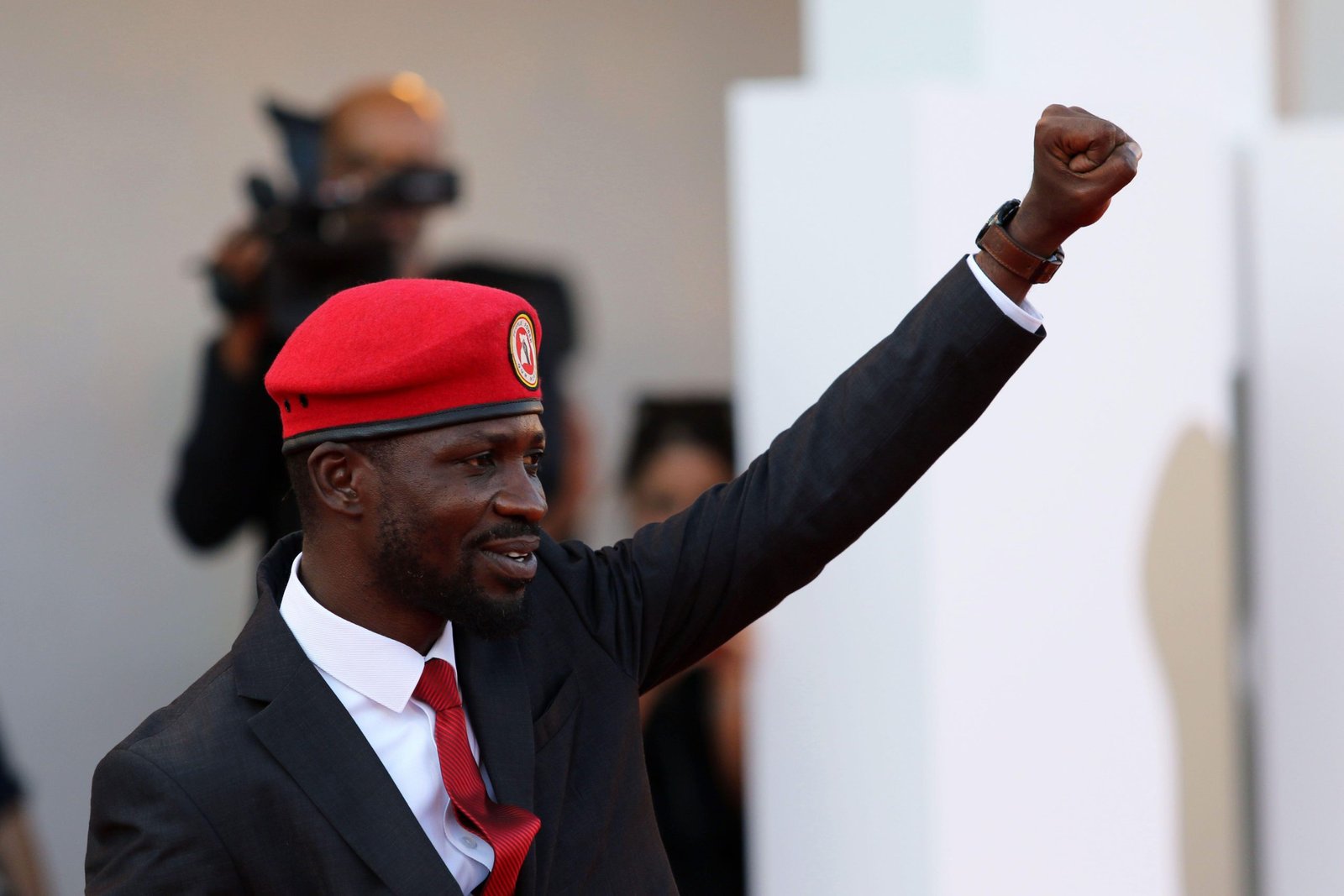
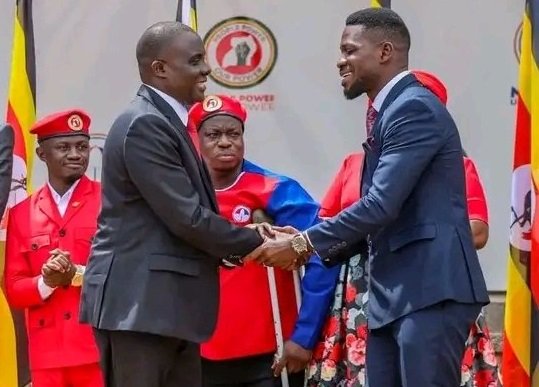
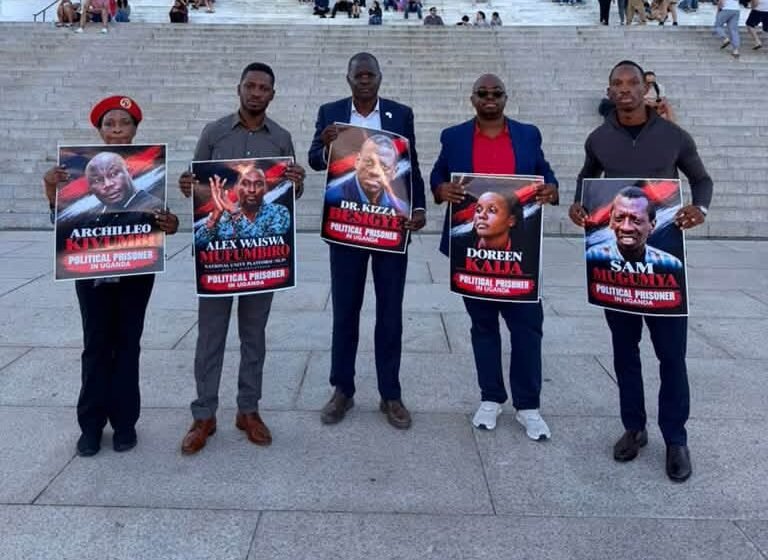
Ugandan opposition leader and National Unity Platform (NUP) president Robert Kyagulanyi Ssentamu, popularly known as Bobi Wine, has renewed calls for the release of political prisoners in Uganda after joining human rights defenders at the Lincoln Memorial in Washington, D.C., to commemorate the International Day of Political Prisoners.
In a statement shared publicly, Bobi Wine said he joined distinguished human rights defenders from Uganda and other countries at the October 30 event to stand in solidarity with political prisoners and individuals who have died in detention around the world.

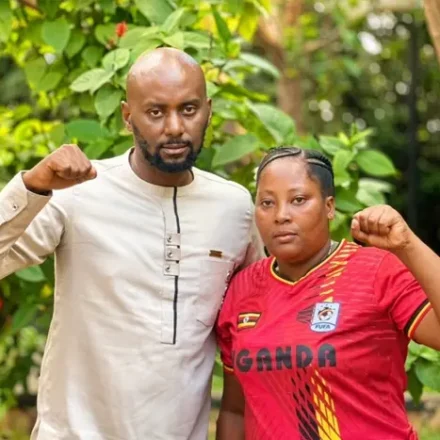
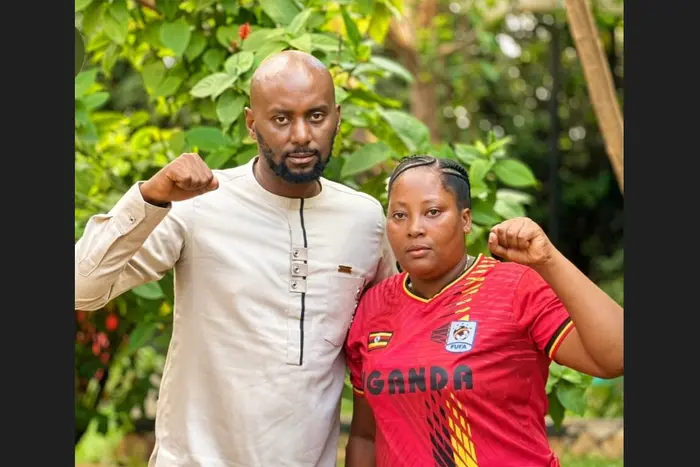
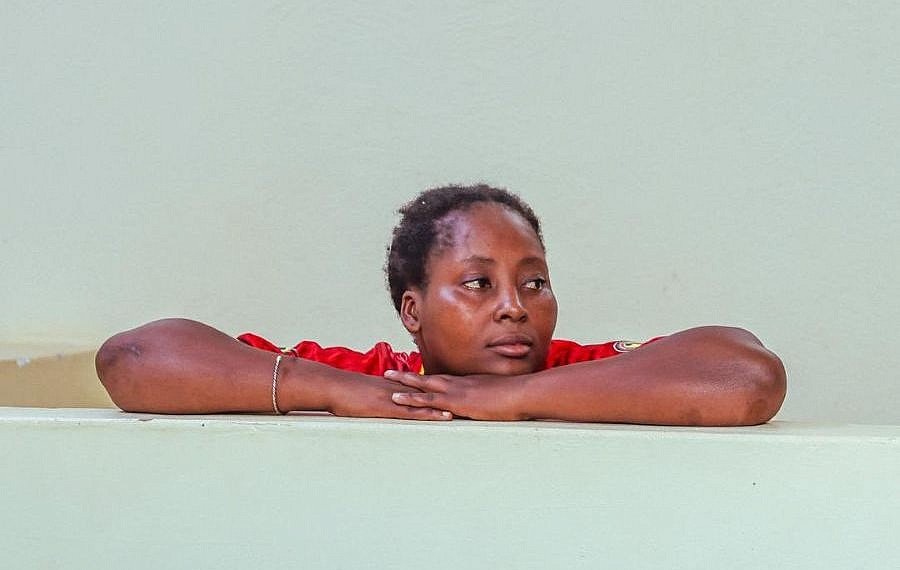
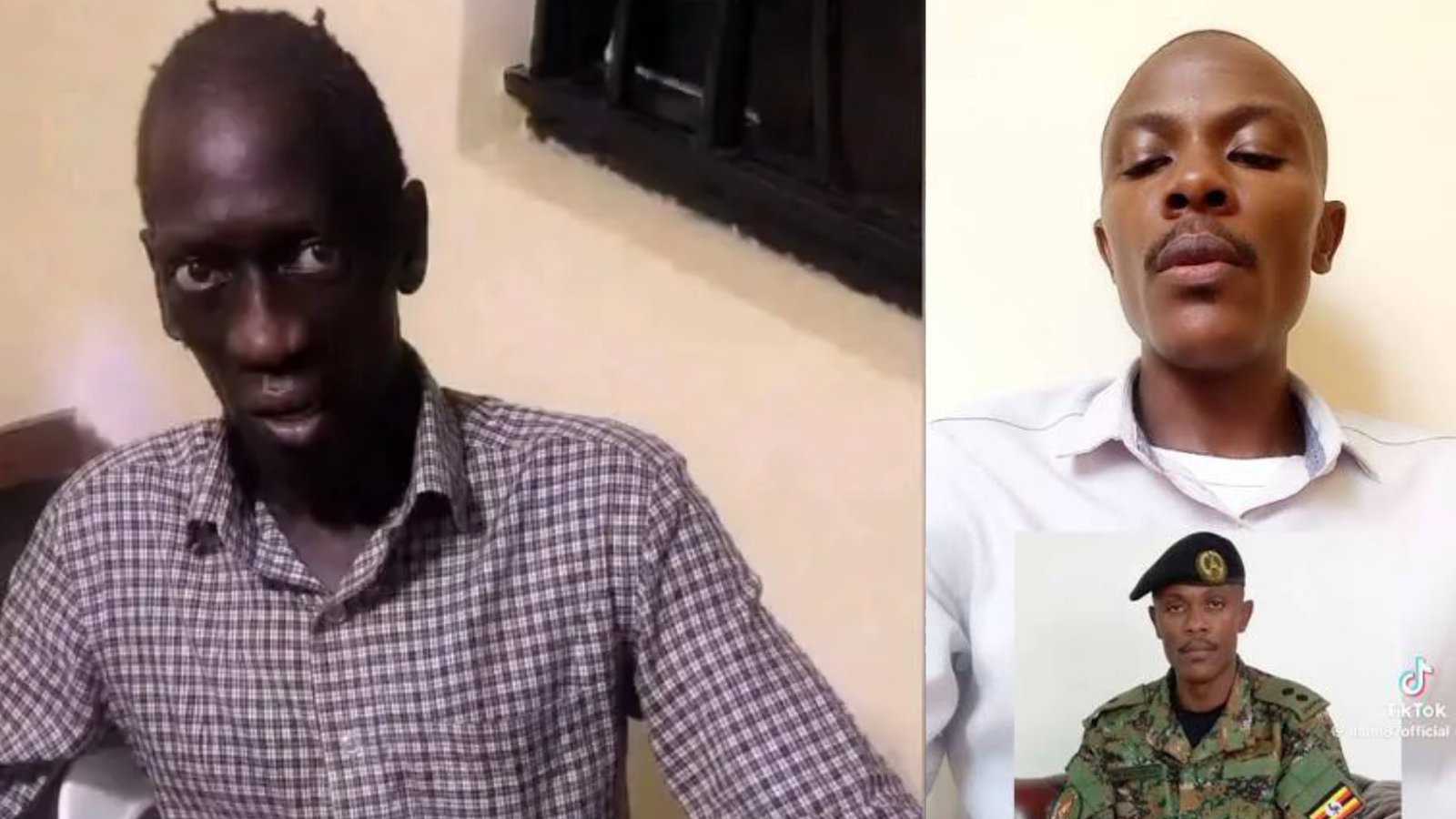
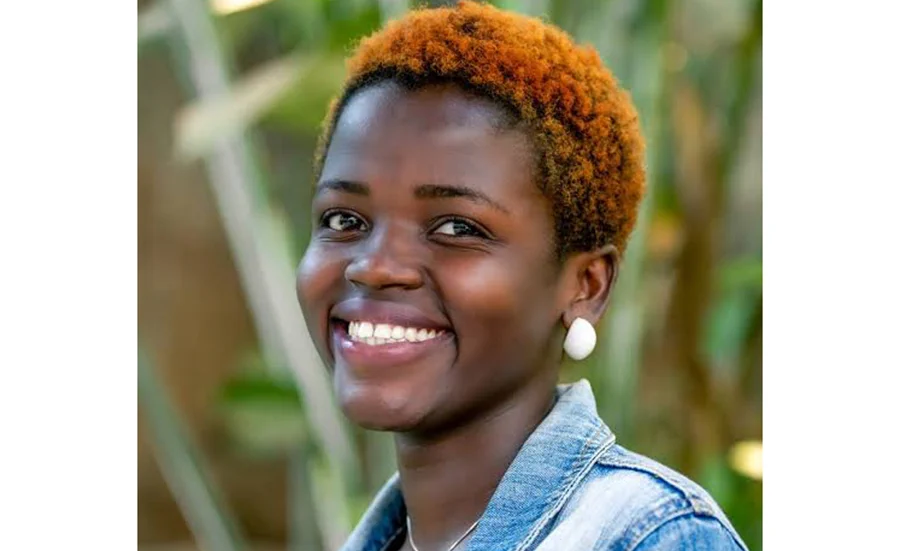
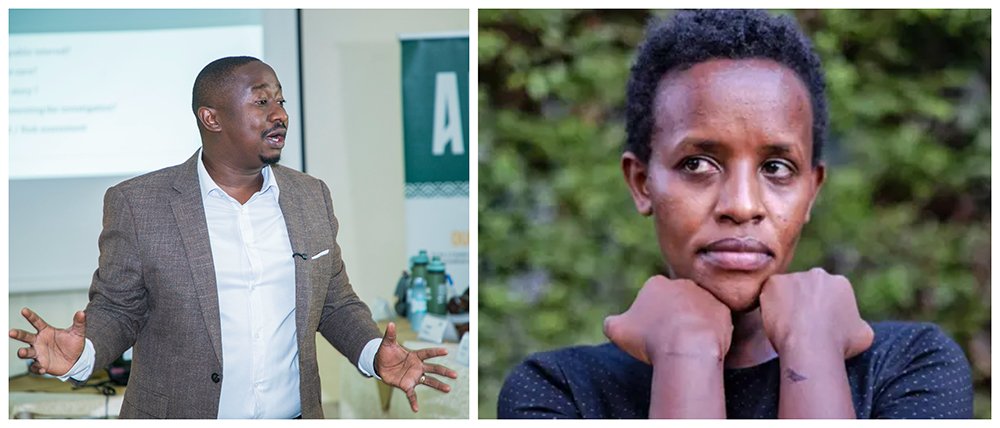
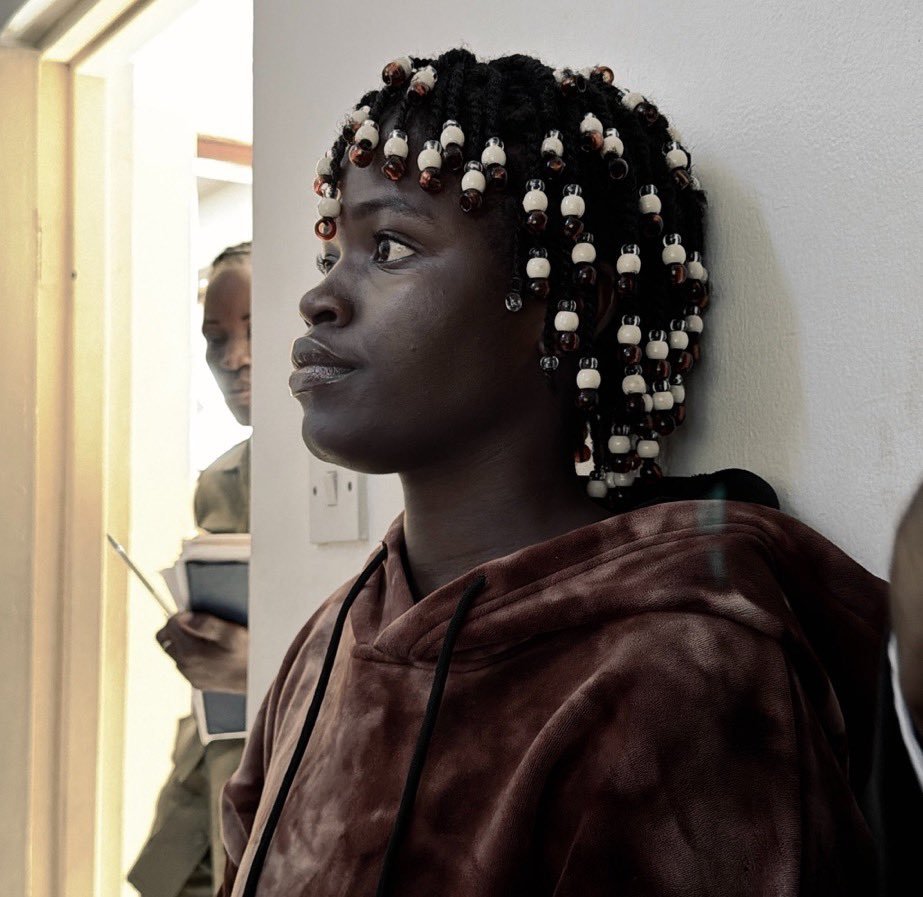
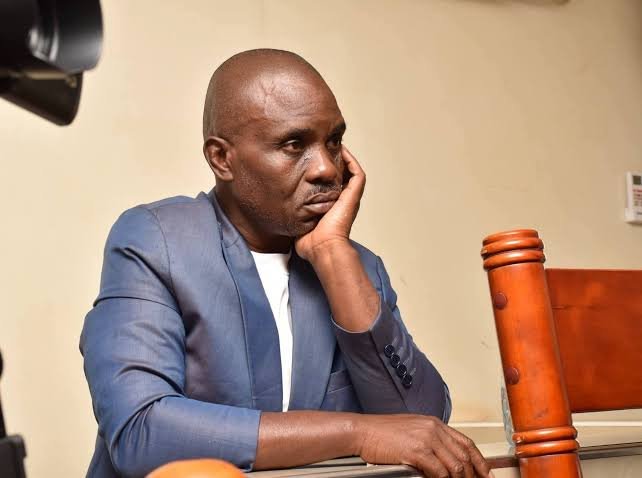
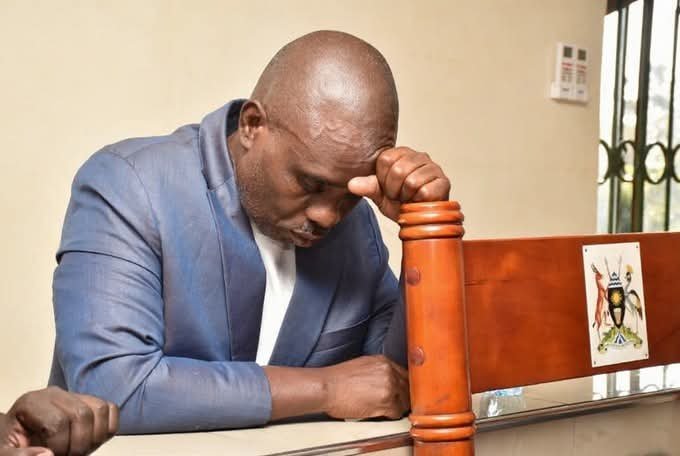
During the ceremony, the opposition leader read out the names of several detained Ugandan political figures, including Dr. Kizza Besigye, Kajja Doreen and Waiswa Mufumbiro, urging the international community to defend the rights of detainees and support their families.
The gathering was organized by the October 30 Coalition and the National Endowment for Democracy (NED), as part of international efforts to raise awareness about political imprisonment and demand the freedom of those detained for exercising fundamental rights.
Bobi Wine expressed gratitude to the organizers, emphasizing the importance of keeping the plight of political prisoners visible on the international stage.
Uganda’s political prisoners and growing concerns over repression
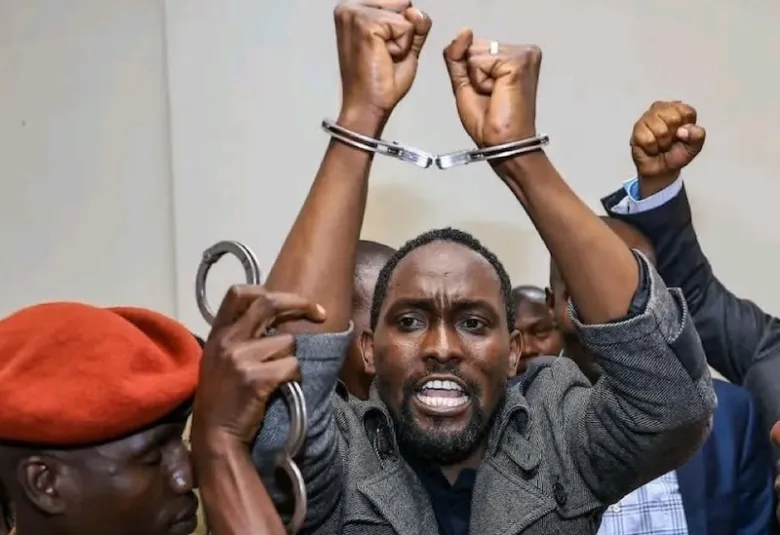
The Washington event comes amid continuing concerns about human rights violations in Uganda, where opposition politicians, journalists, activists and government critics have faced arbitrary arrests, prolonged detention, torture allegations and enforced disappearances.
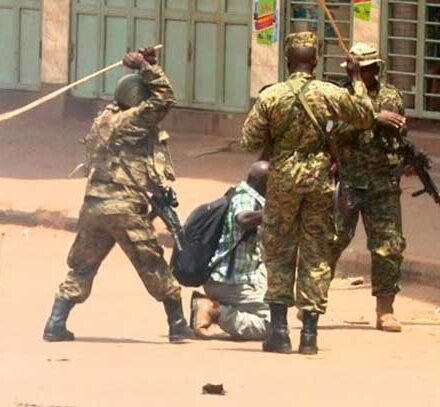
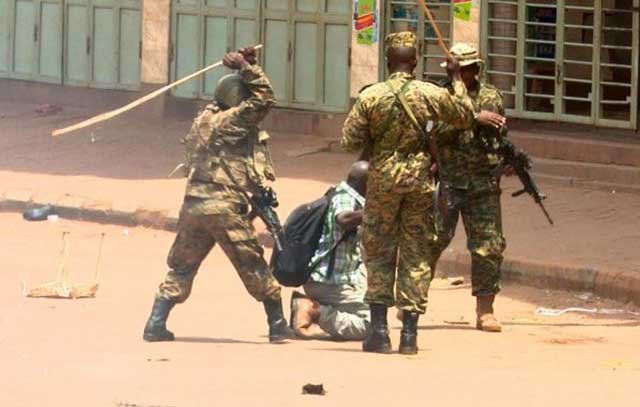
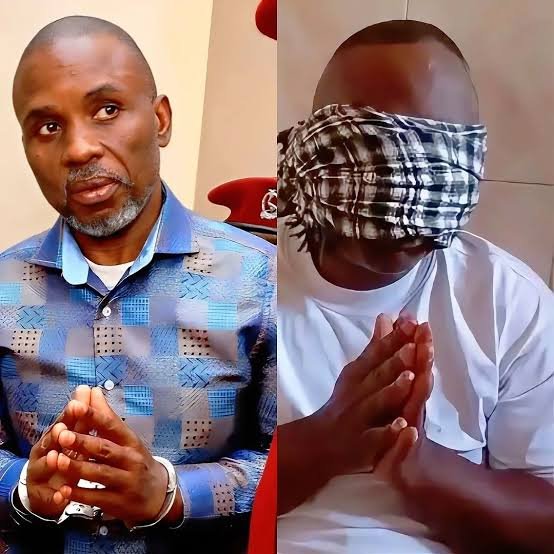
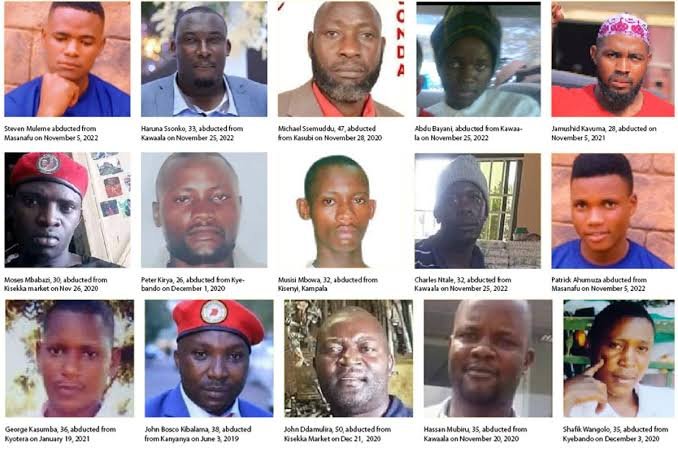
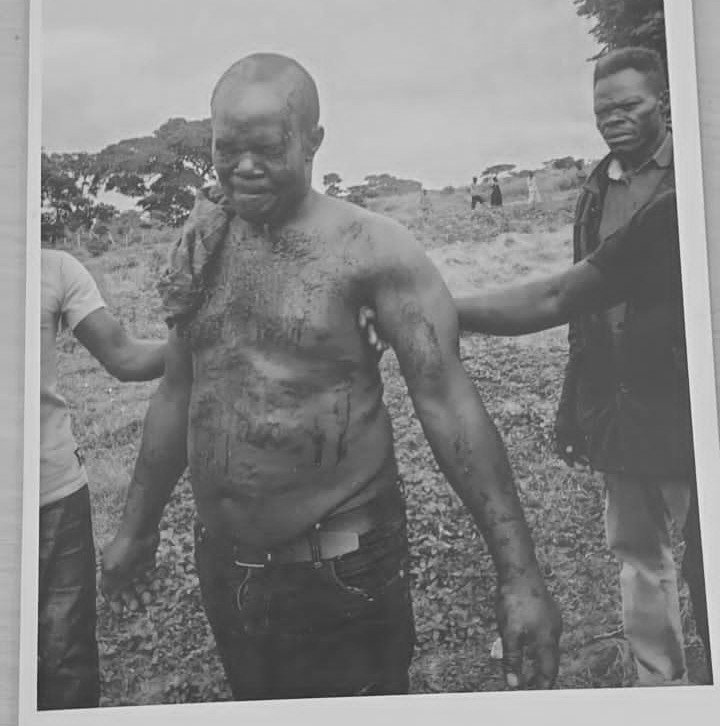
Human rights organizations have repeatedly documented abuses by Ugandan security agencies, including the use of unmarked vehicles commonly referred to as “drones” to seize opposition supporters and transfer them to undisclosed detention facilities.
Human Rights Watch has reported that Ugandan security forces have carried out enforced disappearances, arbitrary arrests, unlawful detention and torture over several years, while accountability for those responsible remains a serious concern.
The organization has called on the government to end the crackdown on independent media and civil society and ensure that security personnel implicated in abuses are held accountable.

These concerns have intensified as Uganda approaches and moves through politically sensitive electoral periods, with opposition supporters and civic actors facing restrictions on their freedom of assembly and expression.
Museveni and Muhoozi face renewed scrutiny over human rights abuses
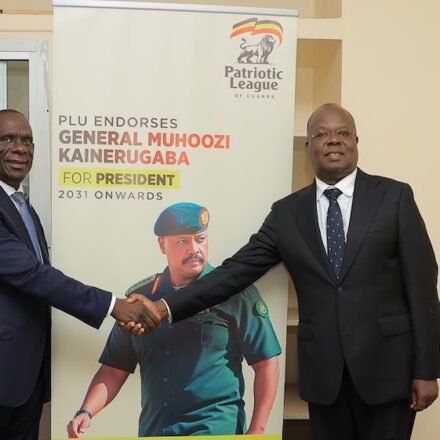
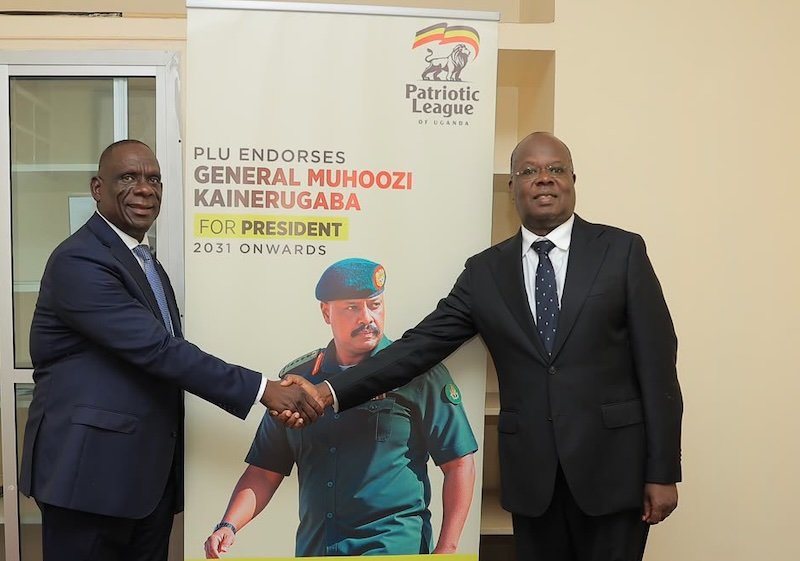
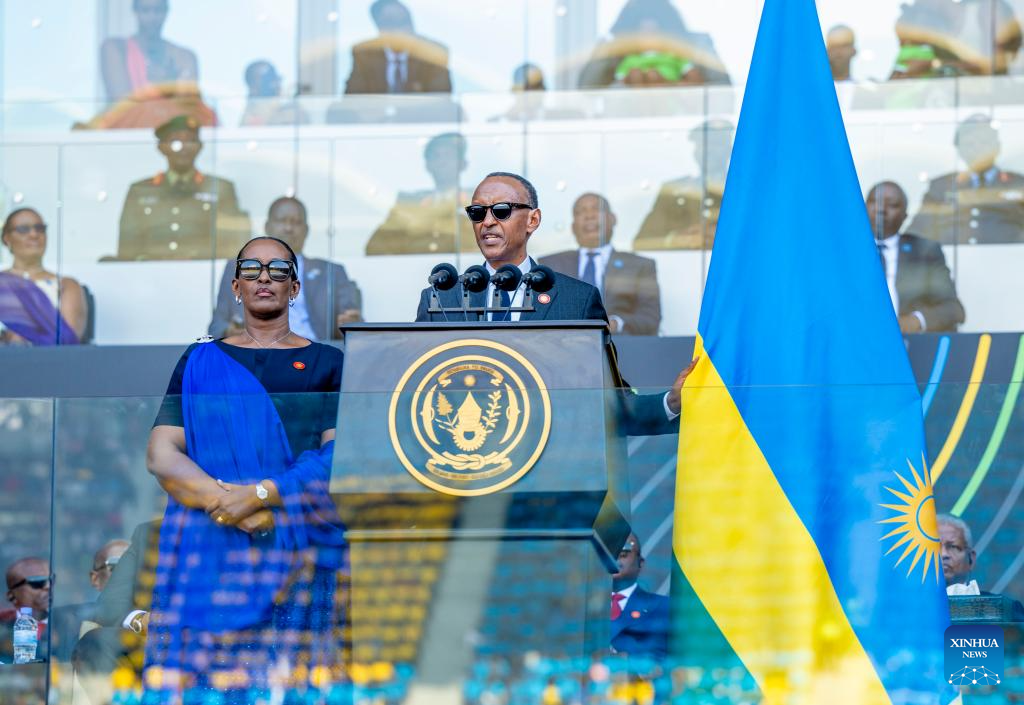
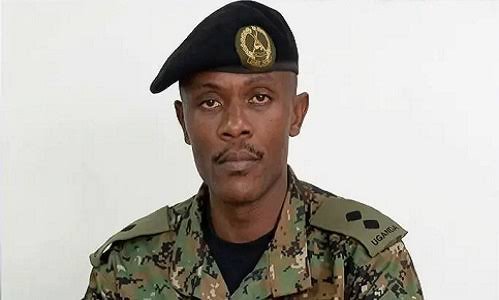
President Yoweri Kaguta Museveni and his son, Gen. Muhoozi Kainerugaba, the Chief of Defence Forces, have faced growing scrutiny from opposition leaders and human rights advocates over the conduct of Uganda’s security institutions.
Critics accuse the government of using security agencies to intimidate political opponents, suppress dissent and undermine democratic freedoms.
Reports of unlawful arrests, alleged torture, detention without access to lawyers and the disappearance of opposition supporters have raised concerns about the protection of fundamental rights under the Museveni administration.
Gen. Muhoozi, as head of the Uganda People’s Defence Forces (UPDF), has also faced criticism over public statements and the conduct of military personnel in politically sensitive cases.
Human rights advocates argue that military and security institutions must operate within the law and that allegations of abuse should be investigated independently, regardless of the rank or political position of those involved.
The Ugandan government and security agencies have faced repeated calls to account for alleged violations, disclose the whereabouts of missing persons and ensure that detainees receive fair treatment under the law.
Abductions and enforced disappearances
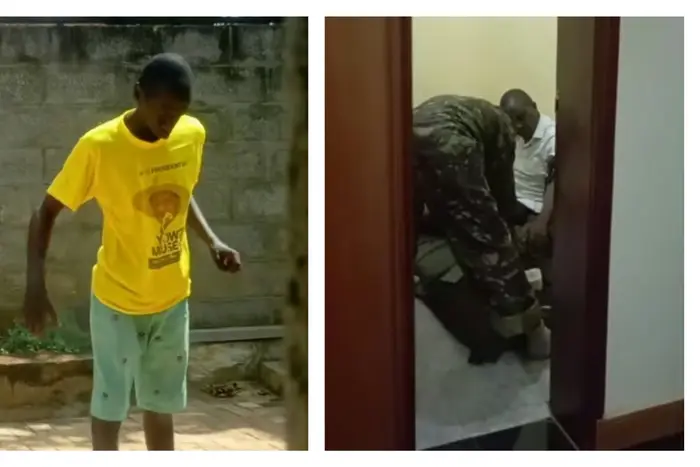
One of the most alarming human rights concerns in Uganda remains the reported abduction of political opponents and government critics by armed men, sometimes operating in unmarked vehicles.
Human Rights Watch reported in July 2026 that military personnel had seized government critics, raising concerns about arbitrary detention, enforced disappearance and the treatment of detainees.
The organization emphasized that Uganda has legal obligations to protect the right to liberty and security, prohibit arbitrary arrests and prevent enforced disappearances and ill-treatment.
The United Nations human rights system has also documented reports of enforced disappearances involving opposition supporters, including individuals whose whereabouts remained unknown for extended periods.
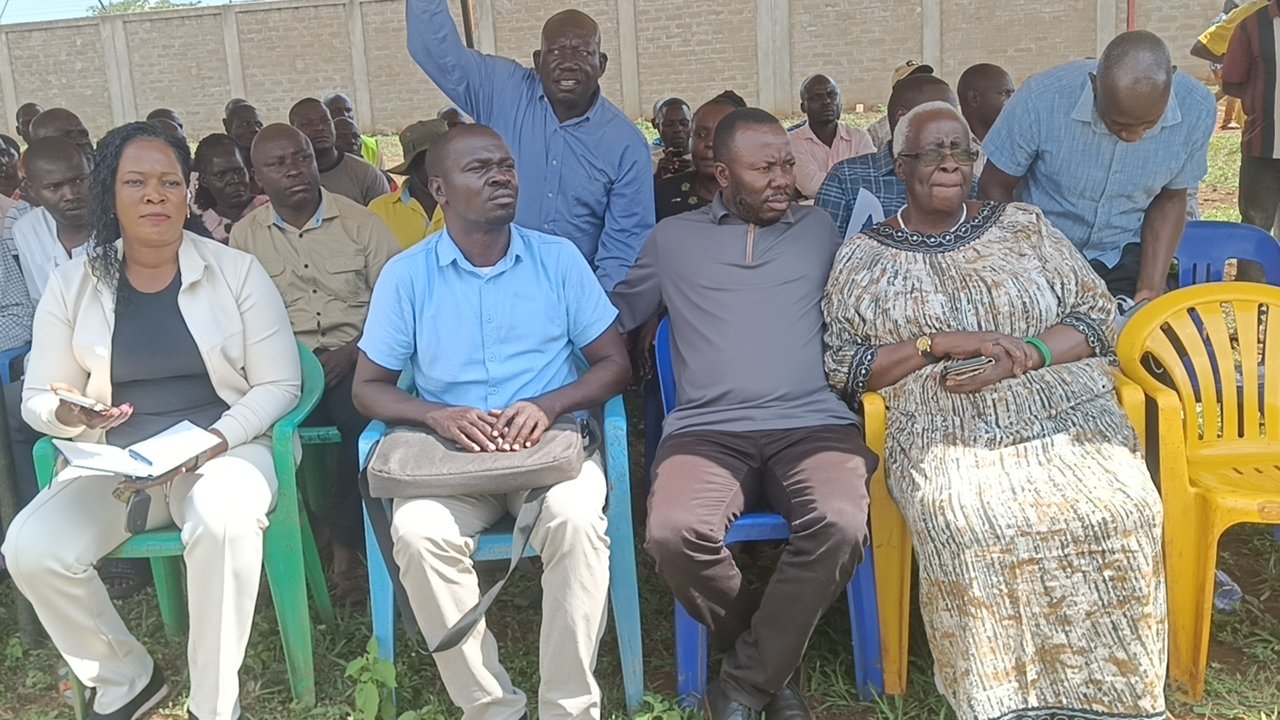
Families of missing persons have frequently demanded information about their relatives, access to legal representation and the right to know whether their loved ones are being held in official or unofficial detention facilities.
Human rights defenders say the practice of disappearing individuals creates fear in communities and discourages citizens from participating in political activities.
They are calling for the immediate disclosure of the whereabouts of all missing persons, the release of those unlawfully detained and independent investigations into allegations of torture and other abuses.
International solidarity and the demand for accountability
The October 30 commemoration at the Lincoln Memorial provided an opportunity for activists and former political prisoners to highlight the human cost of political imprisonment.
Bobi Wine’s participation brought renewed international attention to the situation in Uganda, particularly the detention of opposition figures and the treatment of political activists.
The October 30 Coalition and the National Endowment for Democracy have called on governments, civil society organizations and citizens worldwide to raise the cases of political prisoners, demand their release and support families affected by imprisonment.
For Uganda, the message from Washington is clear: political differences should not result in arbitrary detention, torture, enforced disappearance or the denial of fundamental freedoms.
As the country continues to face questions about democratic governance and the conduct of its security agencies, human rights defenders are urging President Museveni’s government to respect constitutional freedoms, end unlawful detention and ensure accountability for abuses.
Bobi Wine’s call for solidarity underscores the continuing struggle for political freedom in Uganda and the demand that every detained citizen be treated with dignity, due process and respect for their fundamental human rights.