





















Ugandan Opposition Leader Calls for Genuine Democracy, People’s Power and Accountability as Africa Marks 64 Years of Uganda’s Independence
PRINCETON, New Jersey — November 1, 2026
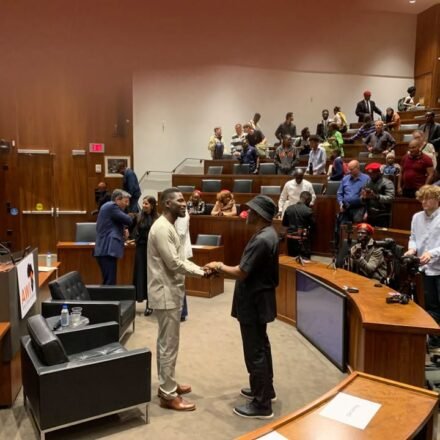
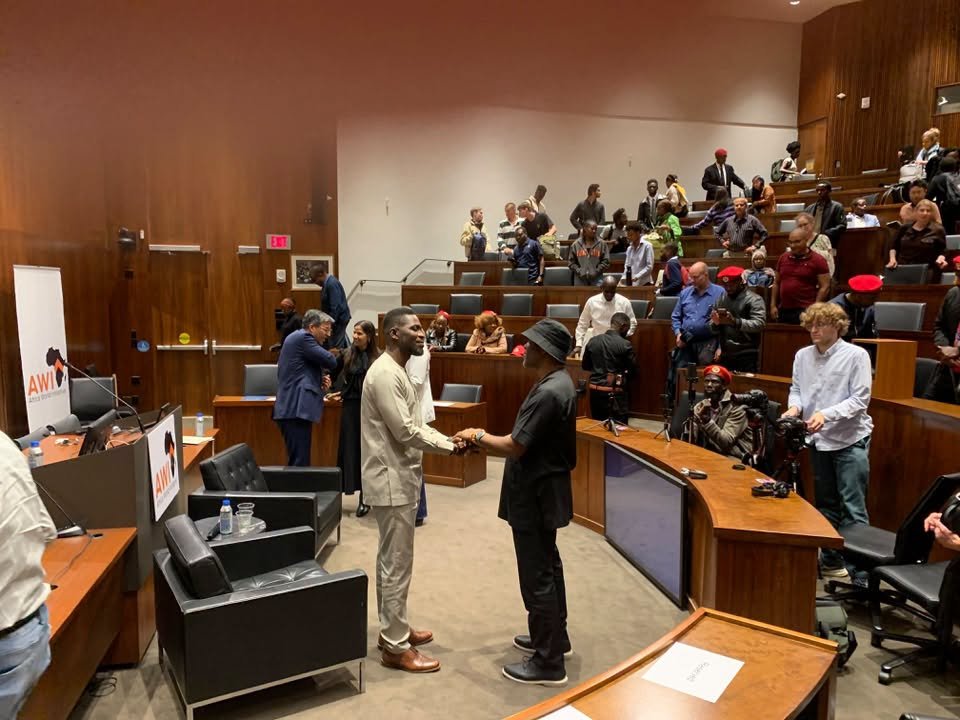
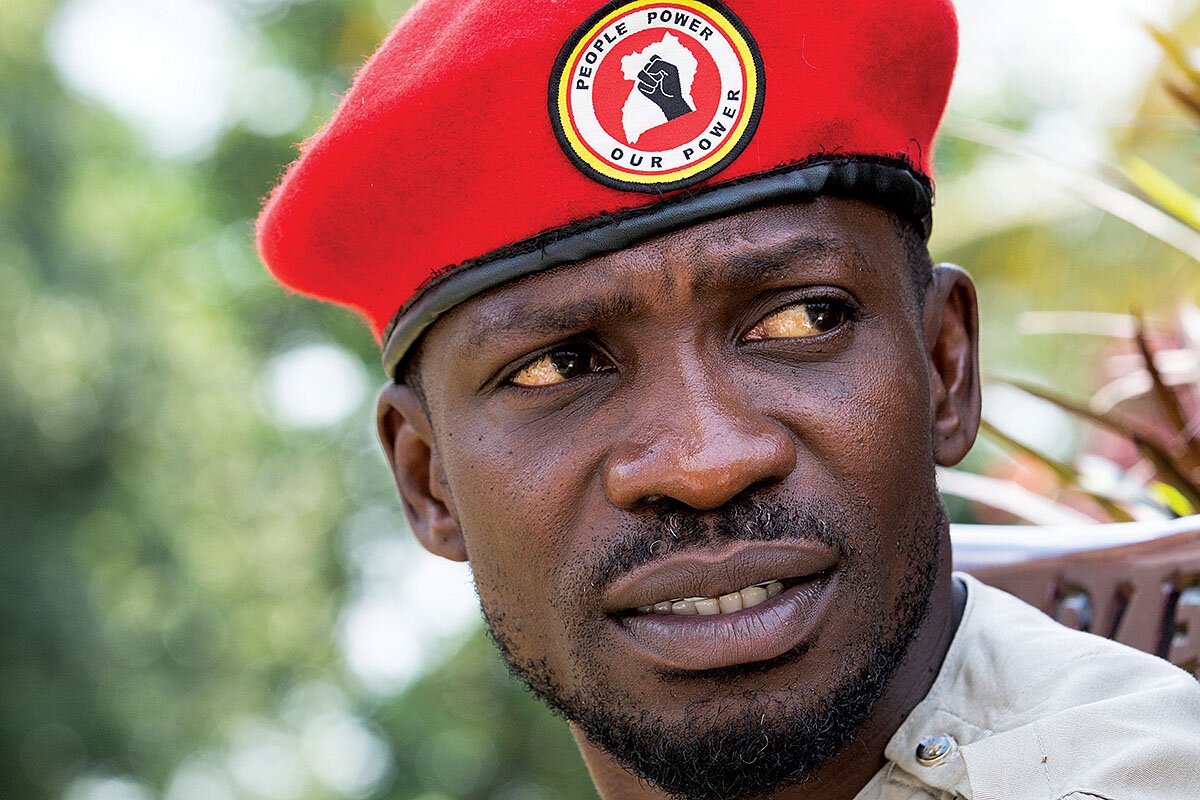
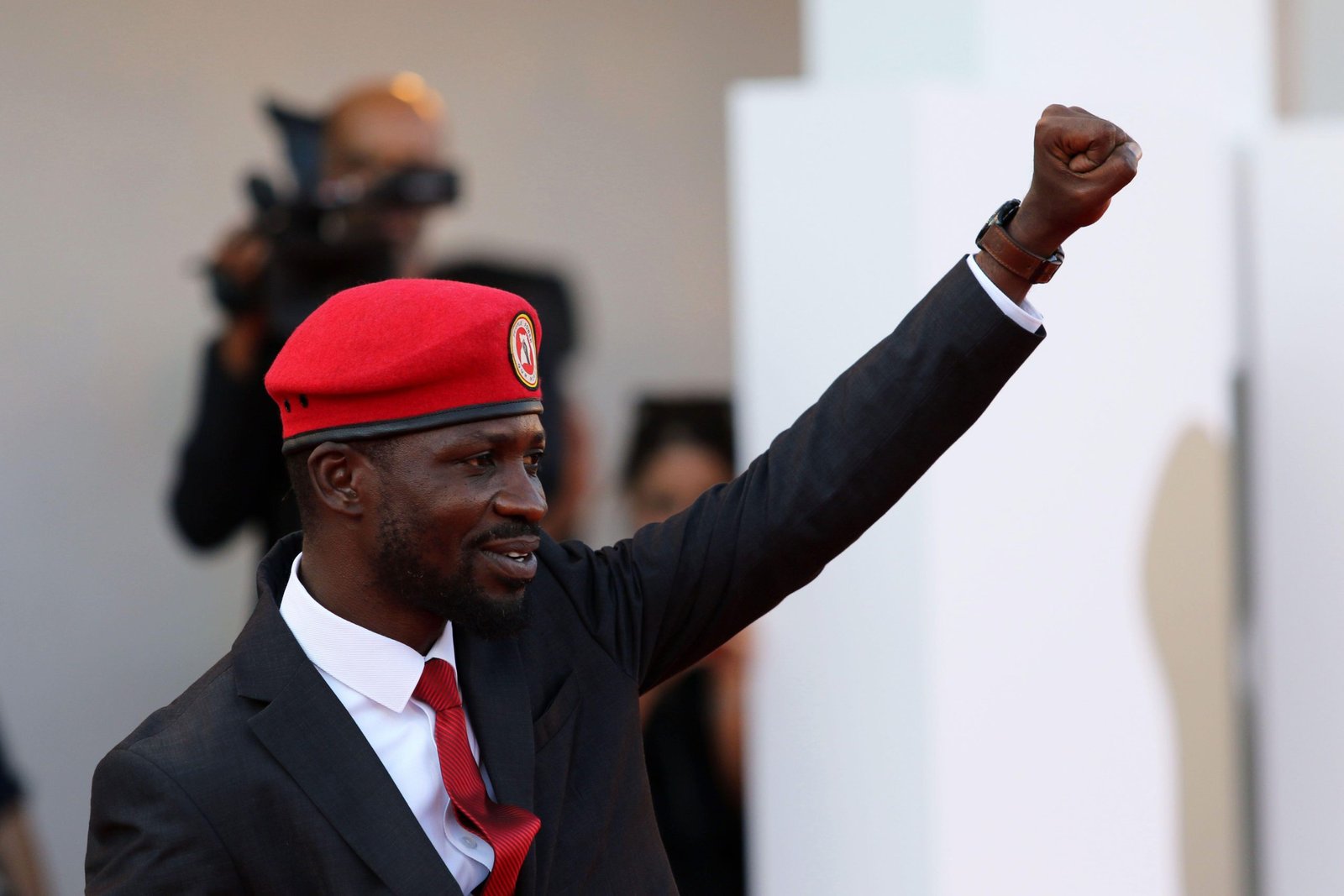
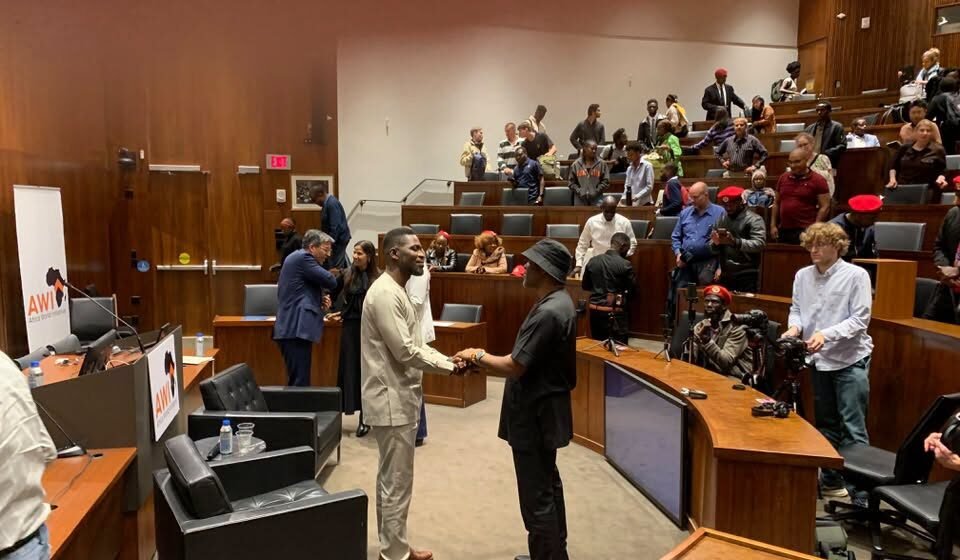
Ugandan opposition leader and National Unity Platform (NUP) president Robert Kyagulanyi Ssentamu, popularly known as Bobi Wine, has called for genuine democratic governance, accountable leadership and the empowerment of African citizens during an address to students and faculty at Princeton University in the United States.
Speaking on October 31, Bobi Wine used Uganda as a case study to examine Africa’s place in the world, arguing that the continent cannot achieve meaningful sovereignty while its citizens remain powerless and unable to freely determine their political future.
His address came as Uganda marked its 64th Independence Anniversary, renewing discussions about the meaning of independence, democratic governance and the relationship between African governments and their citizens.
“The overarching theme of my address, especially as Uganda just celebrated its 64th independence, was that Africa cannot be sovereign while Africans remain captive. It cannot be powerful while its people remain powerless,” Bobi Wine stated.
The opposition leader argued that genuine sovereignty must extend beyond the independence of governments from foreign control to include the ability of ordinary citizens to influence decisions affecting their lives.
Credible elections and the people’s right to choose
Bobi Wine emphasized that Africans must have a genuine opportunity to choose their leaders through credible democratic processes whose outcomes reflect the will of the electorate.
He argued that elections cannot be considered democratic when citizens are denied meaningful influence over political decisions or when electoral outcomes fail to reflect their choices.
The NUP leader said democratic participation must extend beyond voting, insisting that citizens should retain the freedom to criticize their leaders, demand accountability and influence public policy.
“Otherwise, democracy becomes a sham periodic exercise in which Africans temporarily participate in selecting their next captors,” he warned.
His remarks reflect longstanding opposition concerns about Uganda’s electoral processes, political freedoms and the treatment of government critics.
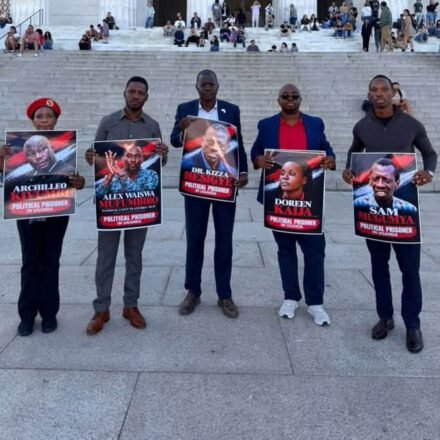
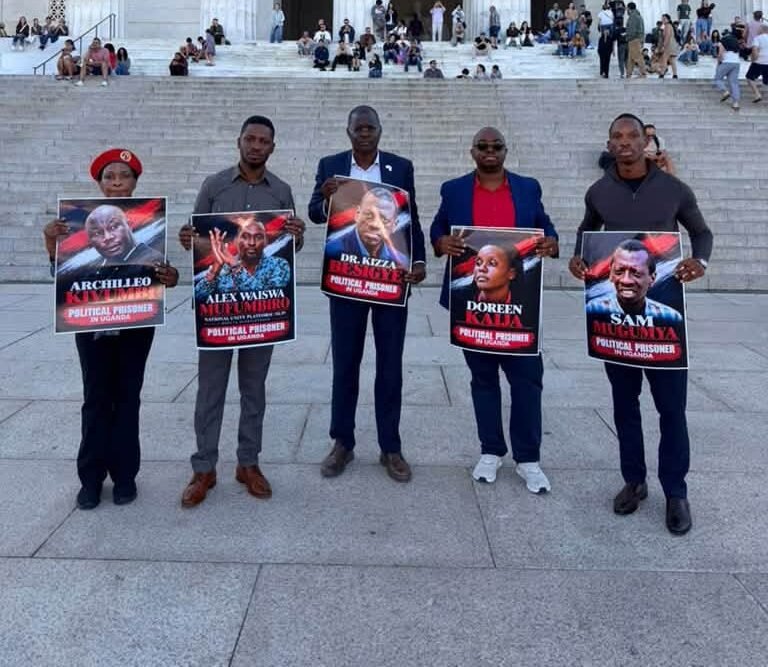
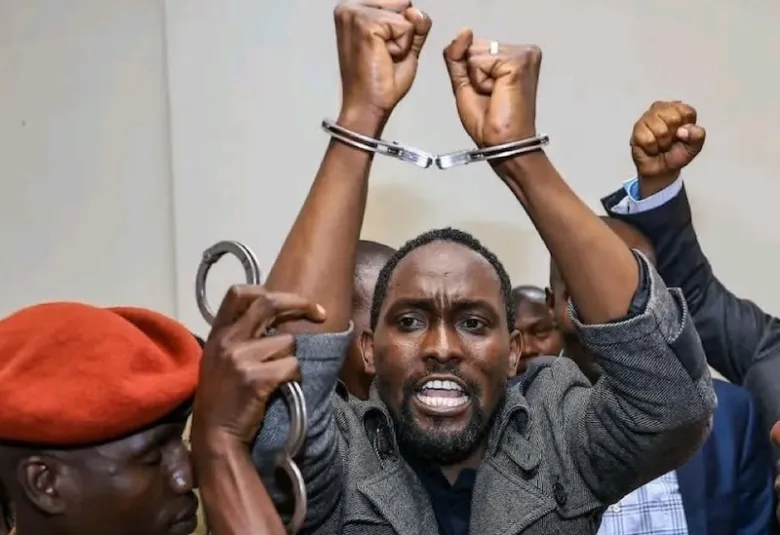
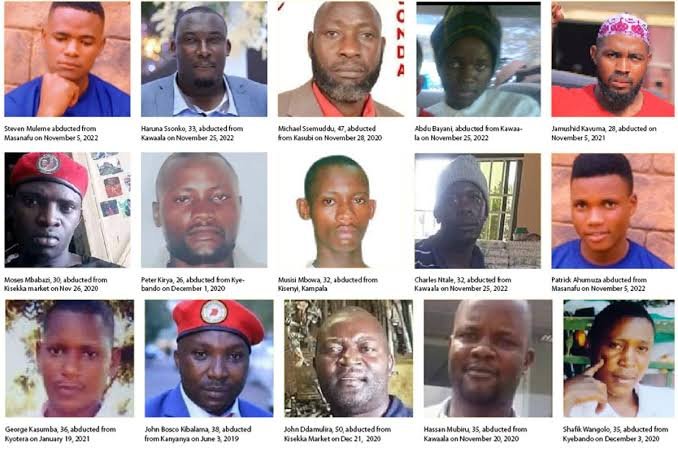
Uganda has faced repeated criticism from opposition groups and human rights organizations over allegations of electoral irregularities, arbitrary arrests, restrictions on political gatherings and the suppression of dissent.
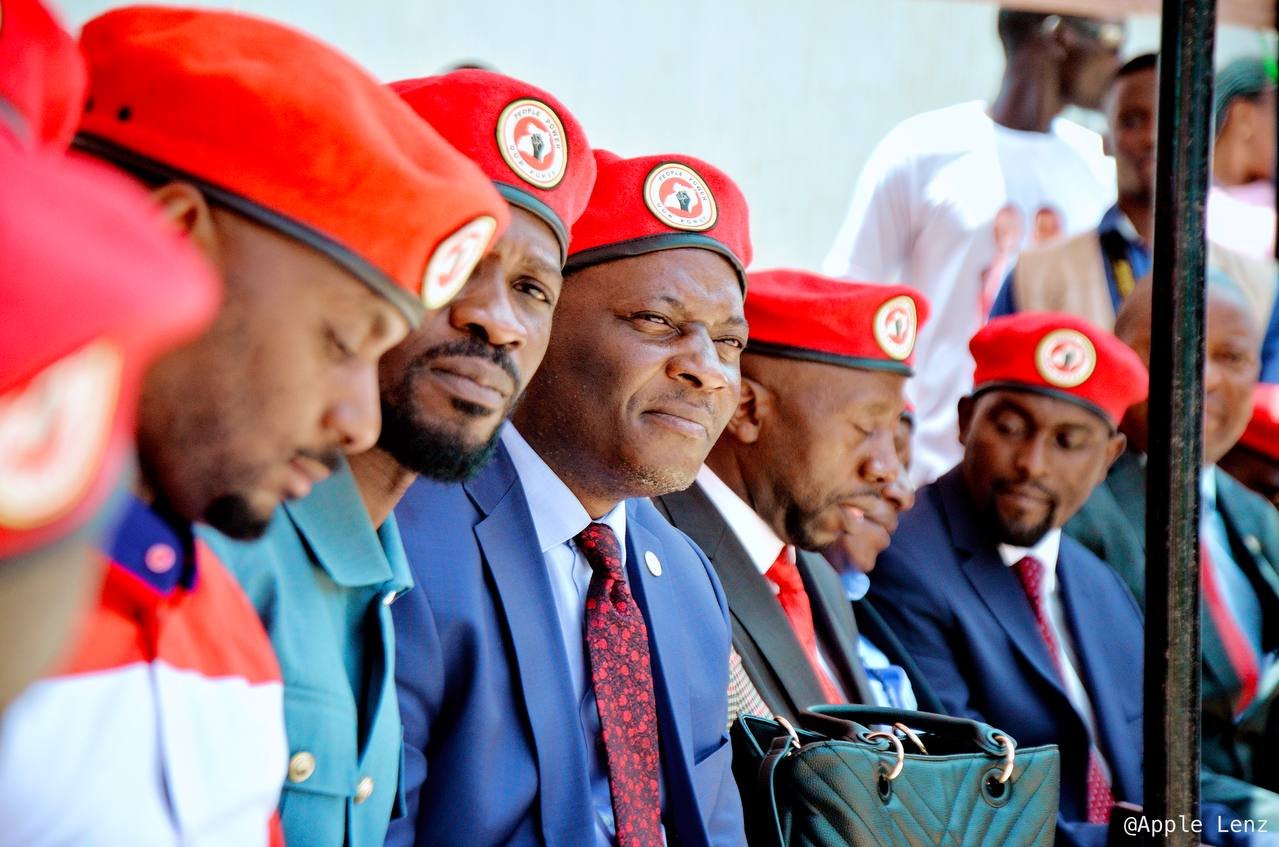
Bobi Wine, who has challenged President Yoweri Kaguta Museveni’s government, has consistently called for electoral reforms and greater protection of civil liberties.
Africa must build accountable democratic institutions
During his address, Bobi Wine acknowledged that African countries do not need to blindly imitate the political institutions of other societies.
Instead, he argued that African nations must develop democratic institutions that are legitimate, responsive and rooted in the needs of their citizens.
He called for states that are strong enough to govern effectively but not so powerful that citizens become helpless in the face of government authority.
The opposition leader maintained that state power must be balanced by accountability and the protection of fundamental rights.
His argument challenges the notion that national sovereignty should be used as a shield against criticism of governments or scrutiny of alleged human rights violations.
According to Bobi Wine, sovereignty belongs fundamentally to the people, and governments must remain accountable to the citizens they serve.
Sovereignty must not shield governments from accountability
Bobi Wine also addressed the relationship between African sovereignty and international engagement, arguing that governments must not use sovereignty as an excuse to avoid accountability.
He said legislation intended to protect national sovereignty should be narrowly designed to safeguard the ability of citizens to determine their own future without illegitimate foreign interference.
The opposition leader stressed that international engagement with Africa should ultimately support the empowerment of African people rather than reinforce the power of ruling governments.
His remarks come amid ongoing debates over foreign investment, international diplomacy, human rights and the role of external partners in African political affairs.
For Uganda, the question of sovereignty has frequently featured in debates over political freedoms, governance and international criticism of government policies.
Bobi Wine’s position is that genuine independence must be measured not only by a country’s freedom from foreign domination but also by the freedom of its citizens from political oppression.

A message to Africa and the international community
Bobi Wine concluded his reflections by warning that Africa’s continued marginalization and political disempowerment carry consequences beyond the continent.
He argued that the international community’s engagement with Africa should support democratic governance, citizen empowerment and the protection of human rights.
His address at Princeton University placed Uganda’s political experience within a broader African debate about independence, democracy and the future of the continent.
As African nations continue to confront questions of governance and political legitimacy, Bobi Wine’s message was that independence cannot be complete when citizens lack the power to shape their own destiny.
The central question raised by his address remains whether African governments can build strong, sovereign states while ensuring that the people—not those who govern them—remain the ultimate holders of political power.