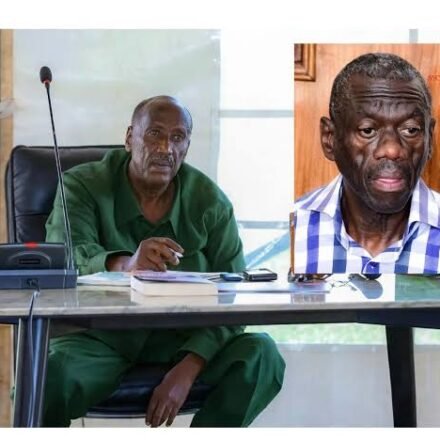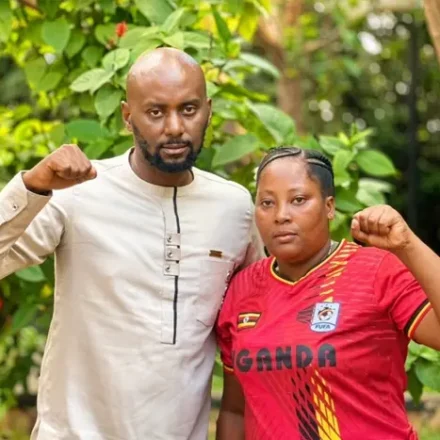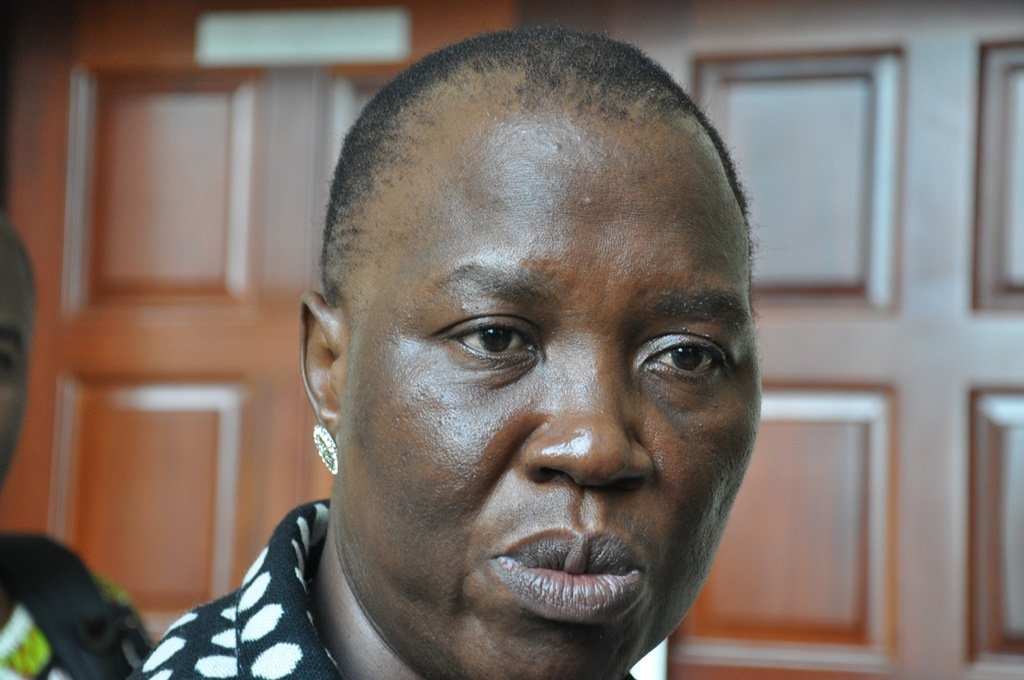
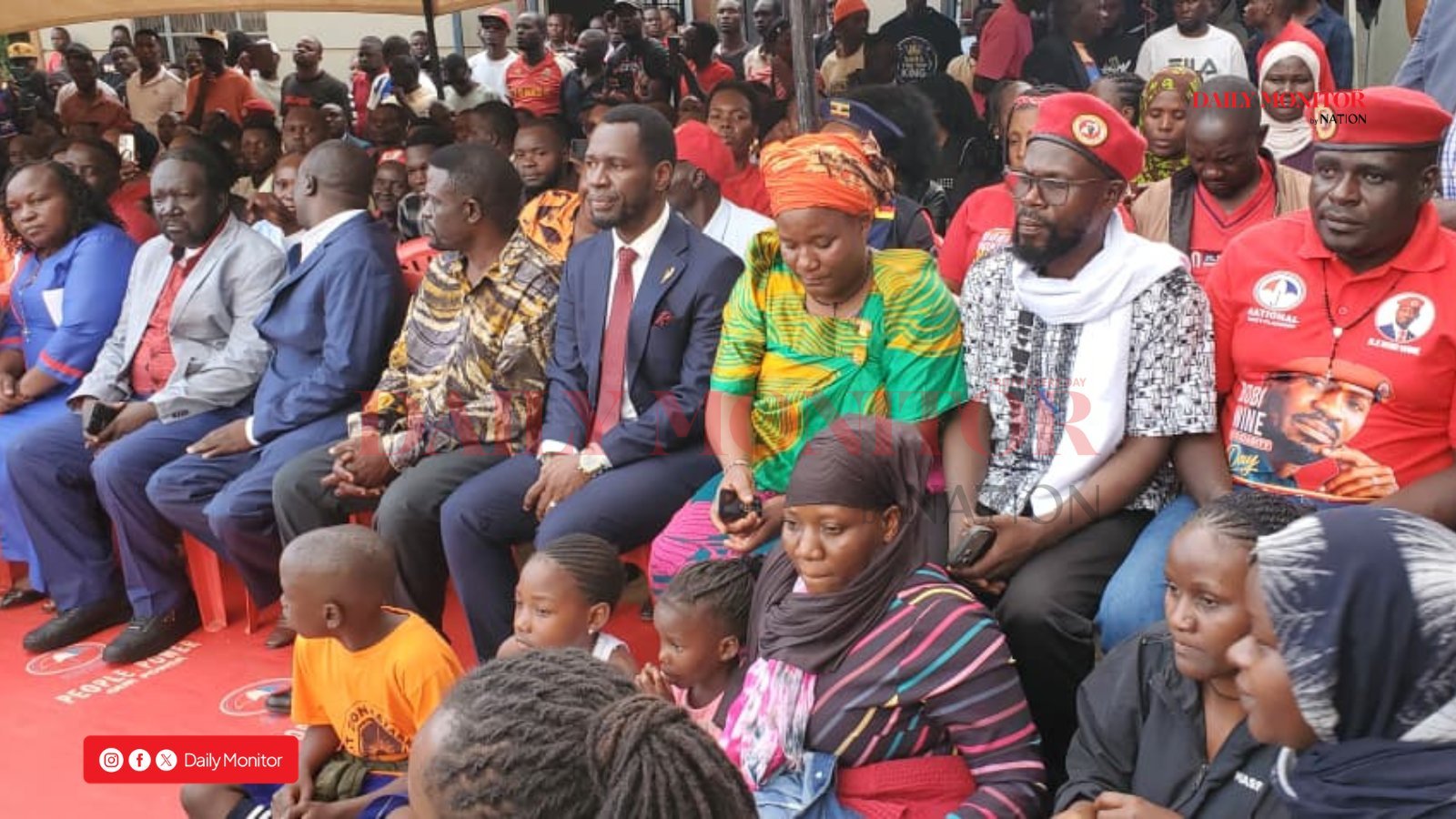
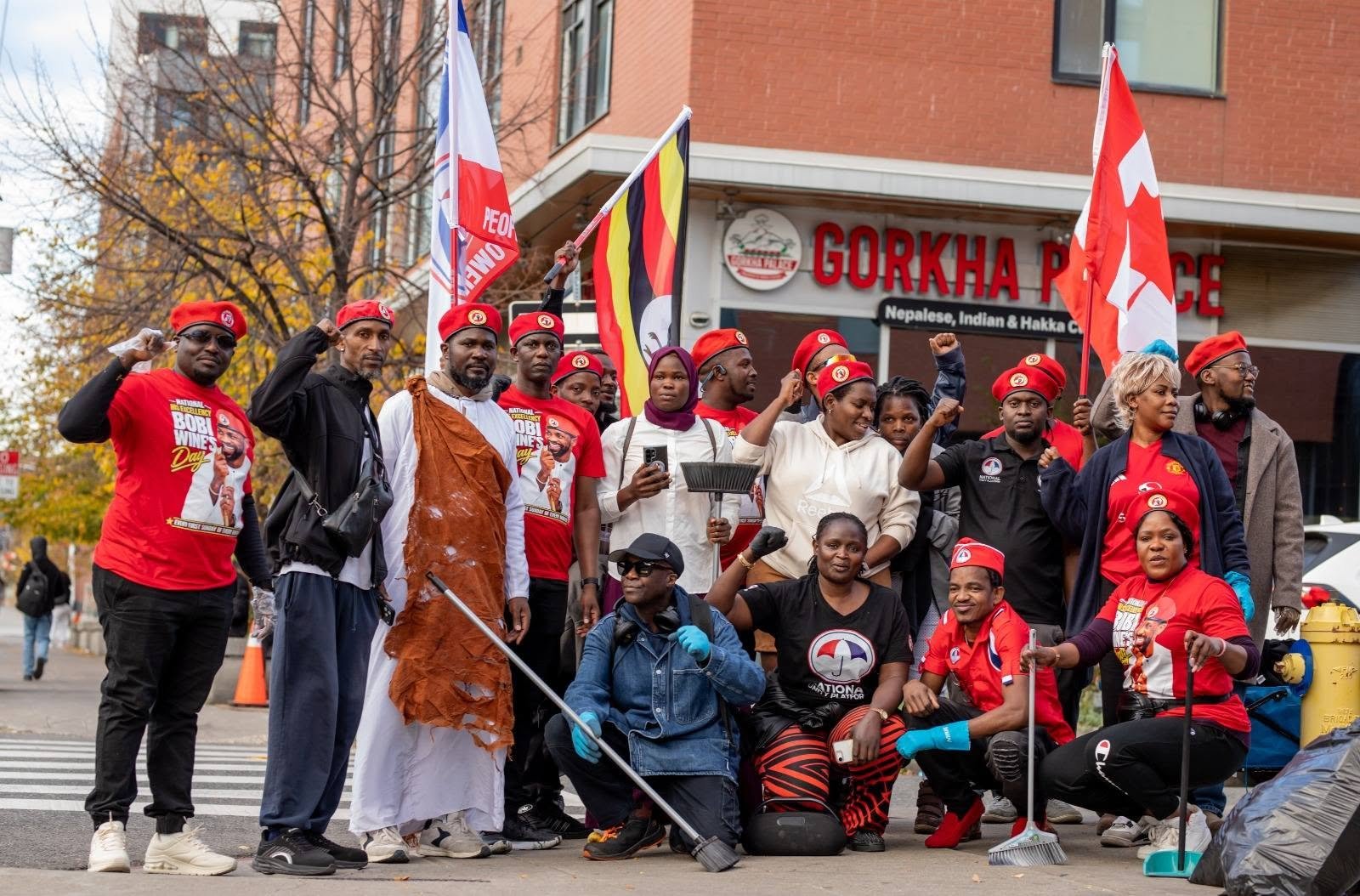
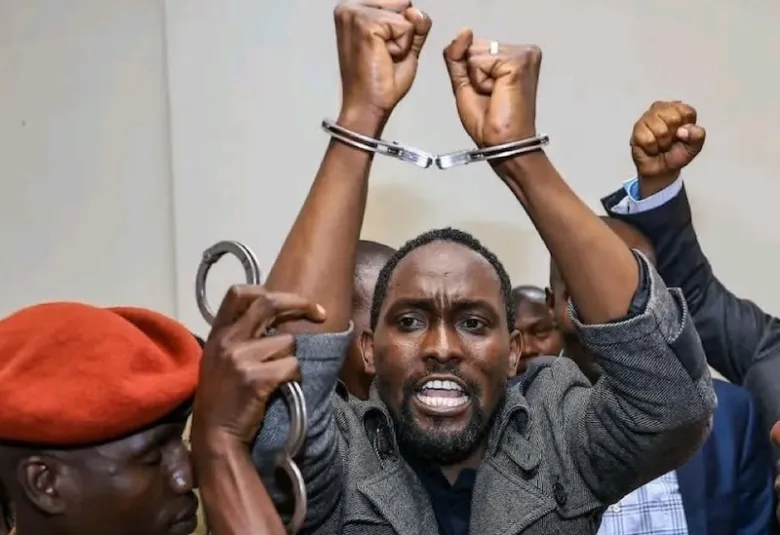
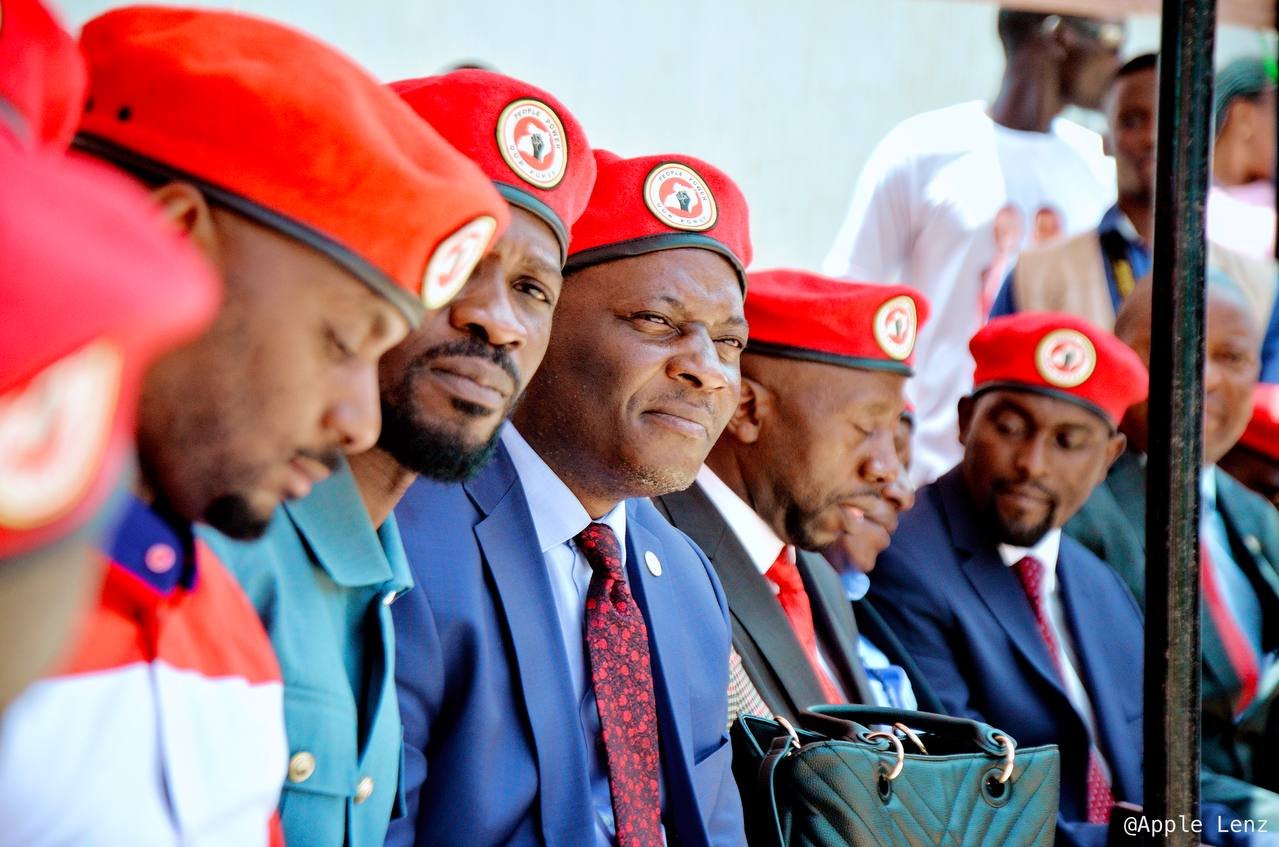
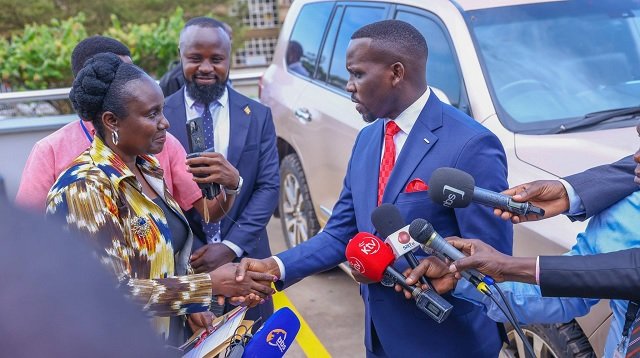

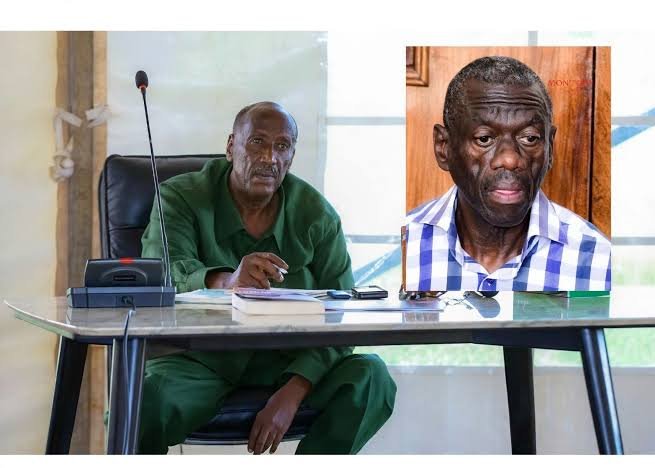

Ugandan opposition politician Ibrahim Ssemujju Nganda has launched a fresh criticism of the government, questioning the circumstances surrounding the medical treatment and continued detention of opposition figure Dr. Kizza Besigye, as concerns grow over the safety of opposition leaders in Uganda.
Ssemujju, the Secretary General of the People’s Front for Freedom (PFF), is among several opposition figures who have reportedly fled Uganda following threats to their lives.
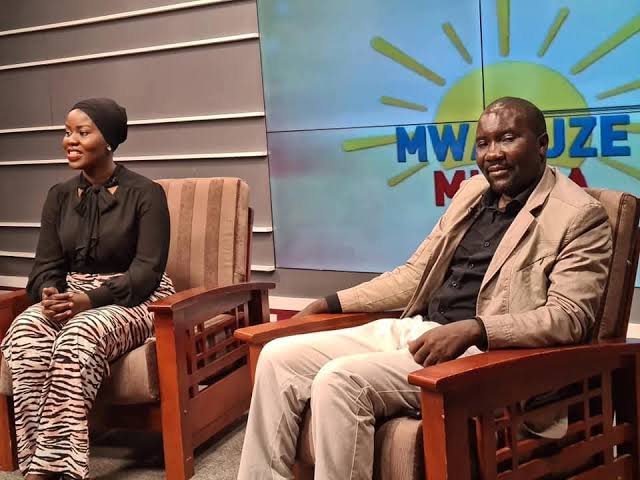
In a televised discussion, Ssemujju responded to reports concerning General Salim Saleh’s visit to Besigye, suggesting that the senior military figure may have been sent to establish the seriousness of Besigye’s health condition.
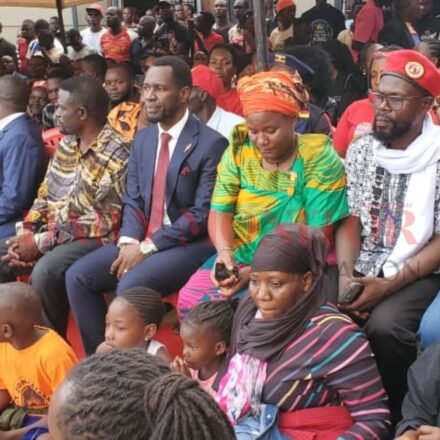
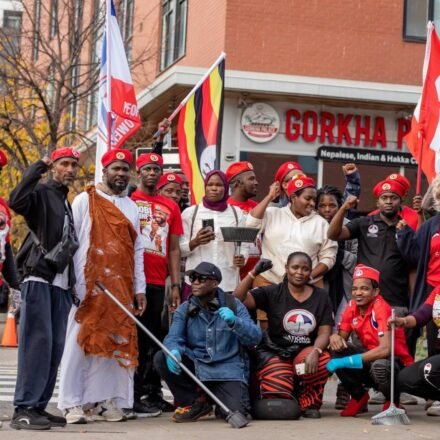
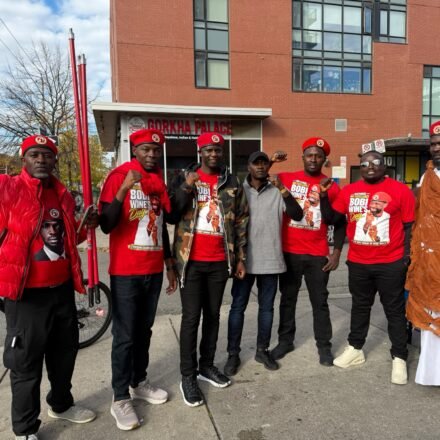
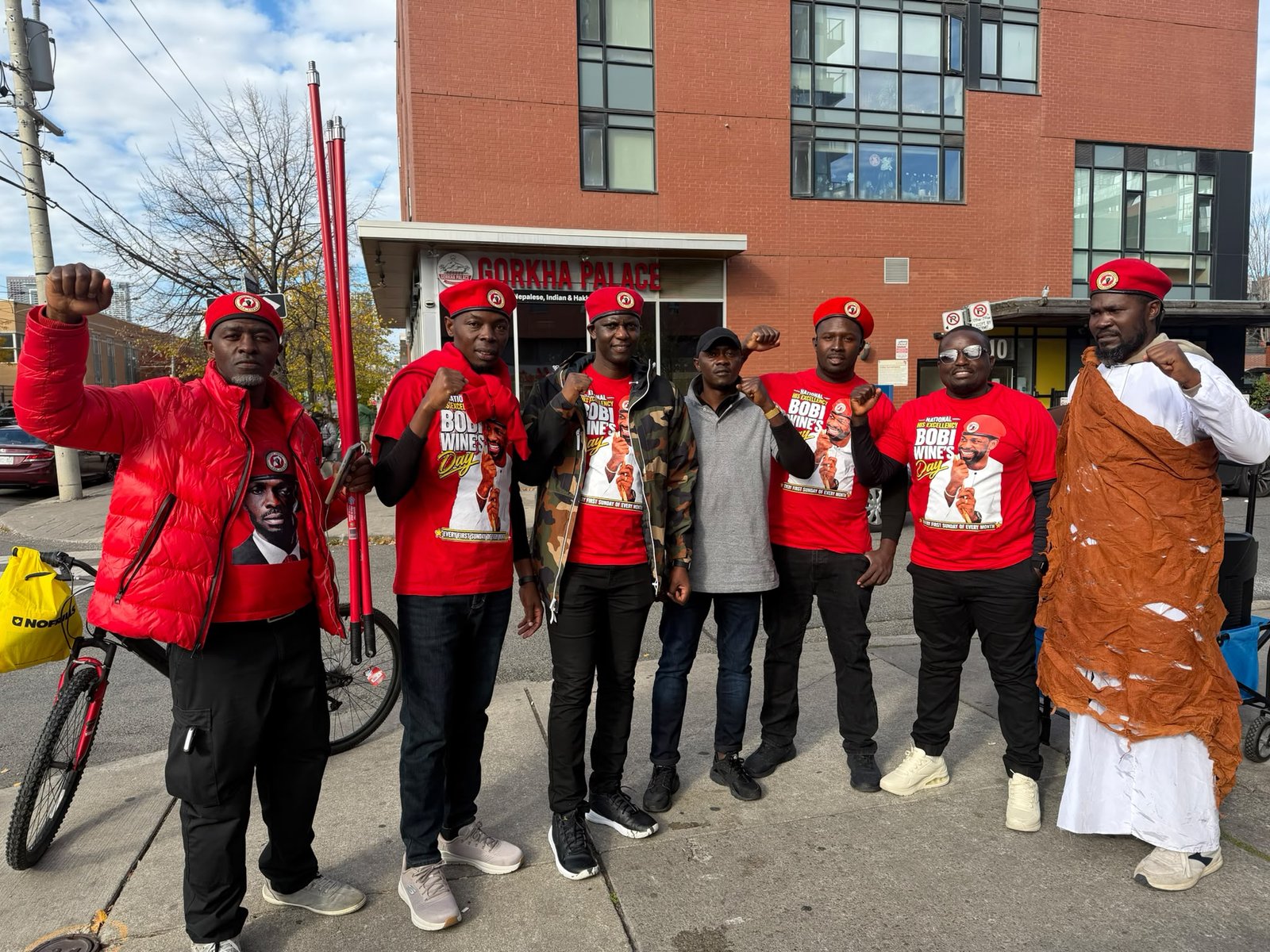
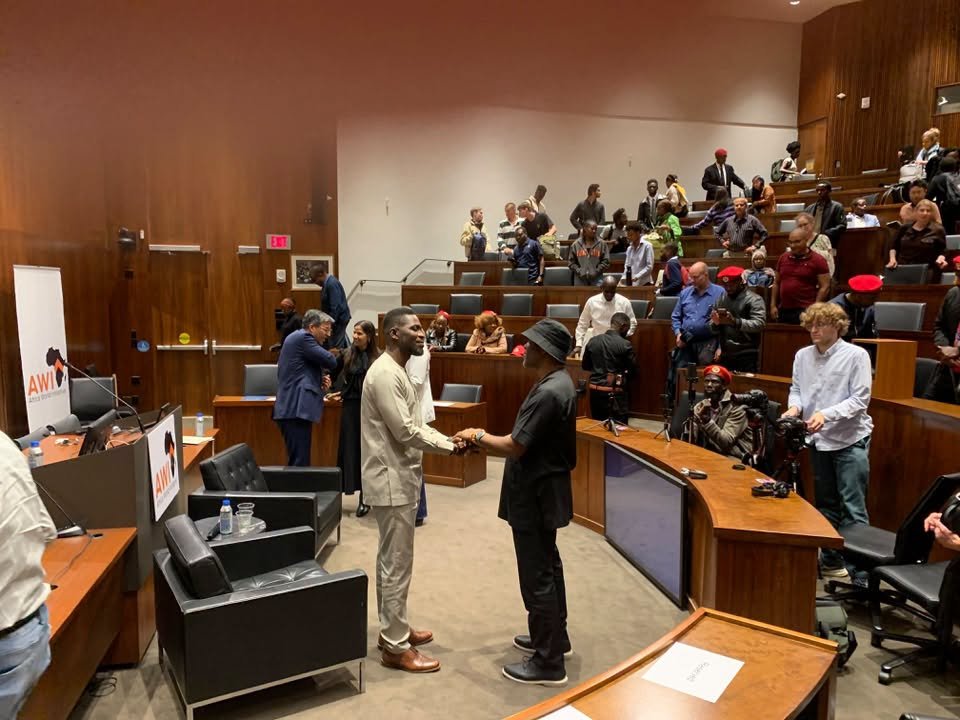
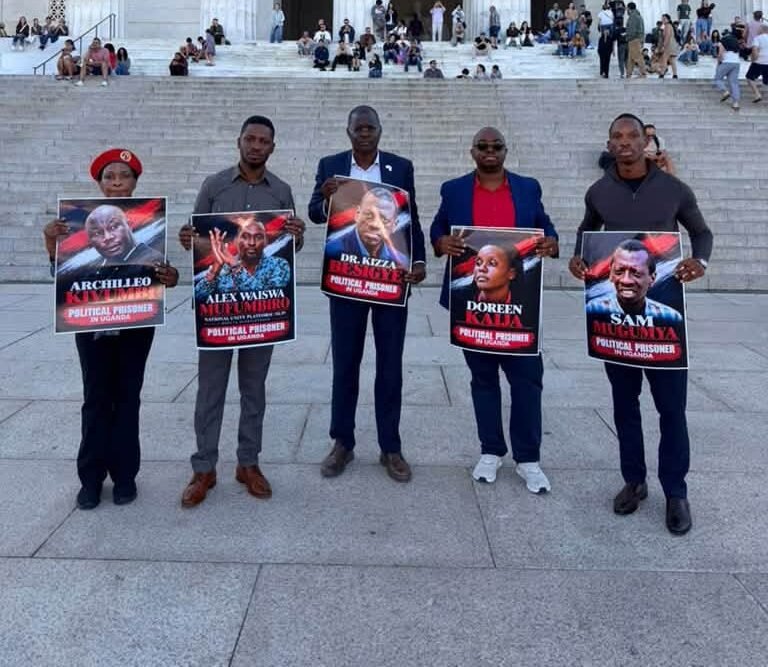
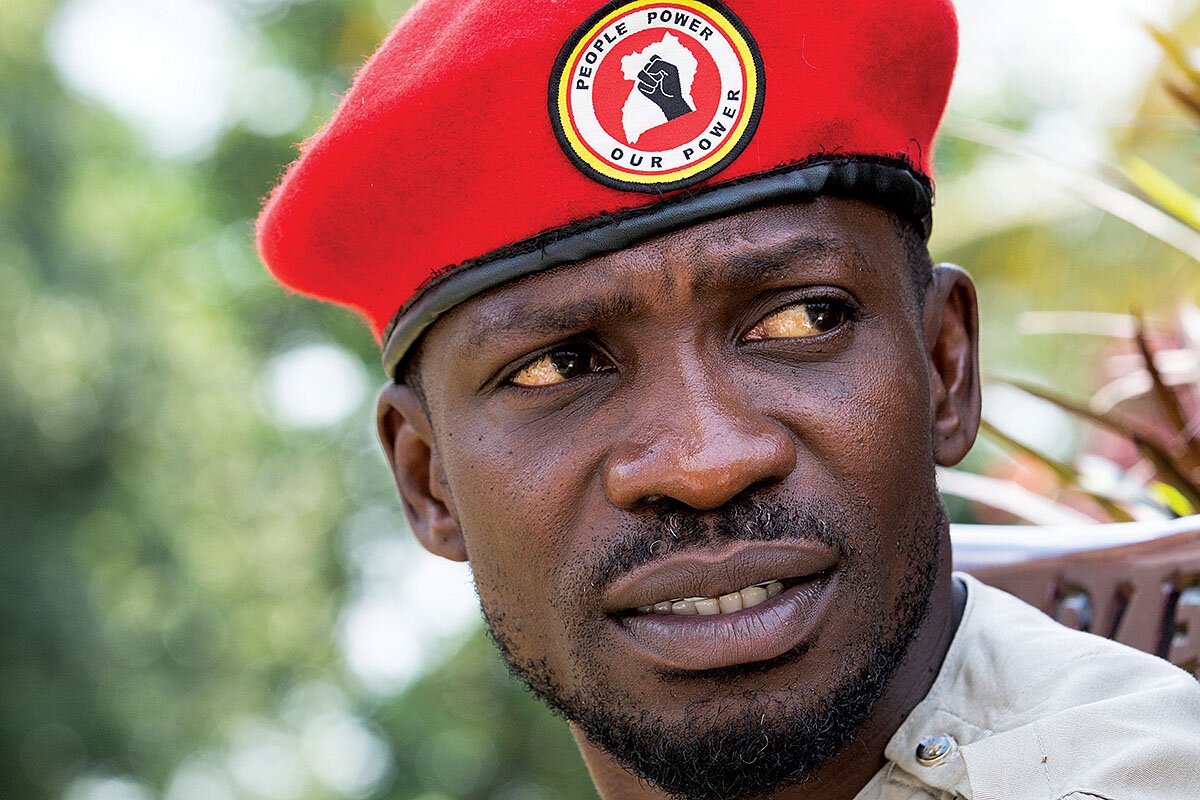
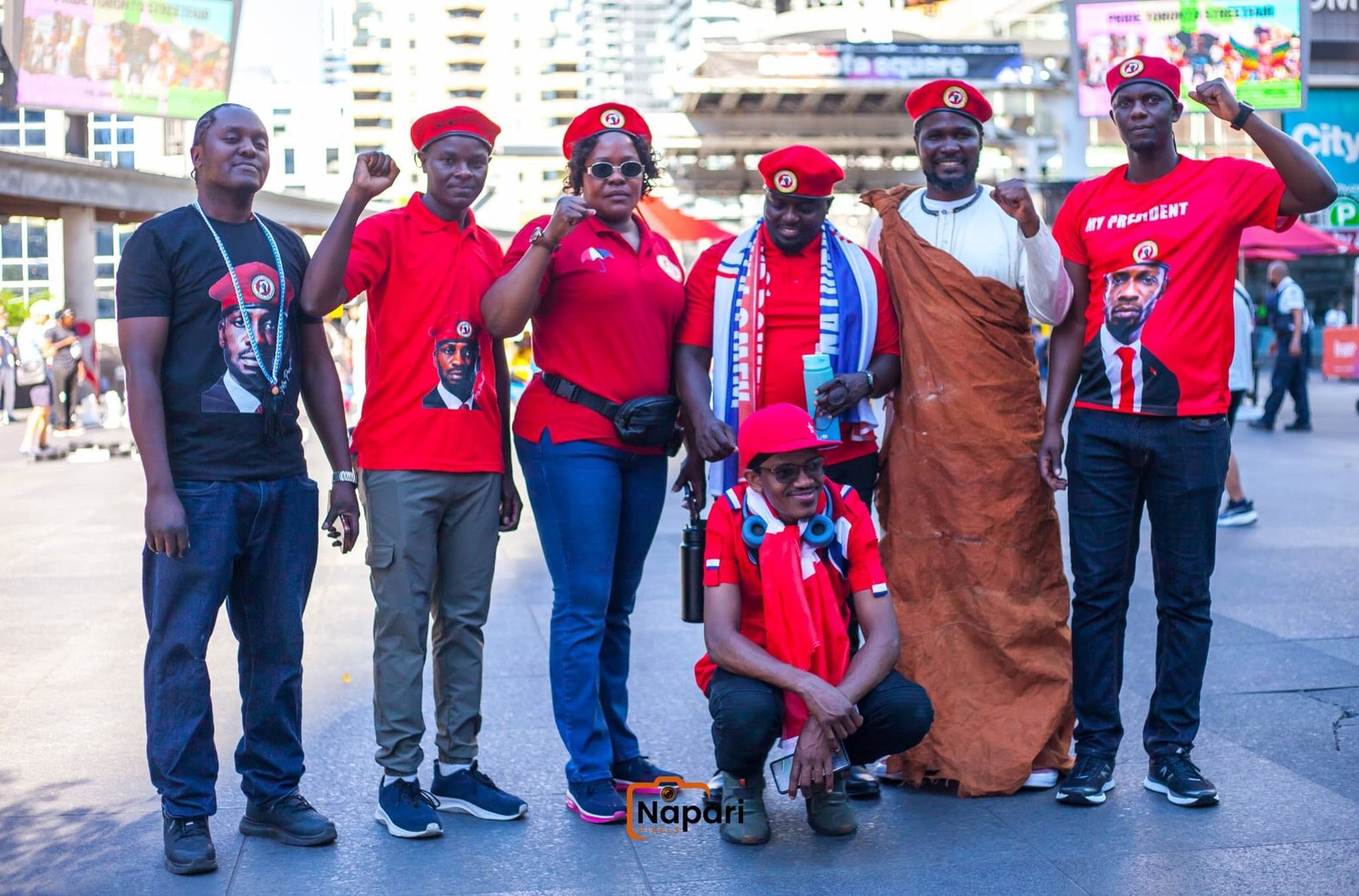
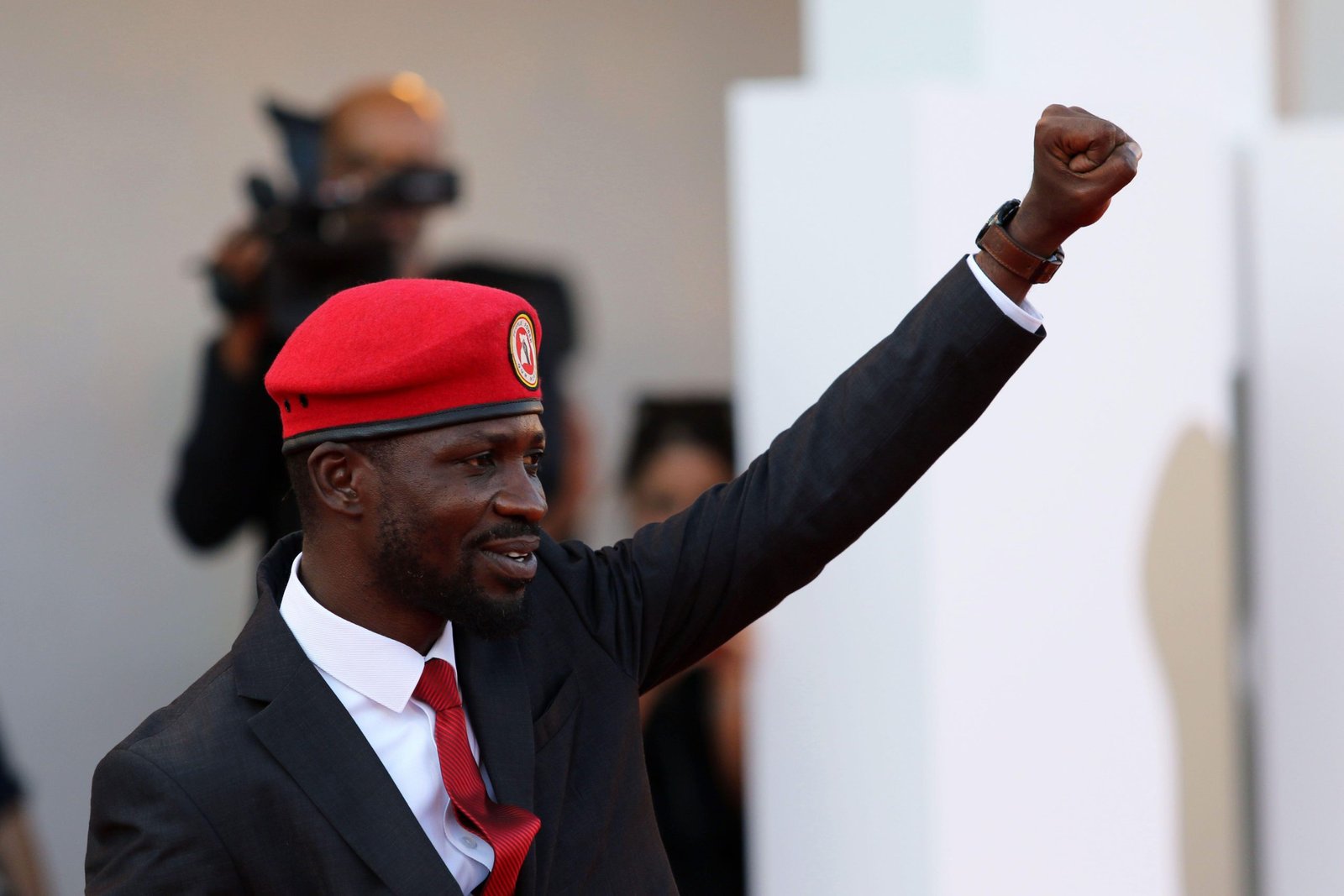
His remarks come amid reports that several prominent opposition figures, including National Unity Platform (NUP) leader Robert Kyagulanyi Ssentamu, commonly known as Bobi Wine, have left Uganda, while others remain in detention.
The developments have raised renewed questions about Besigye’s access to medical care, the role of security agencies in his treatment and the broader political tensions surrounding Uganda’s leadership.
Ssemujju: Besigye Remains a Prisoner Despite Being Moved to Medical Facility
Ssemujju argued that Besigye’s transfer to the Joint Clinical Research Centre (JCRC) should not be interpreted as a release from detention, describing the facility as a prison-like environment rather than a place providing comprehensive medical treatment.
According to Ssemujju, Besigye’s medical care is being provided primarily by doctors from outside the facility, including members of his medical team.
He claimed that access to Besigye remains heavily restricted, with visitors reportedly required to obtain clearance before being allowed to see him.
Ssemujju further alleged that Besigye’s family members and associates have faced difficulties accessing him, raising concerns about transparency surrounding his condition and treatment.
The opposition politician described Besigye’s reported recovery as a difficult process, claiming that he has required rehabilitation, including language therapy, following a period of serious illness.
These claims were made by Ssemujju during the discussion and have not been independently verified in this report.
Questions Over General Saleh’s Reported Visit
Addressing the reported visit by General Salim Saleh, Ssemujju suggested that the senior military figure may have been sent to establish the severity of Besigye’s condition.
Ssemujju questioned the circumstances surrounding the visit, arguing that Besigye’s condition had become a matter of significant concern.
He suggested that the visit could have been connected to concerns within the ruling family about Besigye’s health.
Ssemujju said he believed Saleh may have been tasked with confirming whether Besigye was critically ill, although he acknowledged that he was expressing his own interpretation of the reported events.
The remarks add another dimension to the ongoing political debate surrounding Besigye’s detention and the government’s handling of his medical situation.
Ssemujju Says He Fled Uganda After Muhoozi Threat
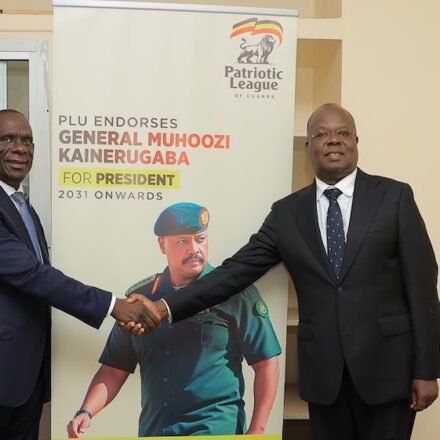
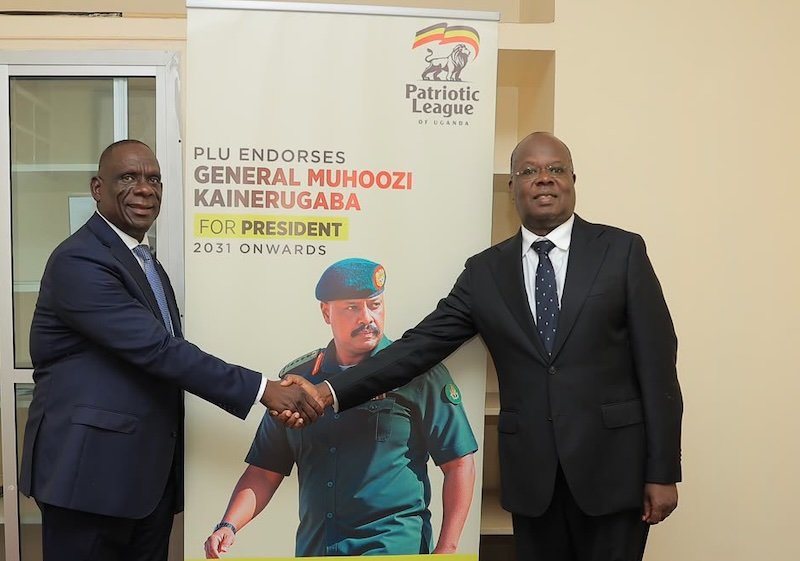
Ssemujju has said he decided to remain outside Uganda after receiving threats from Chief of Defence Forces General Muhoozi Kainerugaba.
According to remarks reported by The Observer, Ssemujju left Uganda on June 17 after Muhoozi reportedly threatened to take him to a military detention facility commonly referred to as a “basement.”
Ssemujju explained that his initial journey to Saudi Arabia was intended for Umrah, but he later faced a decision about whether to return to Uganda.
“I left Uganda to go and perform umrah in Saudi Arabia, but after the umrah, I had to make a decision whether to return or not,” Ssemujju said.
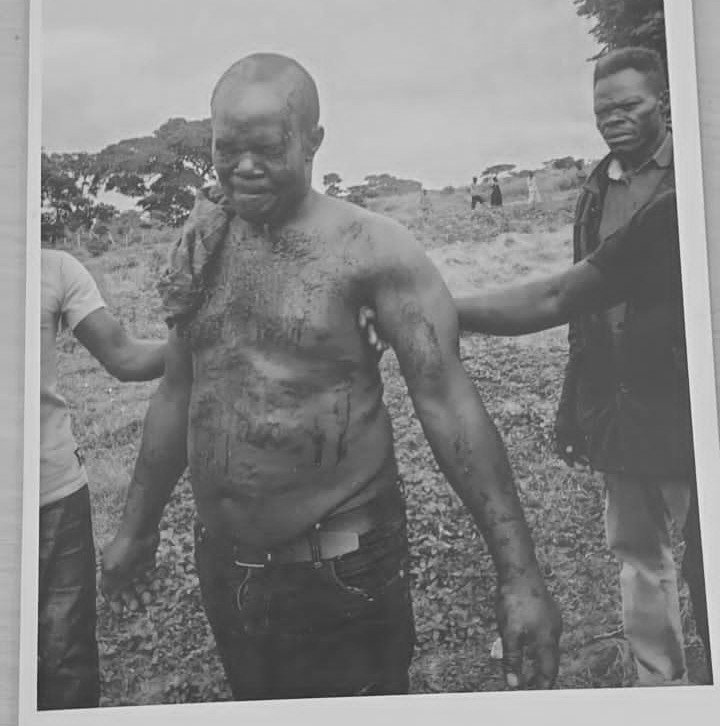
He recalled that Muhoozi had threatened to take him to a basement, where he feared he could be tortured before being charged and transferred to a conventional prison.
Ssemujju said he considered whether he would be more useful to Uganda’s political struggle while imprisoned or while remaining free outside the country.
He said he would eventually return to Uganda, describing it as the only home he has, and pledged to continue contributing to efforts to improve the country’s political situation.
“I will come back to Uganda, because it’s the only home I have. I also want to make a commitment to continue making a contribution to the betterment of the situation at home,” he said.
Ssemujju has declined to disclose his current location.
At Least Five Opposition Figures Reportedly Flee Uganda
Ssemujju’s departure is part of a broader pattern involving opposition politicians and activists who have reportedly left Uganda amid concerns over their safety.
According to information published by The Observer, at least five prominent opposition figures have recently fled the country or decided to remain abroad.
The first was Robert Kyagulanyi Ssentamu, the president of the National Unity Platform, Uganda’s largest opposition political party.
Kyagulanyi reportedly left Uganda for the United States in late January following the 2026 presidential election, in which President Yoweri Kaguta Museveni was declared the winner with 71.65 per cent of the vote.
Ssemujju was the second prominent opposition figure reported to have left the country.
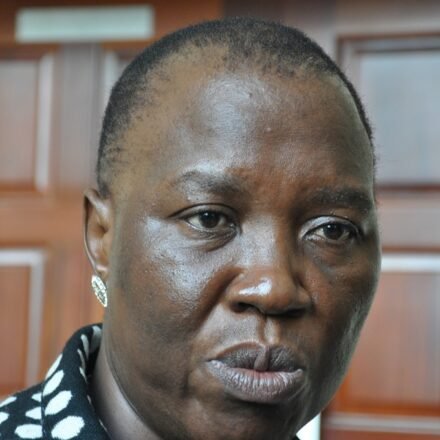
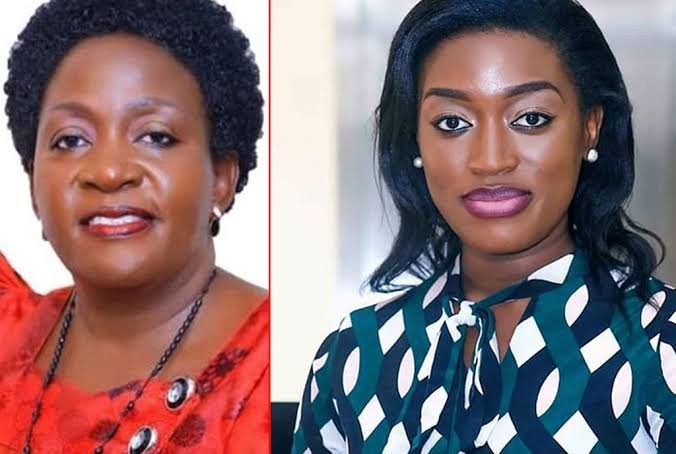
Other figures reportedly staying outside Uganda include Eron Kiiza, a lawyer for Besigye; Winnie Kiiza, former Leader of the Opposition in Parliament and former Kasese Woman MP; and Dr Lina Zedriga Waru, the deputy president of NUP.