






By Alexander Luyima | The Hoima Post
November 19, 2026
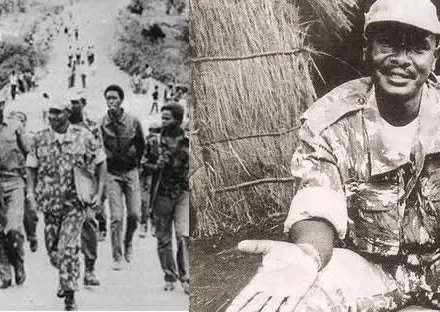
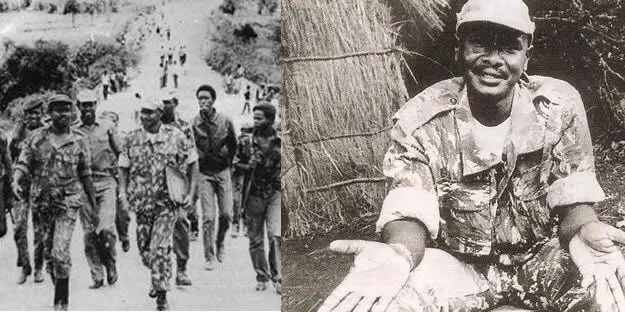
Since January 1986, when Yoweri Kaguta Museveni and the National Resistance Movement (NRM) took power, Uganda has experienced four decades of uninterrupted leadership under the same political establishment. The government came to power promising stability, national reconstruction and an end to the political violence that had characterised previous administrations.
Forty years later, Uganda has made significant developments in infrastructure, education, industrialisation and public services. Yet these achievements exist alongside persistent poverty, unemployment, public corruption, political repression and growing questions about the accountability of those entrusted with governing the country.
The central question is no longer simply how the NRM has remained in power for forty years. It is what ordinary Ugandans have gained, what they have lost and what price they have paid for demanding a different political future.
The economics of political power
Uganda’s development ambitions have been accompanied by substantial public expenditure, taxation and borrowing. However, the distance between government promises and measurable results remains a serious concern.
Kiira Motors Corporation, promoted as a flagship symbol of Uganda’s industrial transformation, illustrates this challenge. Billions of public resources have been committed to developing a local automotive industry, yet the corporation’s financial performance and governance have attracted considerable scrutiny.
The Auditor General’s 2023/2024 findings revealed that Kiira Motors projected approximately UGX 197.49 billion in revenue but collected only UGX 2.345 billion. The audit also raised concerns about unutilised funds, inventory without insurance cover and governance arrangements.
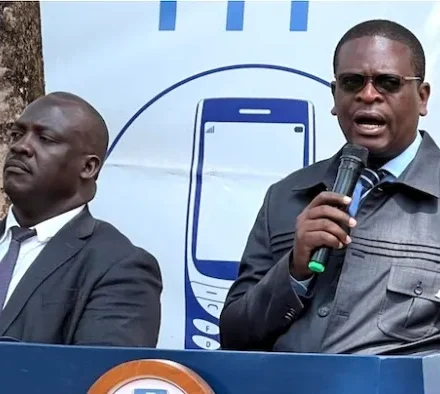
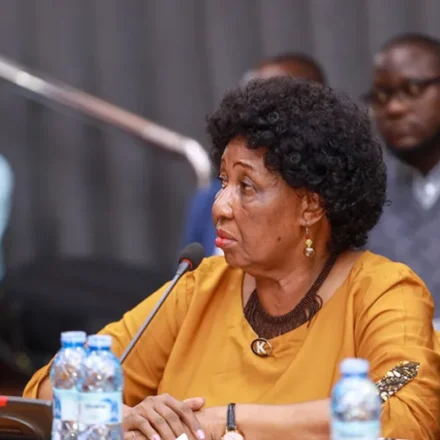
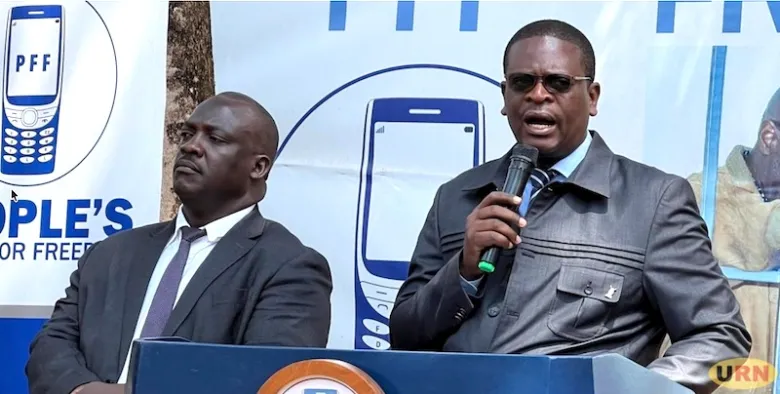
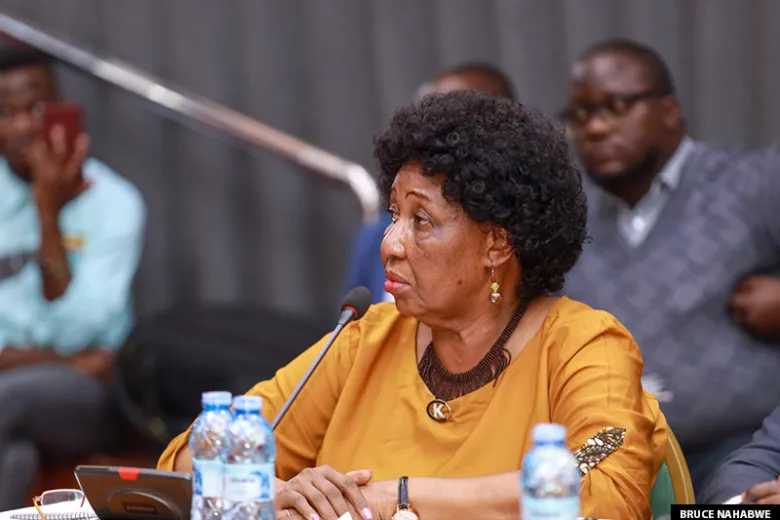
In November 2026, parliamentary scrutiny intensified after COSASE questioned the ownership and management arrangements involving E-Bus Express, a company operating Kiira Motors’ electric bus fleet. MPs sought explanations concerning former minister Monica Musenero’s reported 98 per cent beneficial ownership stake and the management of publicly funded assets.
These findings and parliamentary questions do not, by themselves, establish criminal embezzlement. However, they raise serious accountability concerns that demand transparent answers.
The same scrutiny should apply to the Parish Development Model, which promises UGX 100 million annually per parish to support household economic transformation. Allegations of extortion, ghost beneficiaries, delayed payments and administrative interference raise questions about whether the money is reaching the people it was intended to help.
For an ordinary farmer or struggling household, diverted public money is not merely an accounting irregularity. It represents an opportunity lost.
Ugandans are entitled to ask why they continue paying taxes while public institutions struggle to demonstrate convincing returns on substantial public investments.
The human cost of demanding political change
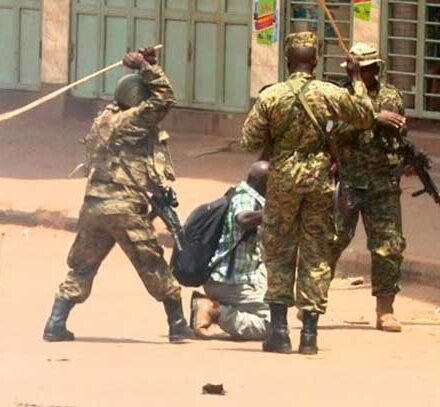
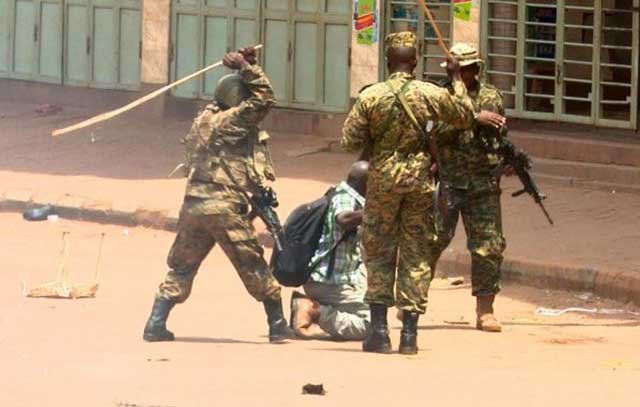
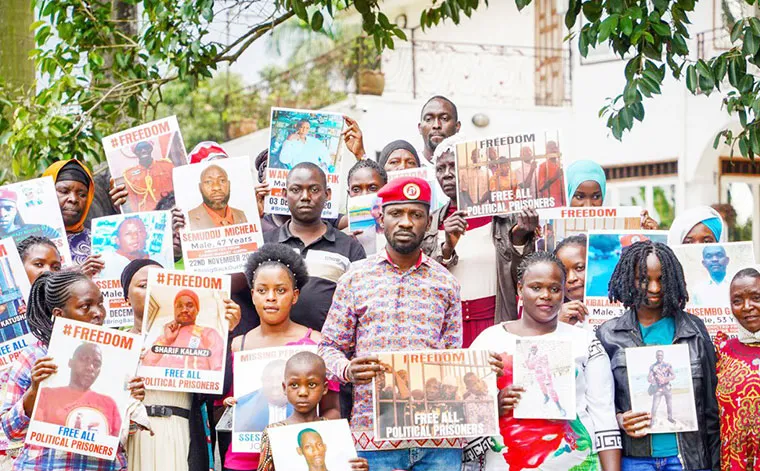
Perhaps the most disturbing feature of Uganda’s contemporary political environment is the number of allegations and documented cases involving arbitrary arrests, enforced disappearances, incommunicado detention and torture.
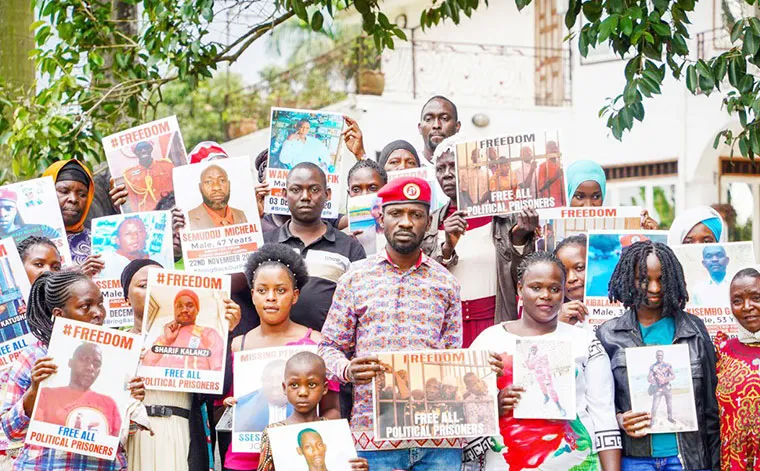
For affected families, these are not political statistics. They are missing relatives, unanswered telephone calls and months spent searching police stations, military facilities and courts for information.
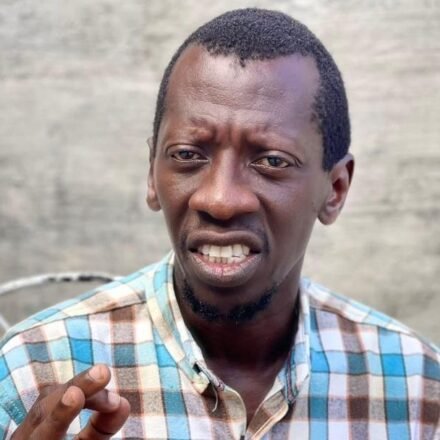
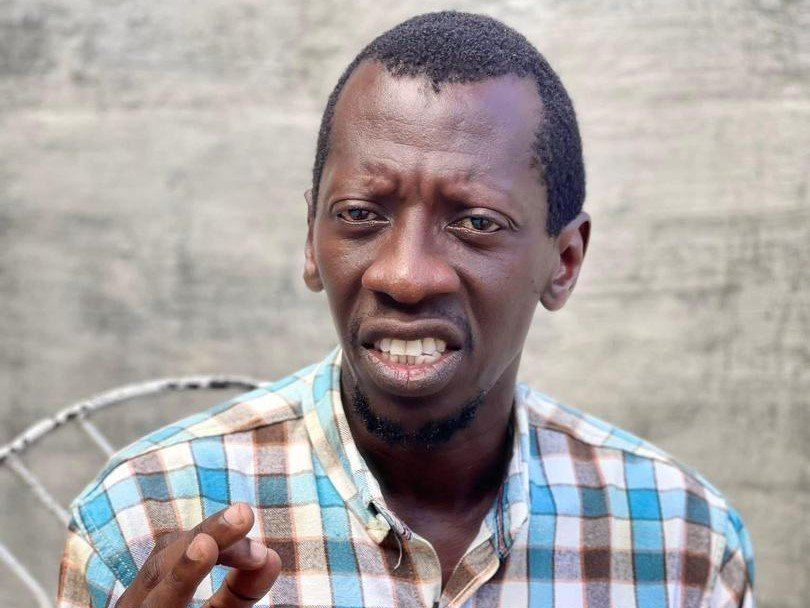
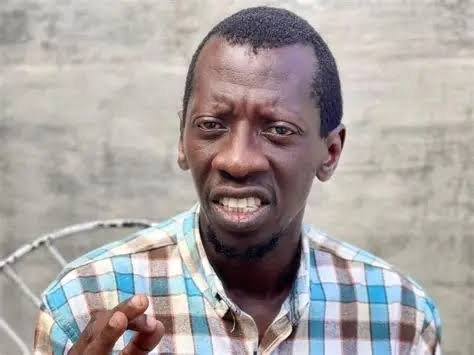
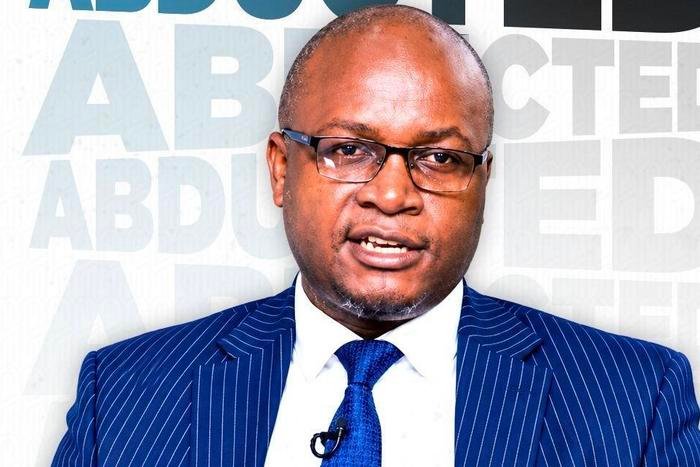
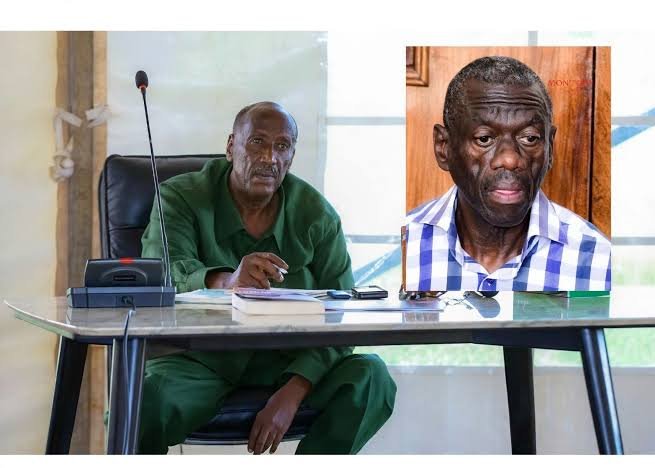
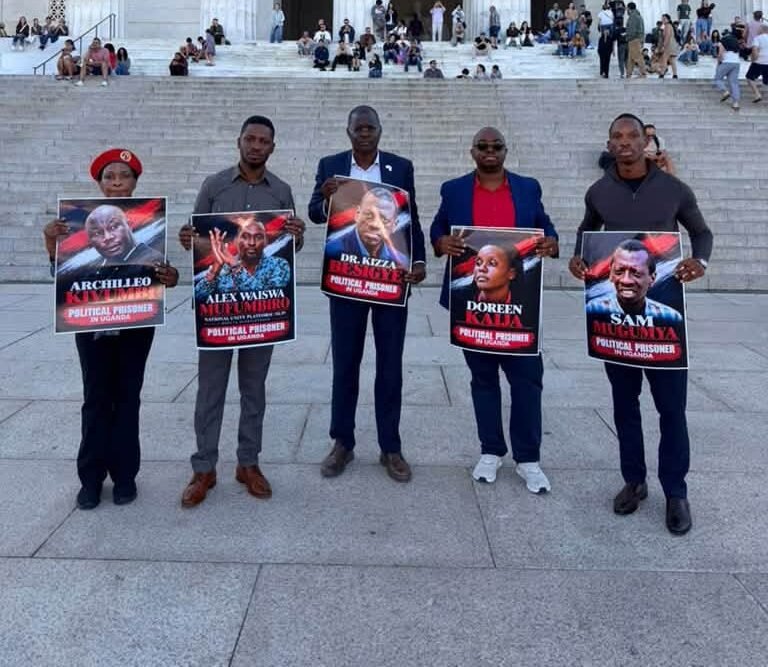
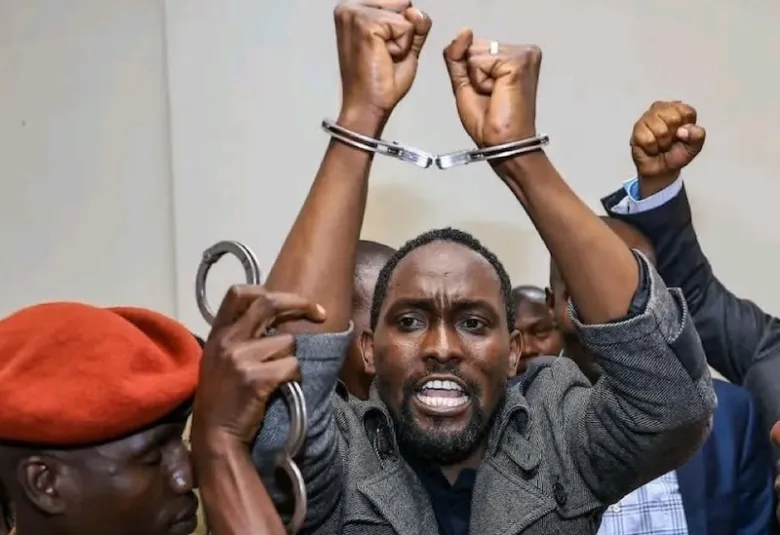
The case of opposition activist Sam Mugumya has brought these concerns into sharp focus.
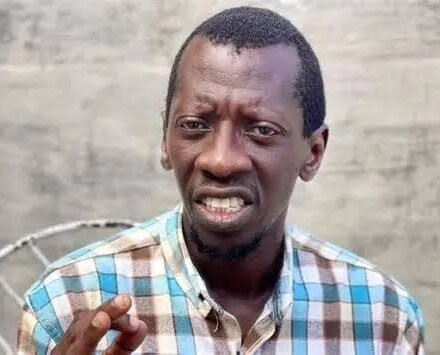
Mugumya, a former aide to Dr Kizza Besigye, reportedly disappeared after being seized by armed men in Mbarara in August 2025. His lawyers alleged that he was held at a Special Forces Command facility in Kasenyi, while concerns about his whereabouts persisted despite repeated legal interventions.
On November 18, 2026, Mugumya appeared before the General Court Martial in Kampala, nearly fifteen months after his reported disappearance. He faced security-related charges, including treachery, which he denied.
His appearance followed sustained public pressure and repeated court interventions, including an order requiring authorities to account for his whereabouts.
The development raises serious questions. Where was Mugumya during those fifteen months? Why were his family and lawyers unable to establish his location? Why did it take prolonged legal and public pressure before he appeared before a court?
Reports and footage circulating before his appearance also raised concerns about his physical condition. His treatment and the circumstances of his detention require independent investigation.
Mugumya’s case is not isolated from Uganda’s wider human rights debate. The United Nations Human Rights Committee has previously expressed concern about arbitrary detention and reports of unauthorised detention facilities commonly referred to as safe houses.
A government cannot claim to uphold constitutional rights while families are left searching for citizens whose whereabouts cannot be established through lawful procedures. Even a person accused of serious national security offences retains the right to humane treatment, legal representation and a fair trial.
Elections, political repression and the rise of Bobi Wine
The January 2026 general elections demonstrated how deeply divided Uganda’s political environment has become.
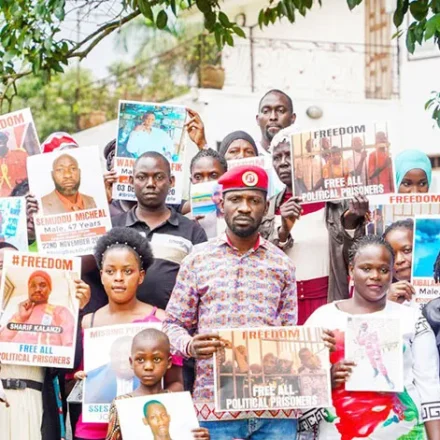
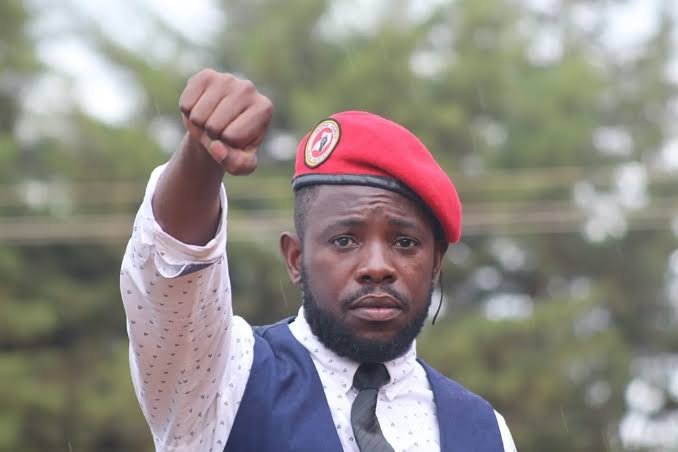
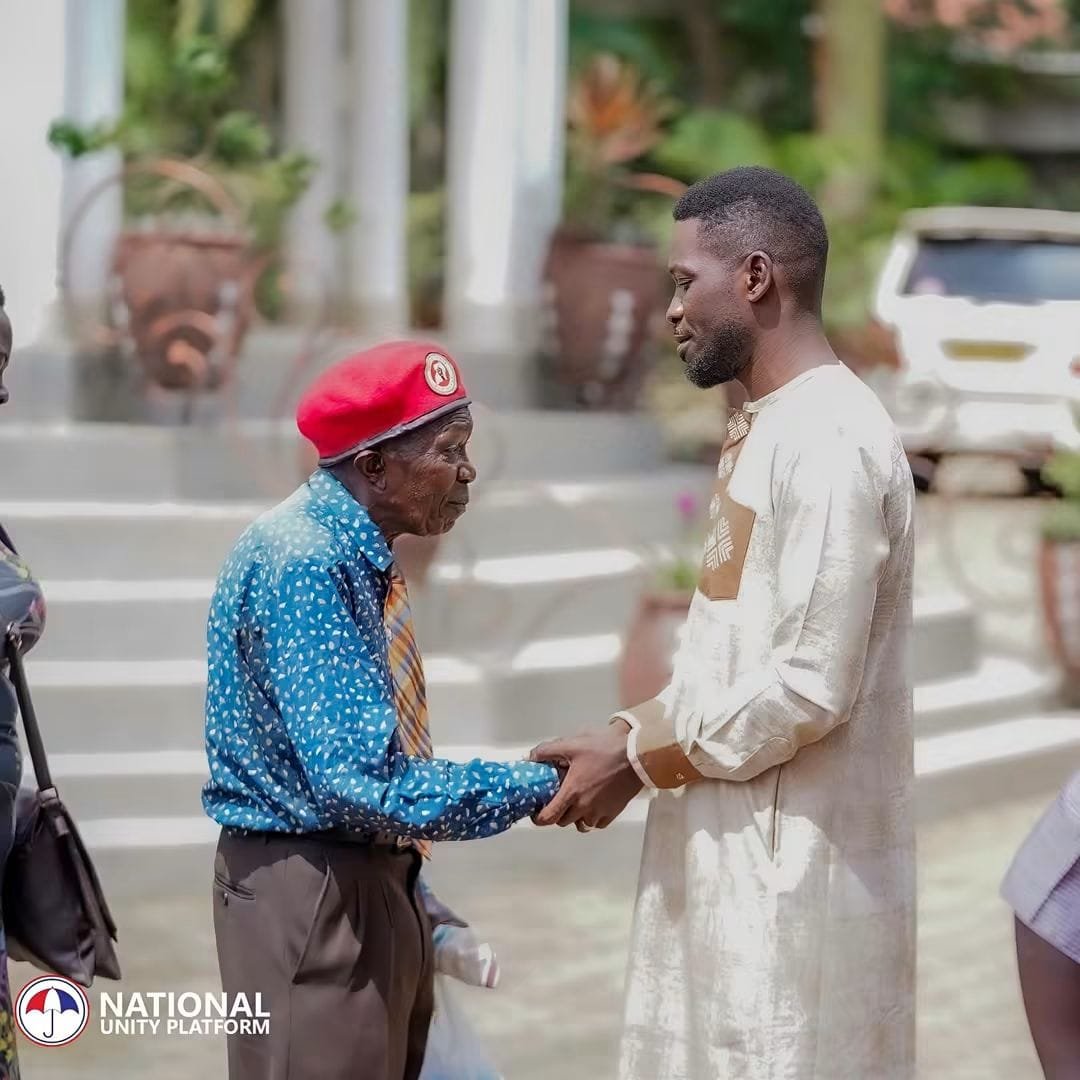
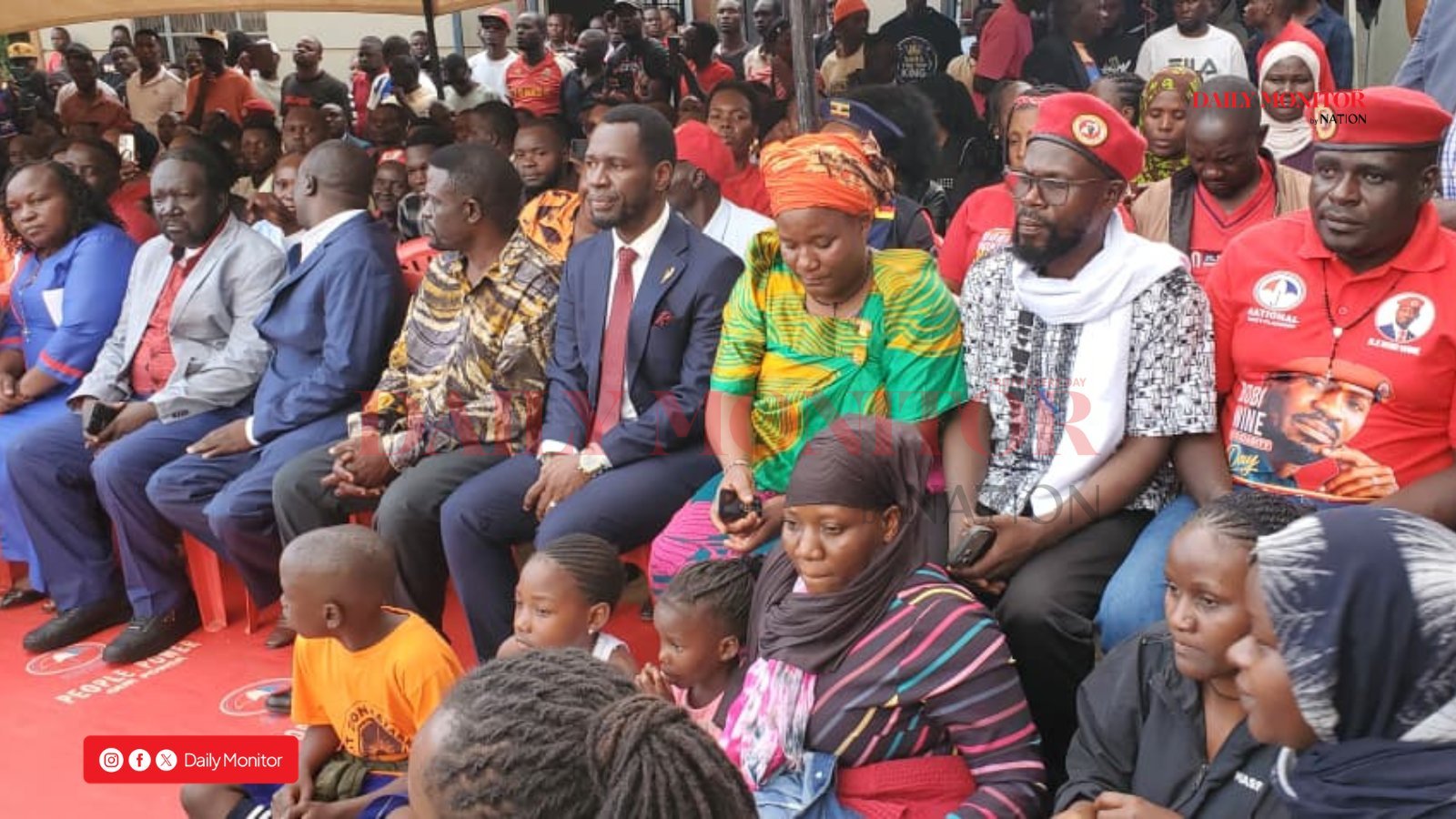
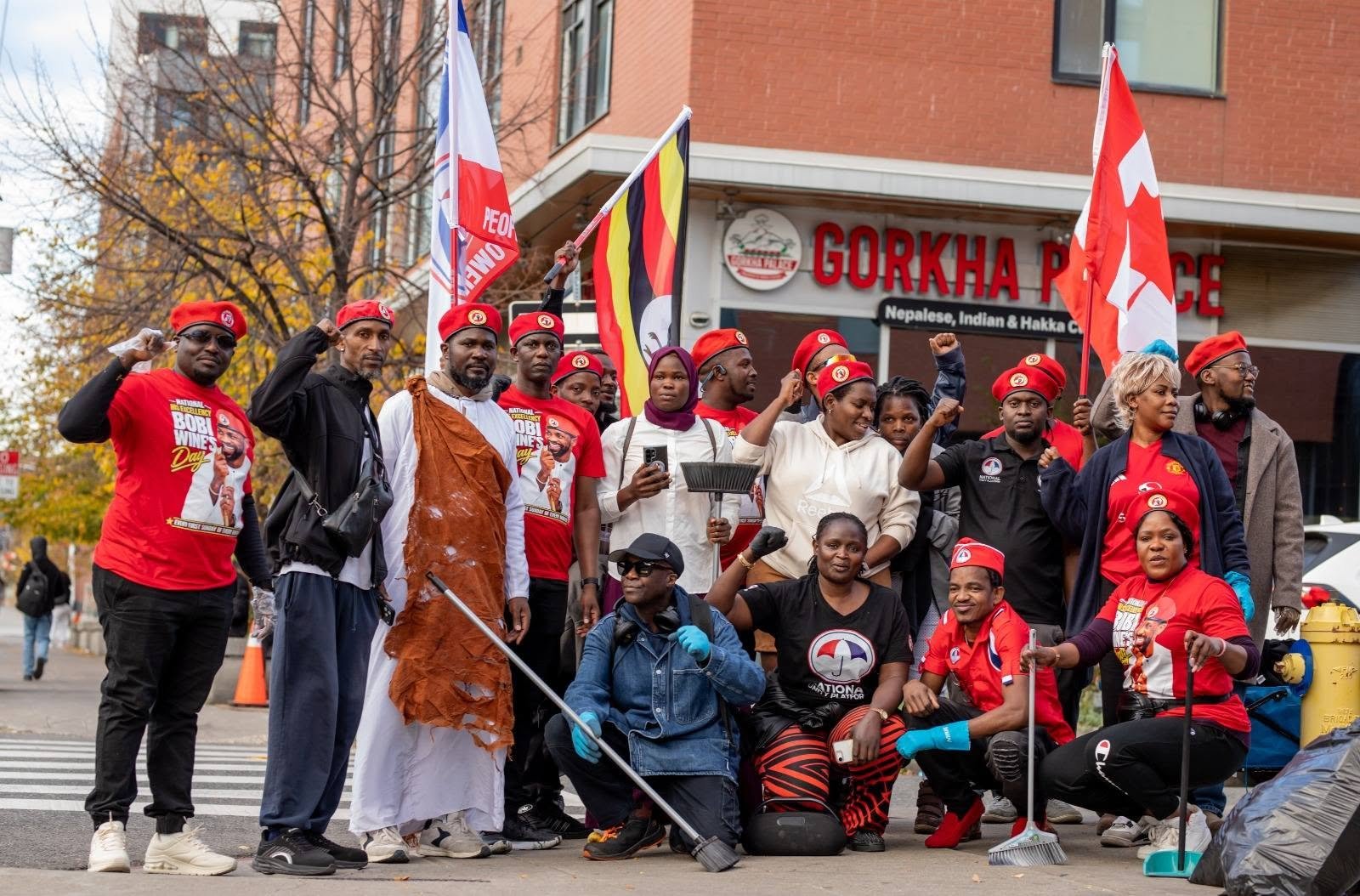
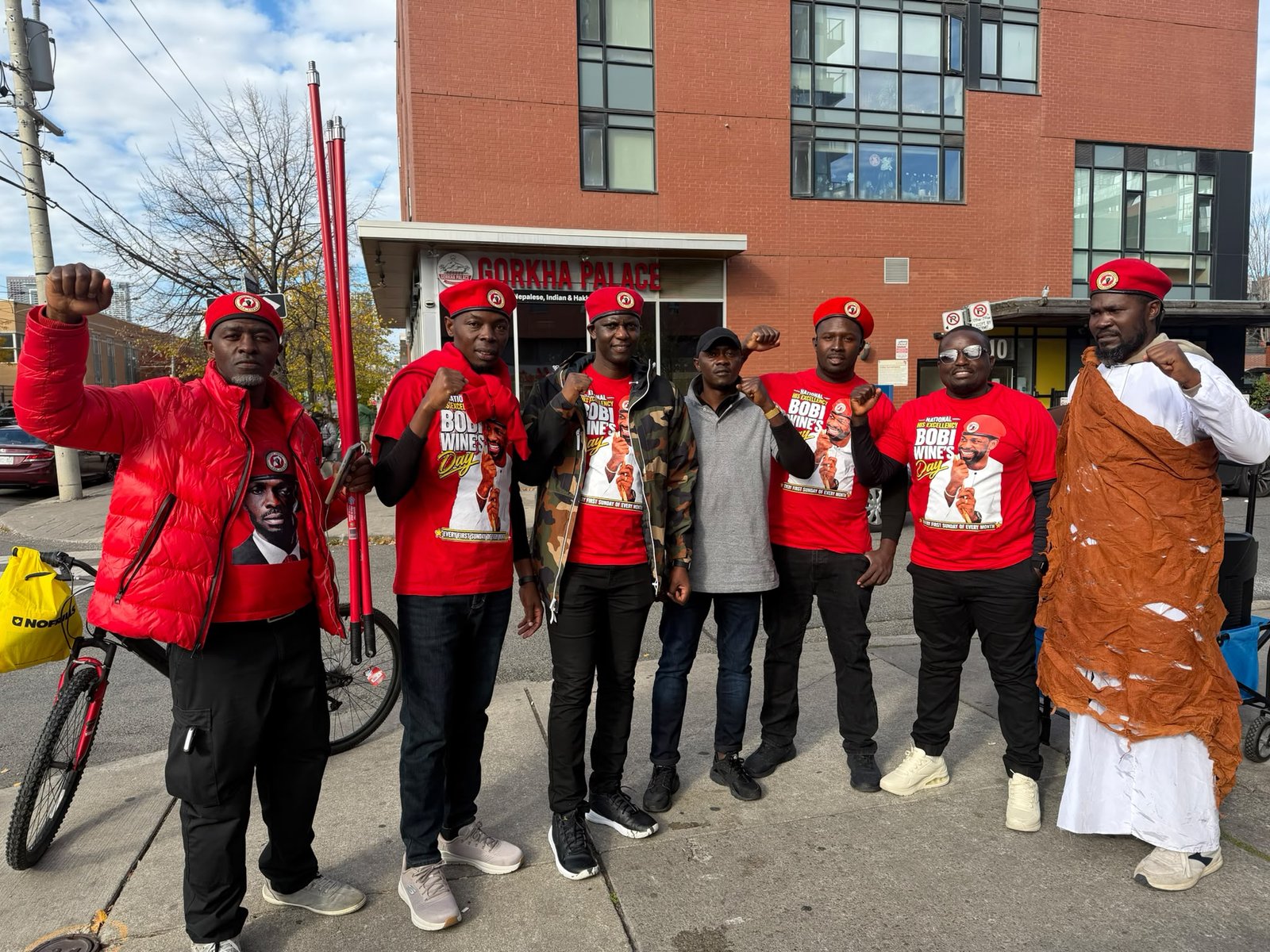
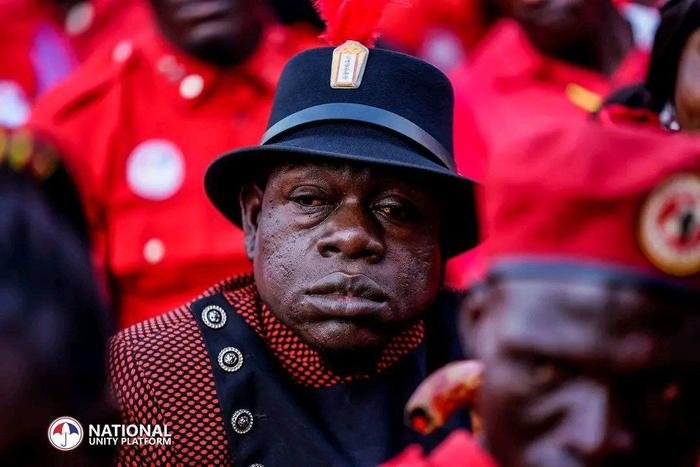
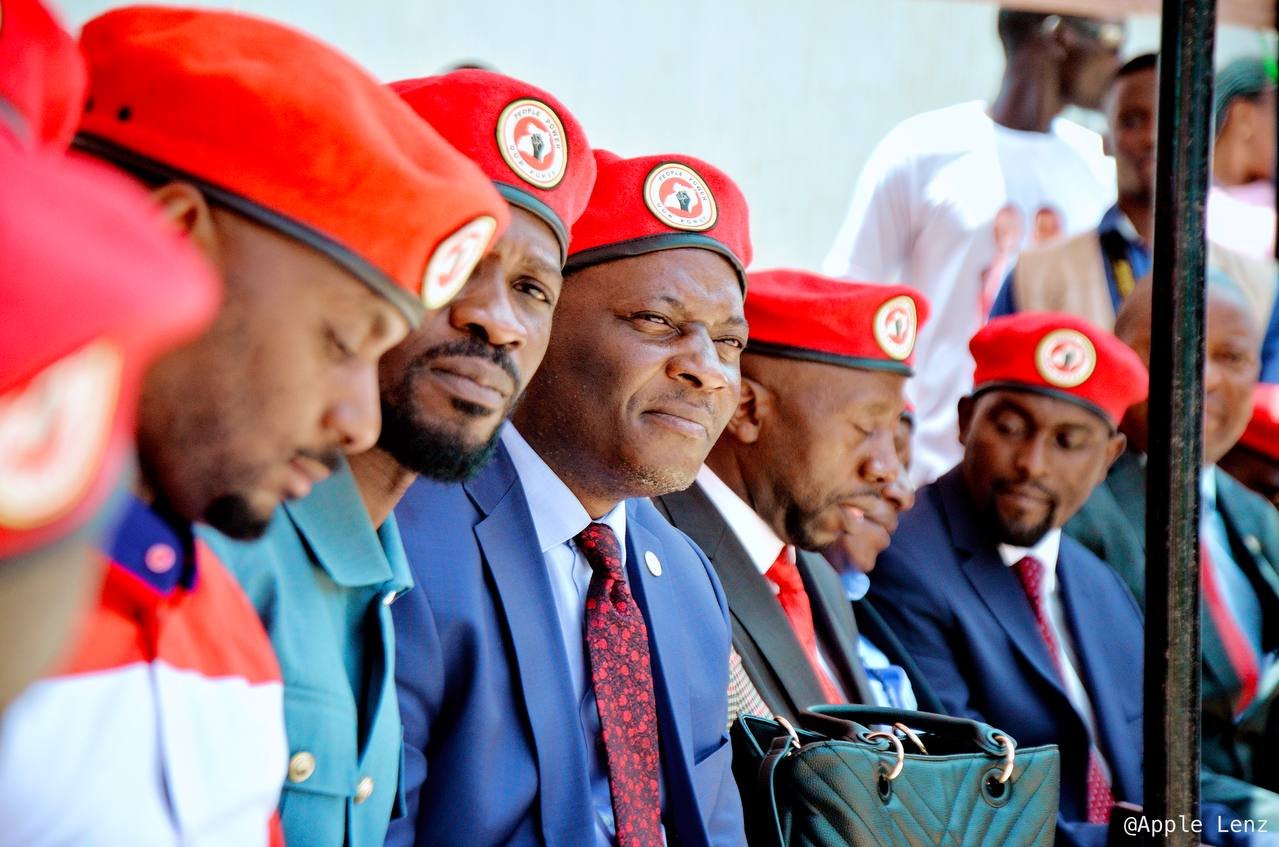
For many supporters of the National Unity Platform (NUP), the elections represented an opportunity to challenge a political establishment that has governed for four decades. Robert Kyagulanyi Ssentamu, popularly known as Bobi Wine, became a central figure in that demand for generational and political change.
His appeal is rooted in more than his political identity. Many supporters associate his movement with frustrations over unemployment, corruption, economic hardship, restricted political freedoms and the desire for greater accountability.
However, the electoral period was accompanied by serious allegations of intimidation, arrests, violence and restrictions on opposition activity.
Amnesty International’s April 30, 2026 investigation documented allegations of unlawful killings, arbitrary arrests, torture and other ill-treatment involving security personnel. Human Rights Watch also reported serious post-election pressure against opposition figures and supporters.
These allegations demand independent investigations and accountability. Political competition must never become a justification for violence against citizens exercising their constitutional rights.
For many Ugandans, Bobi Wine represents the possibility that leadership can change through democratic participation. That hope should not be dismissed, although any political alternative must also demonstrate its commitment to accountability, constitutionalism and responsible governance.
The right to seek a different government belongs to the people, not to the political establishment in power.
The institutions behind forty years of continuity
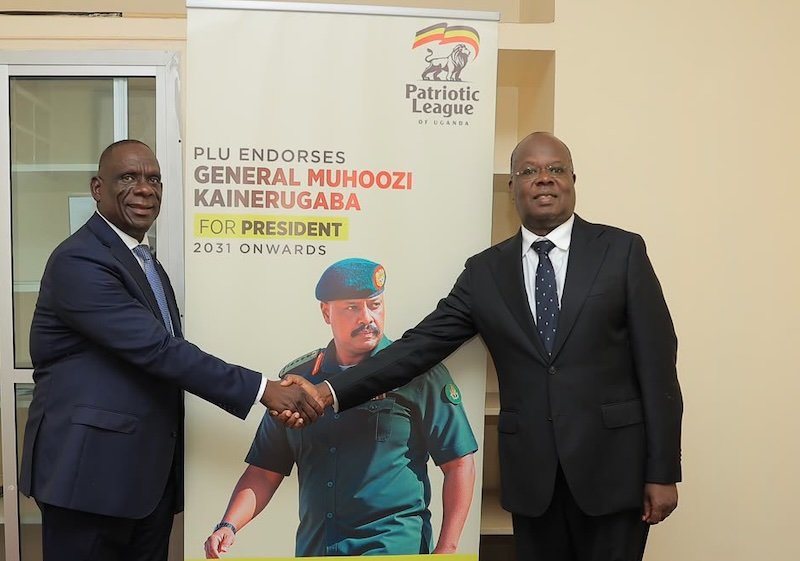
The endurance of the NRM government cannot be explained through security institutions alone. It also involves public appointments, political alliances, parliamentary cooperation, economic programmes and an extensive administrative network reaching from Kampala to village level.
The appointment of Democratic Party president Norbert Mao as Minister of Justice and Constitutional Affairs illustrates how relationships between opposition figures and the ruling establishment have evolved.
Similarly, cooperation between independent legislators and the NRM following the 2026 elections has raised questions about parliamentary independence and the ability of elected representatives to scrutinise executive decisions.
Uganda’s Constitution provides for multiparty democracy, freedom of expression, political participation and protection against arbitrary detention. Yet the application of laws such as the Public Order Management Act has repeatedly generated controversy over the regulation of public assemblies and political activities.
The real test of constitutional democracy is not whether these rights exist on paper, but whether citizens can exercise them without intimidation or unnecessary obstruction.
Local Council structures, Resident District Commissioners and government programme administrators further extend the state’s presence into communities. These institutions have legitimate administrative responsibilities, but their political neutrality and accountability remain important questions.
Public institutions should serve the country, not become instruments for preserving the political interests of whoever occupies State House.
Conclusion: Uganda belongs to its people
After forty years of NRM leadership, Uganda deserves an honest national conversation about the relationship between political power, public resources and citizens’ freedoms.
A road does not cancel out a missing person. An industrial launch does not account for public expenditure. A national security argument does not justify unlawful detention, and a government development programme does not excuse corruption or the denial of constitutional rights.
The story of Uganda is not simply the story of those who occupy State House. It is the story of the market woman struggling with taxes and food prices, the graduate without employment, the farmer waiting for promised financing, the journalist demanding accountability and the family searching for a missing relative.
For many of these citizens, Robert Kyagulanyi Ssentamu has become a symbol of the possibility of political change. Whether that hope is realised will depend on credible democratic institutions, accountable leadership and the ability of Ugandans to participate in determining their country’s future without fear.
Sam Mugumya’s appearance before the military court should remind the country that no citizen should have to disappear for fifteen months before their whereabouts become a matter of public attention.
Uganda is bigger than any political party or individual leader. Its resources belong to its people, and its institutions exist to serve the nation.
After forty years, the measure of leadership should not simply be how long those in power have remained there, but whether ordinary Ugandans can live with dignity, access justice, earn a decent living and freely choose the government they want.
By Alexander Luyima | The Hoima Post