






By Alexander Luyima | The Hoima Post
Uganda is increasingly investing in international visibility, foreign public relations firms, international lobbyists and foreign content creators to sell a favourable picture of the country to the outside world. But there is a much bigger question Ugandans must begin asking: Is the government promoting Uganda, or is it increasingly investing in protecting the international reputation of an administration whose human rights record continues to attract serious criticism?
There is nothing wrong with promoting Uganda internationally. Uganda has beautiful landscapes, extraordinary wildlife, rich cultural heritage, talented people and enormous tourism potential. It deserves international recognition.
However, tourism promotion must not become a convenient public relations exercise that distracts from the country’s unresolved governance problems.
You cannot market a country’s beautiful scenery while pretending that the suffering of its people does not exist.
The business of cleaning Uganda’s international image
This is not the first time the Ugandan government has turned to foreign public relations firms to manage its international reputation.
In May 2021, Uganda hired Mercury International UK Limited, which subcontracted Mercury Public Affairs in the United States to provide strategic consulting, government relations, lobbying and media relations services.
The timing was particularly significant. The arrangement came shortly after the United States announced visa restrictions against unnamed Ugandan officials over human rights violations surrounding the 2021 elections.
Uganda’s own Washington Mission budget performance report for financial year 2020/21 documented engagements with international public relations and lobbying firms following criticism of the January 2021 elections. The report specifically referred to efforts to defend the government’s position on democracy, good governance, the rule of law and human rights.
The mission listed engagements with Scribes Strategies, ReputePR, WorldPR, UNITAS Communications, Foreign Policy and Agrabrand regarding possible public relations interventions following international criticism.
These are not rumours. They are matters documented in government records.
In January 2023, further reporting by Daily Monitor highlighted Uganda’s continued engagement of foreign lobbyists and public relations consultants to improve its standing internationally.
More recently, international reporting has again raised questions about Uganda’s engagement of Washington lobbying firms amid criticism of its human rights record.
This raises an important question: How much public money has Uganda spent over the years trying to improve its international image, and what measurable improvements have Ugandans received in return?
What exactly are foreign influencers being asked to promote?
The latest debate involving Ghanaian travel influencer Wode Maya has brought this conversation back into the public domain.
Ugandans have questioned why international content creators are being considered for tourism promotion when the country has homegrown creators with substantial audiences, established digital platforms and firsthand knowledge of Uganda.
Wode Maya publicly clarified that he had not been brought in by the Uganda Tourism Board to promote the country. His clarification deserves to be respected.
However, the wider government practice of inviting foreign influencers is documented.
In September 2025, Uganda’s Embassy in France, working with the Ministry of Foreign Affairs and the Uganda Tourism Board, facilitated a familiarisation trip involving eight media influencers from France and Spain. The stated objective was to increase awareness of Uganda in Europe and attract international tourists.
In November 2026, Uganda’s Consulate General in Mombasa also announced a familiarisation trip involving Kenyan tour operators and social media influencers.
Tourism promotion is a legitimate government responsibility. But when these activities take place alongside documented international reputation management and lobbying operations, the public deserves transparency about the objectives, budgets, selection criteria and expected outcomes.
Are these strictly tourism campaigns, or are they also contributing to a broader effort to improve the government’s international standing?
That question deserves an honest answer.
The human rights reality that no influencer can erase
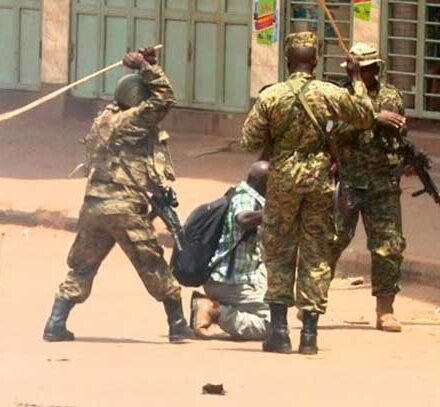
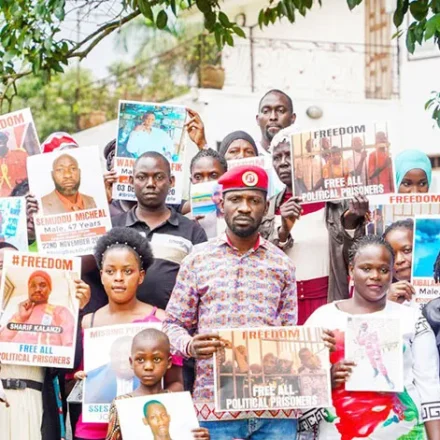
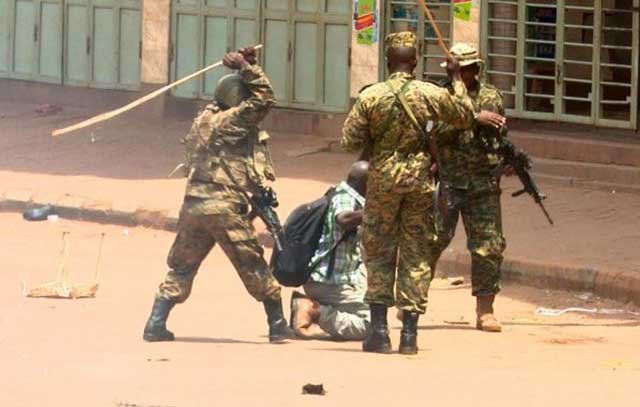
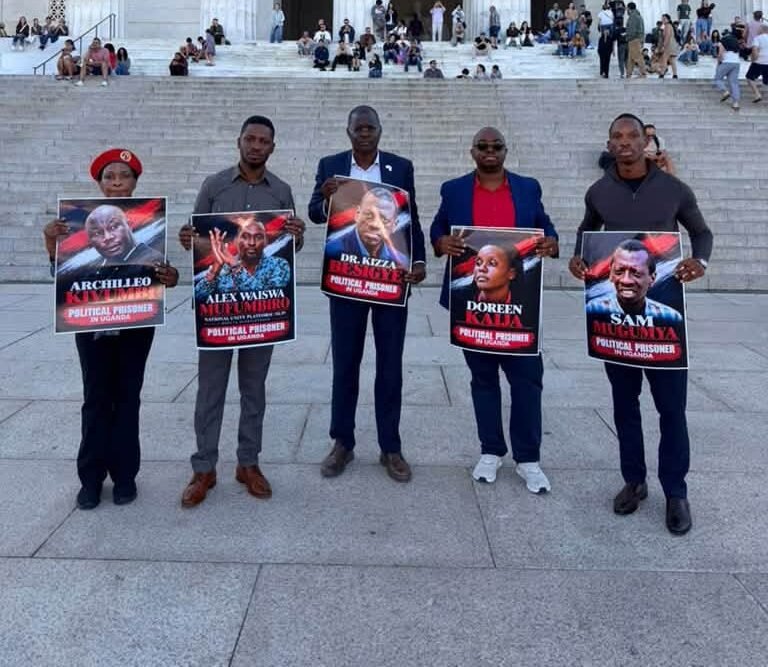
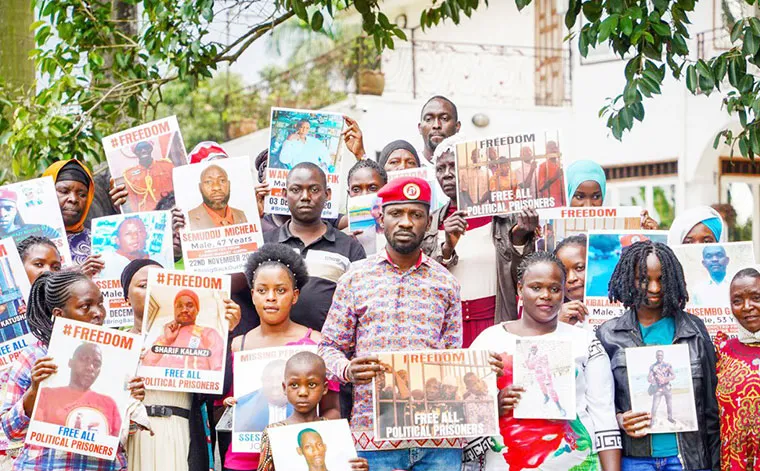
While Uganda invests in international visibility, the human rights situation remains a subject of serious international concern.
On April 30, 2026, Amnesty International called for investigations into election related killings, arbitrary arrests and torture of opposition members and supporters.
The organisation reported receiving information indicating that Ugandan security forces likely killed at least 16 people between January 15 and 18, 2026. It also documented arbitrary arrests, incommunicado detention and allegations of torture.
Amnesty International interviewed victims, eyewitnesses, family members and lawyers. It also reviewed videos, photographs, medical reports and official statements.
On July 30, 2026, the United Nations High Commissioner for Human Rights, Volker Türk, condemned the crackdown on fundamental freedoms in Uganda.
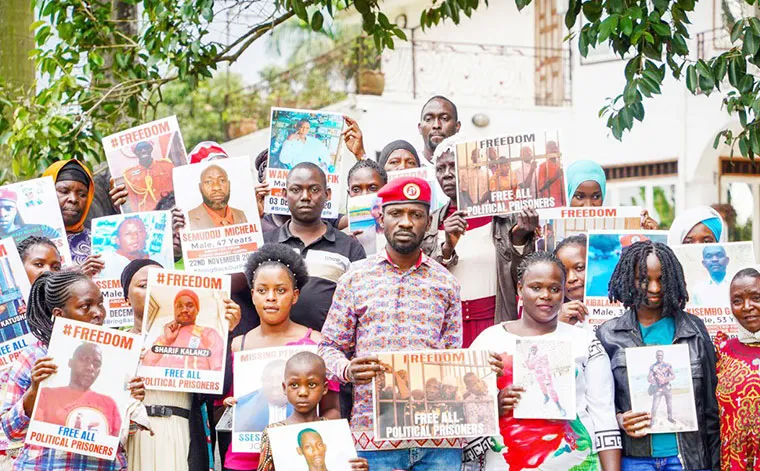
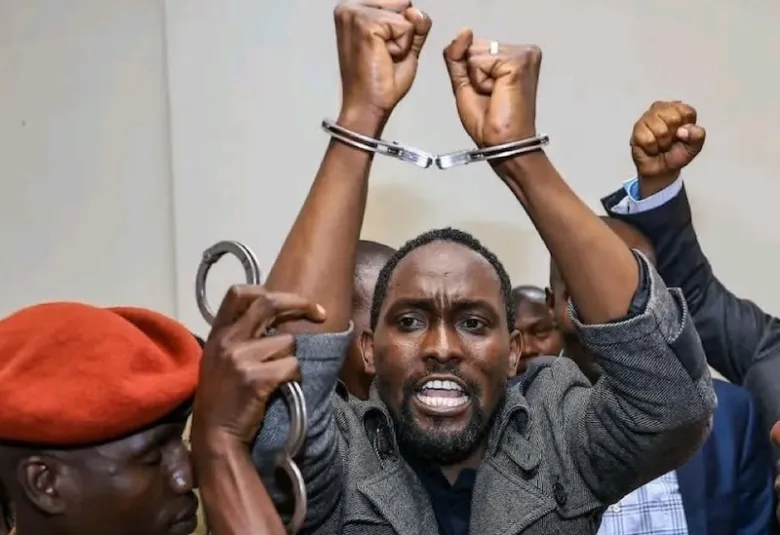
The UN Human Rights Office reported that since the January elections, at least 50 opposition leaders and supporters, five human rights defenders and five journalists had experienced human rights violations, including enforced disappearances, torture, ill treatment and arbitrary arrest or detention.
The UN also raised concerns about the suspension of civil society organisations, increased military involvement in civilian institutions and restrictions on civic space.
These are not allegations that can simply be dismissed as social media propaganda. They are findings and concerns published by internationally recognised human rights institutions.
And they raise a fundamental question: What is the point of spending money to persuade the world to admire Uganda if the government is not equally committed to addressing the experiences of Ugandans who are demanding justice?
A foreign influencer can photograph the River Nile, visit national parks, enjoy Ugandan food and showcase our cultural heritage. But that influencer cannot investigate an alleged disappearance, prosecute an officer accused of torture, recover public money lost through corruption or guarantee that a journalist can report without intimidation.
A beautiful tourism campaign cannot substitute for accountability.
Why are Ugandan content creators being overlooked?
Perhaps one of the most frustrating aspects of this debate is the apparent underinvestment in Uganda’s own creative industry.
Uganda has content creators who understand the country, speak its languages, know its communities and have built substantial audiences through their own efforts.
These are people who have spent years building digital platforms, attracting followers and creating content without the financial support that comes with international government sponsored campaigns.
Why should a foreign creator be considered more valuable than a Ugandan who has already demonstrated the ability to reach millions of people?
Why should Ugandan taxpayers finance international promotional activities without a transparent explanation of how local creators were considered?
This is particularly difficult to reconcile with the government’s own Buy Uganda, Build Uganda philosophy.
If the government believes in supporting local products, services and businesses, why should that principle not extend to Uganda’s digital creative economy?
Foreign creators can certainly contribute to Uganda’s tourism industry. Their audiences may open doors to international markets that local creators cannot easily access. But their involvement should complement local talent, not displace it.
The question is not whether foreigners should be welcome. It is whether Ugandans are being given a fair opportunity to benefit from the promotion of their own country.
A Ugandan creator should not have to wait for an election campaign to become economically useful to the people controlling public resources.
The election time influencer economy: Used, paid and abandoned?
There is another uncomfortable conversation that deserves investigation.
During election periods, Ugandans have witnessed the emergence of politically aligned online personalities, influencers and entertainment platforms participating in political messaging and campaigns.
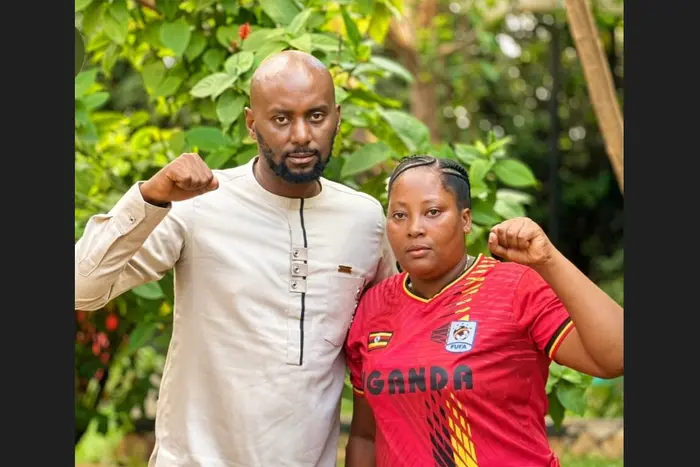
Names such as Kasuku have featured in public discussions about the relationship between political influence, online audiences and government aligned messaging.
There are allegations that some local creators were offered payments and temporary opportunities to mobilise online support during political campaigns, only to be abandoned once their usefulness had diminished.
These allegations deserve investigation. They should not, however, be presented as established financial facts without contracts, payment records or testimony from the people involved.
If creators are being recruited to influence public opinion during elections, who funds these arrangements? What are they promised? Are there written agreements? Are they paid fairly? And what happens to them after the political campaign ends?
Uganda’s creative industry should not become a disposable political resource.
The same creators who are useful during election campaigns should not be forgotten when opportunities for meaningful economic participation arise.
If the government can identify, recruit and mobilise online personalities when political interests are at stake, why is it so difficult to establish a transparent and sustainable programme that supports Uganda’s own creative industry?
Are we moving towards manufactured online popularity?
There is also a growing concern about coordinated online influence operations, including paid amplification, misleading accounts, platform manipulation and attempts to silence competing voices through organised reporting.
Research published by the Centre for Information Integrity following Uganda’s 2026 elections has raised concerns about paid inauthentic accounts and the use of an established entertainment YouTube channel by state aligned influencers to distribute political messaging.
There have also been concerns about coordinated mass reporting of accounts belonging to critics and independent voices. Such claims require platform records and independent verification before particular individuals or organisations can be held responsible.
But imagine the contradiction. A country spends public money to promote its international image while Ugandans at home are worried about whether they can freely express their opinions online.
What exactly is being promoted if the digital environment itself is becoming a contested space for political influence?
And how does bringing in foreign influencers address concerns surrounding online censorship, account manipulation and political intimidation?
The government should explain whether its digital promotion strategy is intended to encourage independent storytelling or simply to amplify favourable narratives.
Ugandans deserve an open digital environment where popularity is earned through genuine public engagement rather than political connections or organised manipulation.
The Muhoozi question and the politics of international reputation
Uganda’s international reputation is not shaped by tourism alone.
It is also shaped by the conduct of public institutions, the statements of influential government figures, the treatment of political opponents and the country’s commitment to constitutional governance.
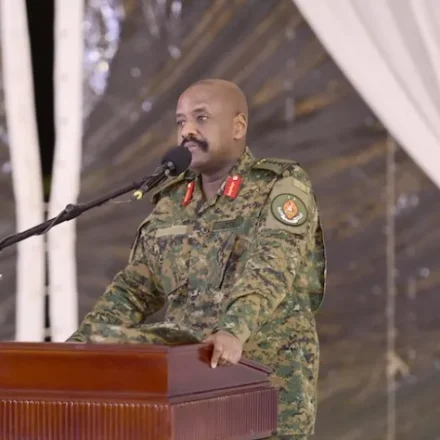
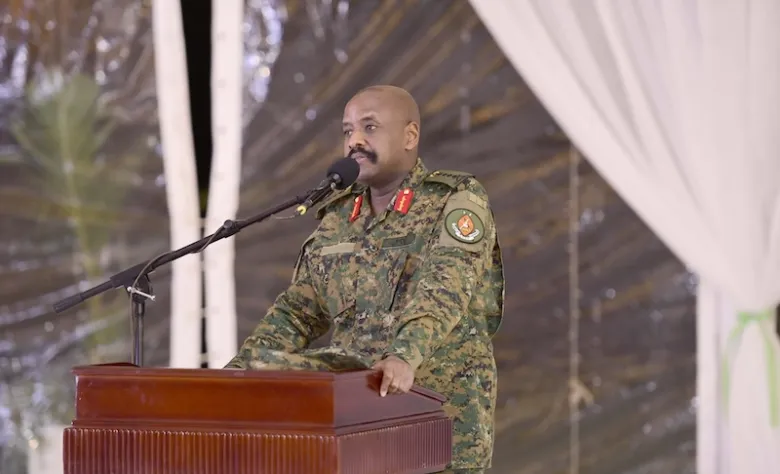
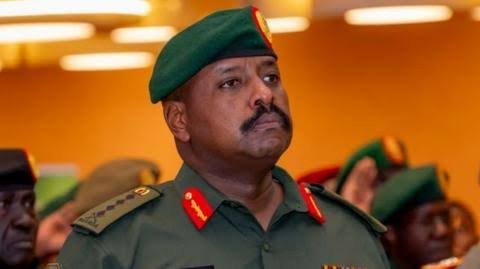
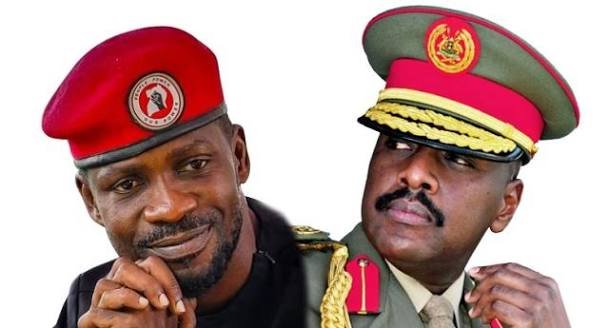
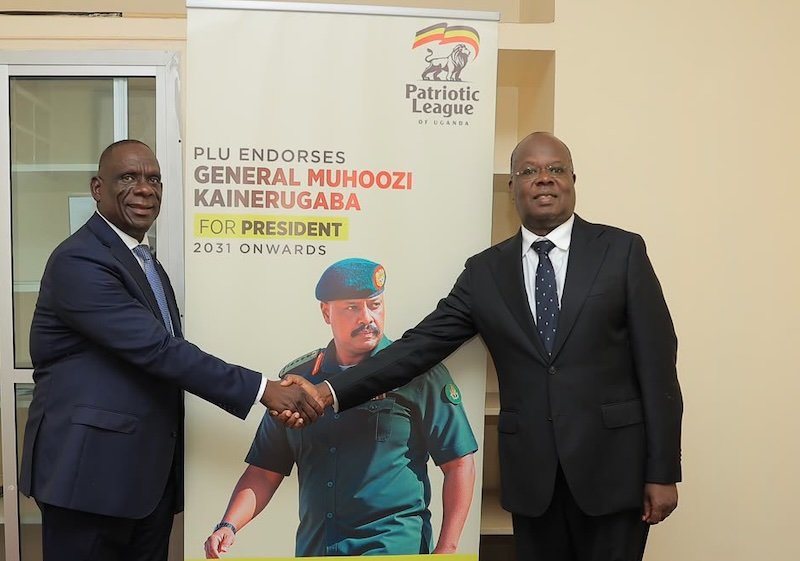
The public statements and social media activity of General Muhoozi Kainerugaba, the Chief of Defence Forces, have themselves attracted international attention and public debate.
The wider questions surrounding military involvement in civilian affairs, political succession, accountability and the concentration of political influence cannot be resolved through tourism advertising.
How is a foreign tourism influencer expected to resolve concerns arising from the public statements of powerful government officials?
How can a foreign public relations company create confidence in Uganda’s institutions if the concerns that undermine that confidence remain unresolved?
No amount of beautiful photography can replace responsible public leadership.
Uganda’s international standing must be built through the conduct of its institutions, not merely the popularity of its promotional campaigns.
The deeper governance questions Uganda cannot continue avoiding
The concerns surrounding Uganda’s international image cannot be separated from the wider governance challenges confronting the country.
Corruption, alleged embezzlement of public resources, weak accountability, sectarianism, political patronage and the concentration of power within a ruling political establishment continue to generate public debate.
There are also growing concerns about political succession and the possibility of a dynastic arrangement that could further concentrate influence within one family.
These issues require serious public scrutiny.
How does recruiting foreign influencers address corruption?
How does an international tourism campaign recover money allegedly stolen from public institutions?
How does a foreign blogger prevent unlawful arrests, investigate the disappearance of Ugandans or guarantee the independence of the judiciary?
How does a promotional video control controversial statements by powerful political and military figures?
These are questions that no public relations agency can answer on behalf of the Ugandan government.
If public resources are available for international image promotion, Ugandans are entitled to ask why comparable urgency is not demonstrated in strengthening public institutions, improving healthcare, supporting education, creating employment and protecting fundamental freedoms.
Whose money is being spent, and whose interests are being protected?
This is ultimately a public accountability question.
Ugandans are not opposed to tourism. They are not opposed to international cooperation. They are not opposed to foreign investors, journalists, bloggers or influencers visiting their country.
What they deserve is transparency.
Every public expenditure should have a clearly defined purpose, a transparent procurement process and measurable public benefits.
The government should publish:
1. The total amount spent on foreign influencers, international bloggers, public relations firms and lobbying companies over the relevant financial years.
2. The names of companies and individuals contracted or sponsored.
3. The procurement procedures and selection criteria used.
4. The specific deliverables expected from each engagement.
5. The amount allocated to Ugandan content creators compared with international creators.
6. The measurable results of these campaigns and their contribution to Uganda’s economy.
7. Any contracts or campaign instructions involving political messaging, reputation management or responses to international human rights criticism.
These are reasonable questions for taxpayers to ask.
If the campaigns are genuinely about tourism, let the government demonstrate their economic value. If they are about international public relations, let the public understand exactly what is being purchased.
Uganda does not need an artificial reputation
Uganda does not need foreigners to manufacture a new identity for it.
It needs institutions that work, public money that is protected, security agencies that respect the law, independent journalism, accountable leadership and an environment in which citizens can express themselves without fear.
It needs a country where young people can build successful businesses without political connections, where public contracts are awarded transparently, where corruption has consequences and where families searching for missing relatives receive answers.
It needs a government that understands that the country’s reputation is inseparable from the dignity and safety of its people.
There is nothing wrong with inviting the world to experience Uganda’s beauty. But the world must also be allowed to see Uganda’s reality.
A country cannot sustainably build international confidence by showcasing its attractions while avoiding legitimate questions about its governance.
The most effective international public relations campaign Uganda could ever undertake would be to fix the problems that are damaging its reputation in the first place.
Investigate the killings. Address allegations of abductions and torture. Protect independent journalism. Respect political freedoms. Fight corruption. Ensure accountability in public institutions. Stop treating public resources as though they belong to those holding political office.
And perhaps most importantly, invest in Ugandans.
Let Ugandan creators tell Uganda’s story. Let Ugandan businesses benefit from Uganda’s tourism industry. Let Ugandan journalists report freely, even when their reporting is uncomfortable for those in power.
Because Uganda belongs to its people, not to an administration, a political family or a public relations company.
You can pay foreigners to tell the world how beautiful Uganda is. But you cannot pay them to make the suffering of Ugandans disappear.
By Alexander Luyima | The Hoima Post