



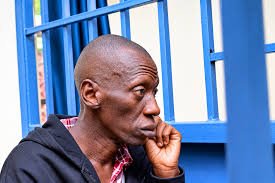
Opposition activist Mugumya alleges poisoning, torture as LoP visits political prisoners

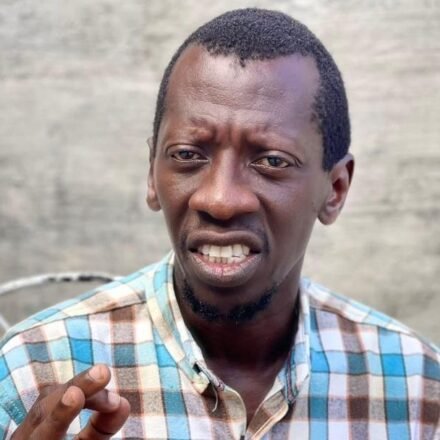
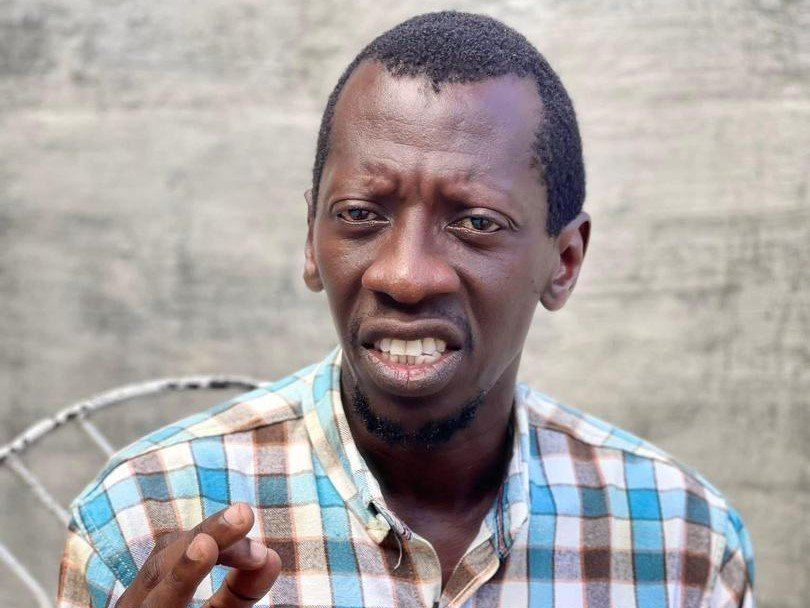
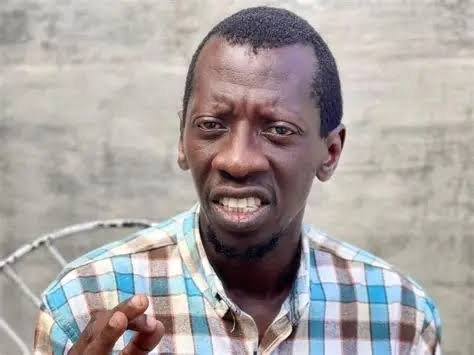
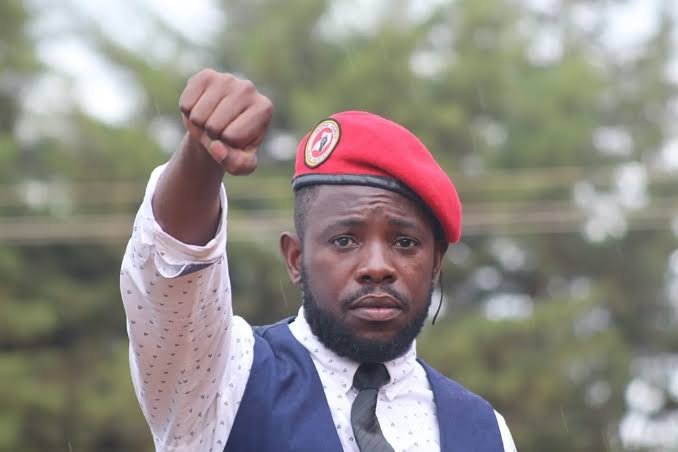
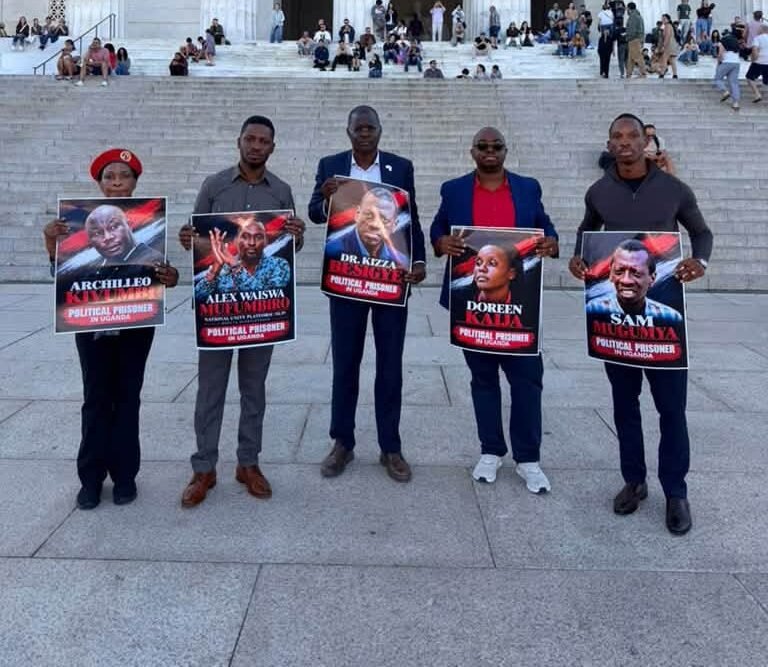
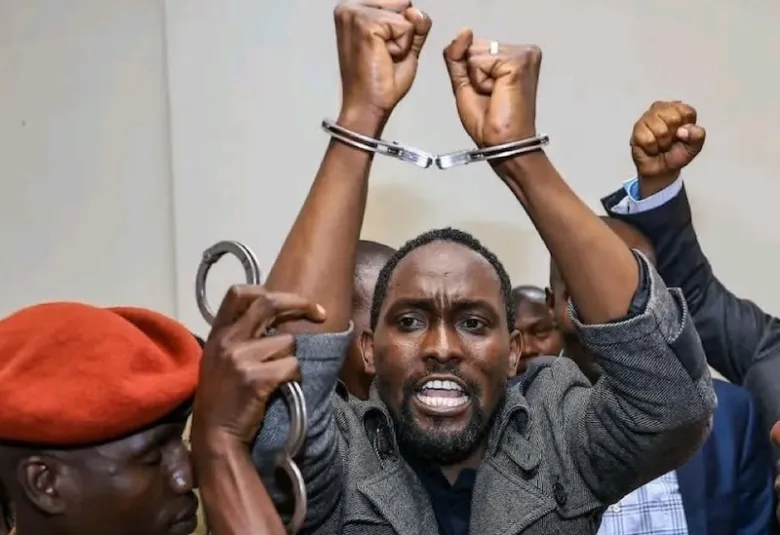
Opposition activist and political detainee Sam Mugumya has alleged that he was subjected to torture, harsh detention conditions and a suspected poisoning attempt during more than a year in custody, raising renewed concerns about the treatment of political prisoners in Uganda.
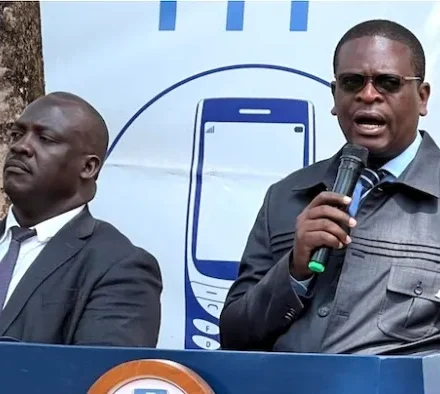
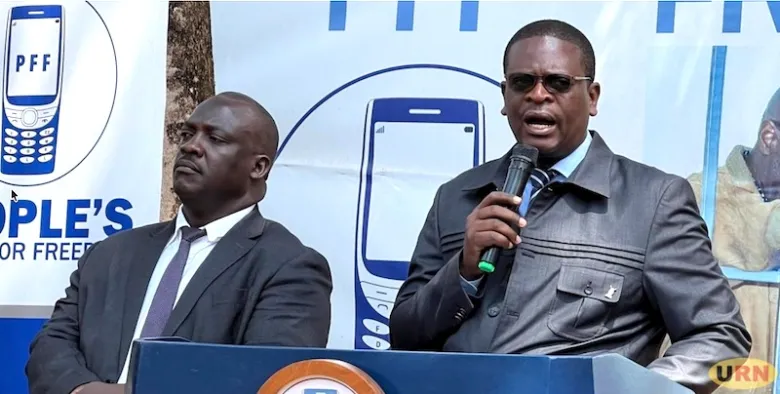
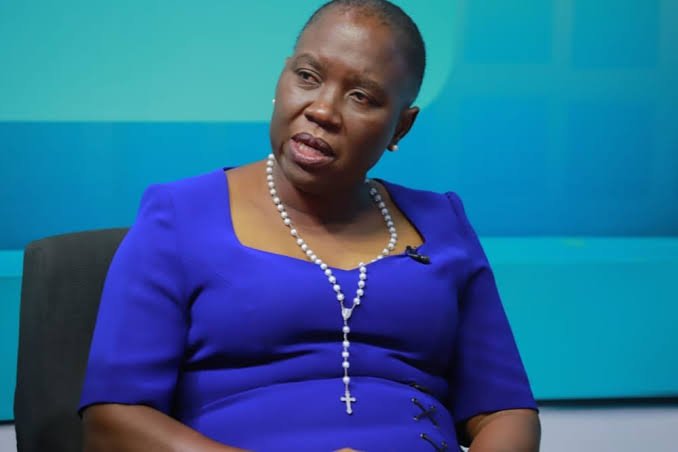
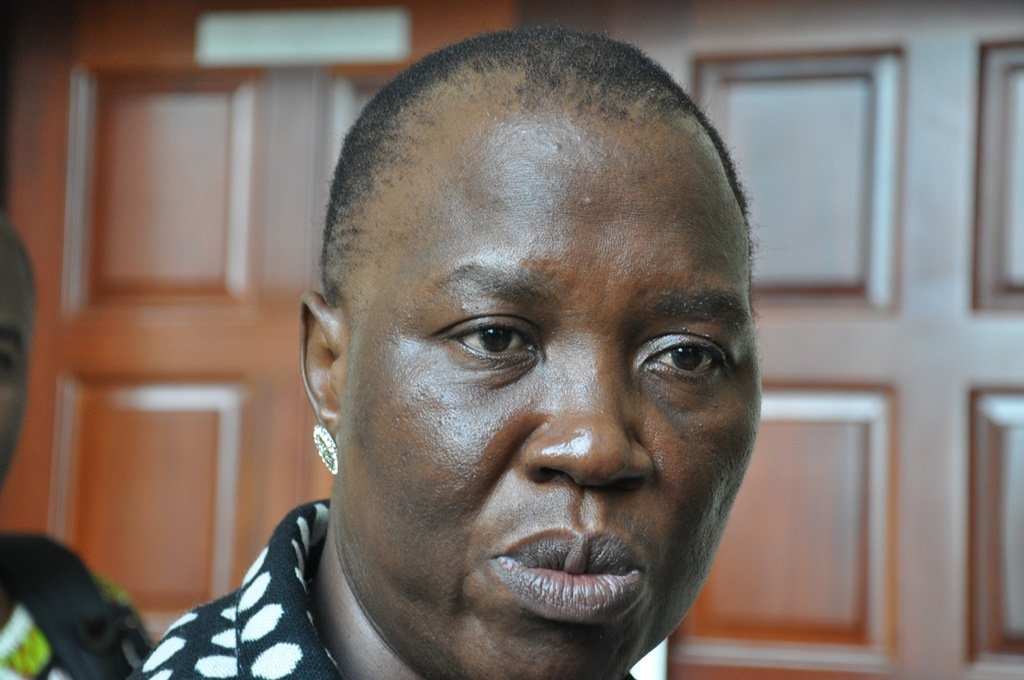
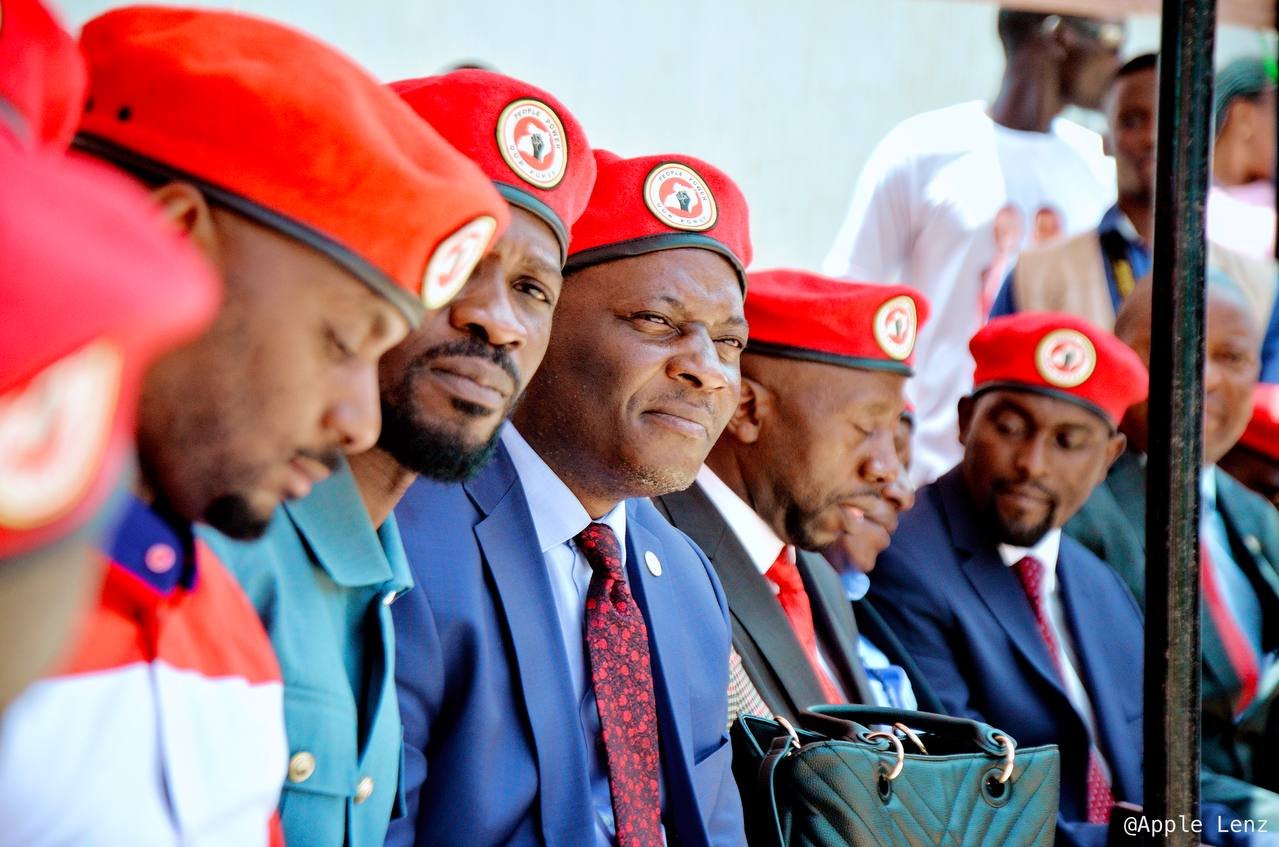
The allegations were disclosed following a visit by Leader of the Opposition in Parliament (LoP) Joel Ssenyonyi, who led a delegation to check on the welfare of Mugumya and other detained opposition figures.
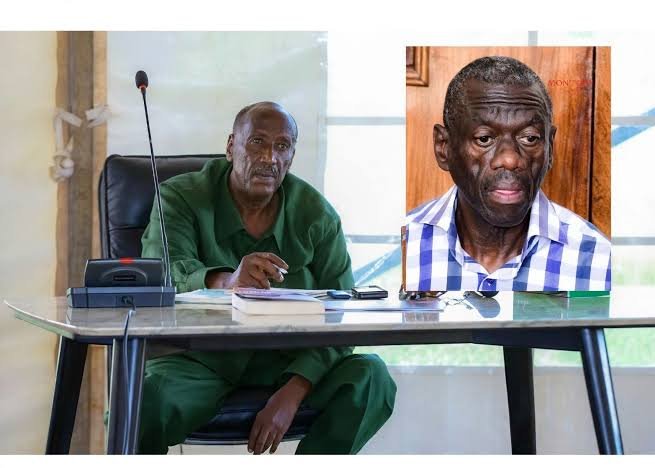
Mugumya, a longtime aide to veteran opposition leader Dr Kizza Besigye, reportedly remains physically frail following his prolonged detention, although his condition is said to be gradually improving.
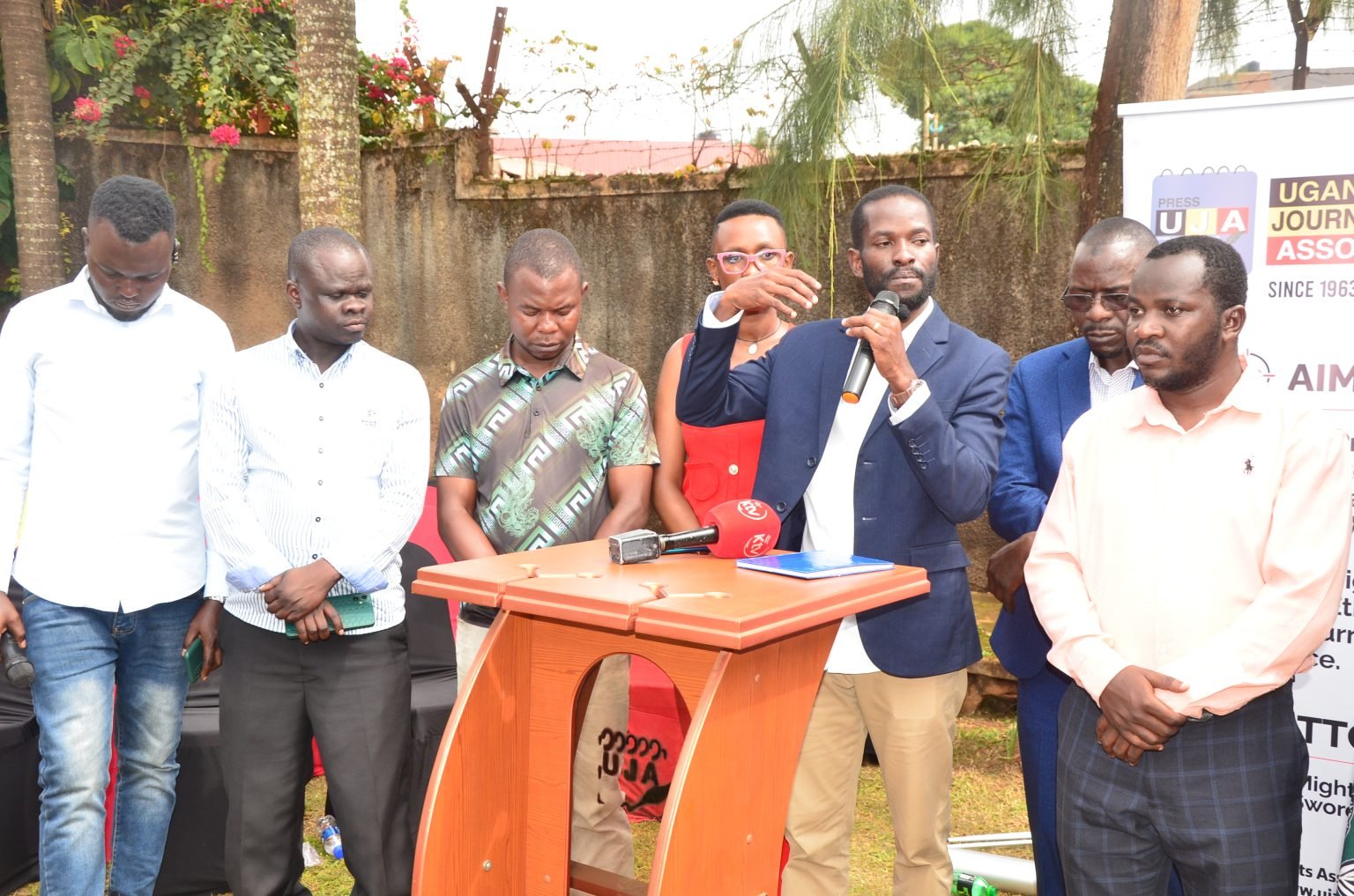
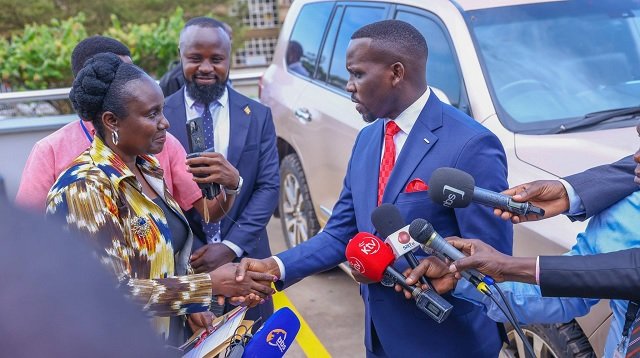
Speaking to journalists after the prison visit, Ssenyonyi said Mugumya recounted a prolonged ordeal that had significantly affected his health.
“We came to see a couple of political prisoners, and we first visited Sam Mugumya and others. He narrated to us his ordeal of over a year; he is terribly weak, though he says he is improving,” Ssenyonyi said.
Mugumya alleges suspected poisoning
During the visit, Mugumya reportedly told the opposition delegation that he experienced repeated episodes of vomiting green bile, which he suspected were linked to something being introduced into his food while in detention.
He said the episodes prompted him to stop eating for approximately 14 days in protest and out of fear for his safety. He reportedly resumed eating after fellow detainees warned him that continuing the hunger strike could result in his death.
The poisoning allegations have not been independently verified, and Mugumya’s account raises questions about his access to adequate food, medical care and safeguards against mistreatment while in custody.
Alleged abduction and prolonged handcuffing
Mugumya also reportedly recounted the circumstances surrounding his arrest, alleging that he was abducted in Mbarara on August 26, 2025, before being transported to a private residence in Kasenyi.
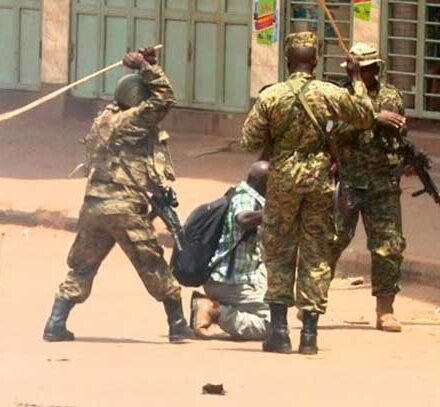
He claimed that he was kept in handcuffs for extended periods throughout the day, with the restraints reportedly removed only briefly when he needed to shower.
According to his account, the prolonged use of restraints caused lasting injuries and damage to his hands, adding to the physical suffering he experienced during detention.
Harsh detention conditions and deteriorating health
Ssenyonyi further alleged that Mugumya endured extremely poor detention conditions, including being fed posho accompanied by plain water, with little regard for his nutritional or medical needs.
The opposition leader said Mugumya was only taken for specialised medical treatment after footage showing him struggling to walk and attempting to regain mobility surfaced online, triggering public concern and outrage.
Ssenyonyi credited Ugandans who spoke out against Mugumya’s detention and those who helped bring the footage to public attention, saying their pressure played a role in prompting authorities to intervene.
“Mr Mugumya is deeply appreciative of the Ugandans who were vocal about his detention, as well as the individuals who sneaked out the video showing him learning how to walk,” Ssenyonyi said.
Concerns over other political detainees
Beyond his personal ordeal, Mugumya reportedly expressed concern about other political detainees he left behind, some of whom he said continue to face harsh or undocumented detention conditions.
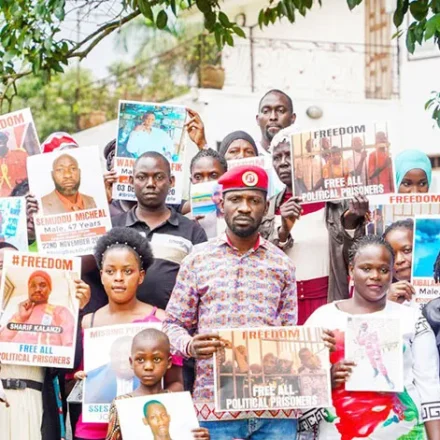
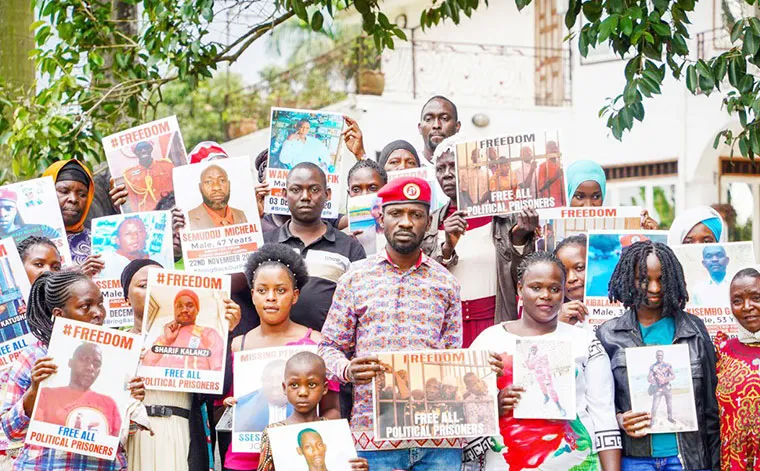
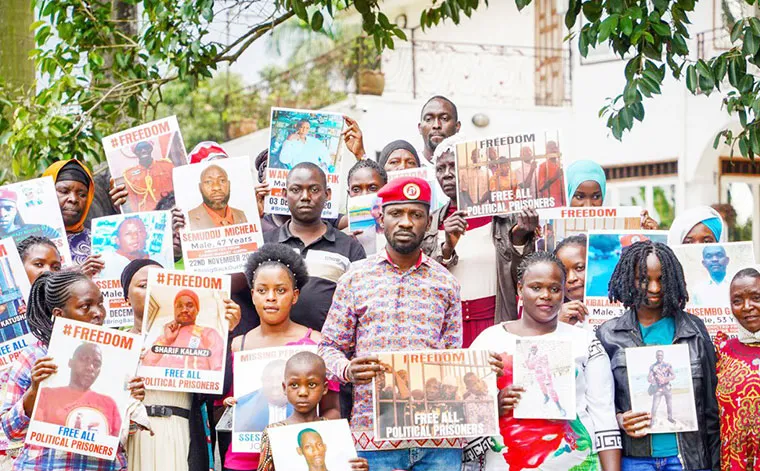
He appealed to human rights defenders, opposition leaders and concerned Ugandans to continue demanding accountability and advocating for the release of those detained on political grounds.
His allegations add to ongoing concerns surrounding the treatment of opposition supporters, prolonged detention, alleged torture and access to medical care in Uganda’s detention facilities.
The opposition delegation’s visit has once again brought the plight of political detainees into focus, with renewed calls for transparency, accountability and respect for the fundamental rights and dignity of individuals in custody.