Civil Society Groups Urge President Museveni to Reconsider NGO Amendment Act 2024

A group of Civil Society Organisations (CSOs) has urged President Museveni to reconsider approving the NGO (Amendment) Act, 2024, citing concerns about the rationalisation of the NGO Bureau.
On Tuesday, April 23, 2024, Parliament passed the NGO (Amendment) Bill for the year 2024. The bill is currently awaiting the president’s assent to become law.
Under the bill, the mandates to monitor, oversee, and regulate the operations of NGOs and CSOs were transferred back to the Ministry of Internal Affairs to be handled at the departmental level.
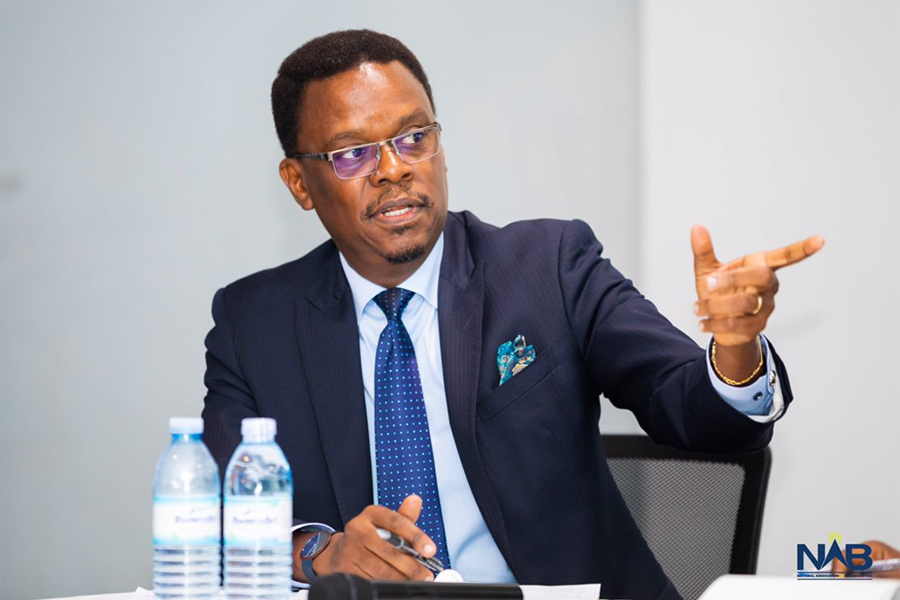
Speaking to the media in Kampala, Robert Kirenga, the Executive Director of the National Coalition of Human Rights Defenders Uganda, argued that the rationalization would undermine the country’s development agenda, efficiency, and international obligations.
“It is important to note that the NGO sector is recognized as part of the National Development Plan, where the entire civil society is regarded as the third sector in the country. This sector has made a significant contribution to achieving various development targets, including Uganda’s Vision2040,” he said.
Kirenga emphasised that the NGO Bureau, established in 2016, has played a crucial role in revitalizing and organizing the sector, and dissolving it would be counterproductive.
He stated that the NGO Bureau is the sole regulatory authority directly overseeing the civil society sector, and its dissolution would result in a loss of expertise and efficiency.
“The bureau’s semi-autonomous status is crucial for meeting international and regional obligations, including countering terrorism financing and anti-money laundering frameworks,” he explained.
Kirenga further highlighted that the argument of cost-saving through rationalisation should not take precedence over efficiency and effectiveness.
“The NGO Bureau does not fall under the category of government entities characterised by duplicity of roles and structures. Integrating the bureau’s activities would require establishing another structure within the Ministry, leading to increased personnel and wage bills,” he explained.
Kirenga urged President Museveni not to assent to the bill but instead strengthen the existing NGO Bureau through adequate funding to enhance its capacity and efficiency.
This appeal comes as the NGO sector continues to make a significant contribution to Uganda’s development agenda, with an estimated annual amount of 4.5 trillion shillings through grants and donations.
Sarah Bireete, the executive director of the Centre for Constitutional Governance, noted that the NGO sector was not given an opportunity to share its views on the rationalization process, despite it being mandatory for stakeholders to have such an opportunity during the legislative process.
“If the president returns this bill to Parliament, we hope that an opportunity will be provided for the sector to present its views to the committee overseeing the Ministry of Internal Affairs regarding the renationalization of the NGO Bureau,” said Bireete.
The executive director of Human Rights Centre Uganda, Margret Sekaggya
emphasised that the Bureau had developed expertise in the work of civil society and was being consulted within the region.
“Now that we have acquired this expertise, disbanding the NGO Bureau would mean starting from scratch. What happens to the expertise built over the years? Instead of abolishing the bureau, the government should strengthen it to ensure its continued effectiveness,” she stated.
Sekaggya also expressed concerns about the efficiency of the department within the Ministry.