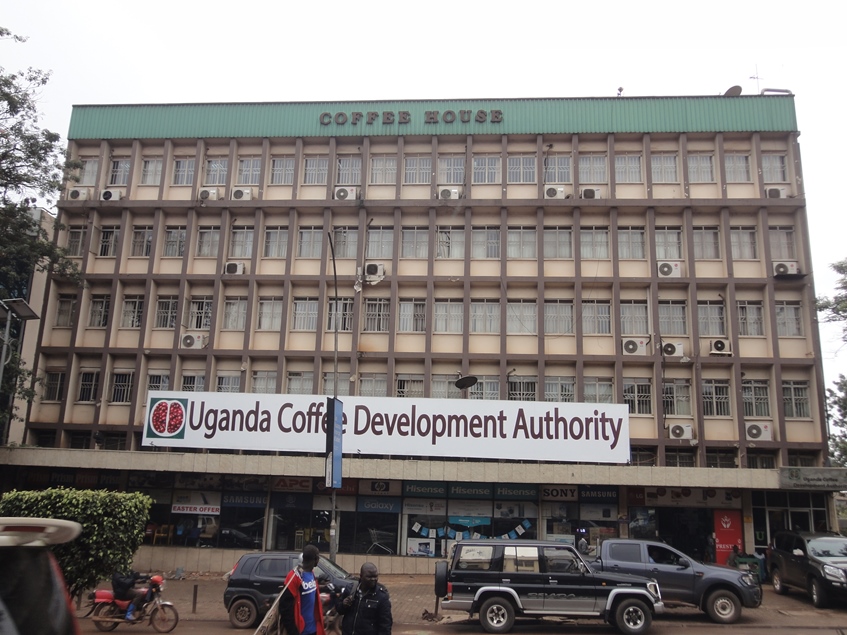

By: Amiri Wabusimba. As an informed Muzukulu, I attentively followed Jajja’s State of the Nation Address regarding the Uganda Coffee Development Authority (UCDA) merger with the Ministry of Agriculture, Animal Industry, and Fisheries (MAAIF). Despite reviewing it thoroughly, I still grapple with lingering questions about the UCDA’s current trajectory. The merger, intended to align UCDA’s operations with broader agricultural strategies, has sparked allegations questioning its timing, credibility, and motives. Accusations about selective seedling distribution and unexplained deductions from farmers’ earnings highlight governance issues. Were these longstanding problems overlooked, or do they signify resistance from entrenched interests?
Having operated autonomously for over three decades, UCDA elevated Uganda’s coffee industry to international prominence. Its integration into MAAIF marks a major policy shift aimed at reducing redundancies and improving service delivery. Yet, the allegations threaten to undermine its progress.
During the address, Mityana North MP Hon. Nsegumire Muhamad Kibedi accused UCDA of distributing coffee seedlings selectively, favoring opposition MPs. If true, such practices would undermine equitable access to government programs. On the other hand, if politically motivated, these allegations still cast doubt on UCDA’s fairness in resource allocation. Businessman and NRM supporter Hajj Kasujja further alleged that the UCDA Executive Director (ED) enjoys an unusually high level of security, even exceeding that of the President. Kasujja also claimed that accessing the ED is more difficult than meeting the President, creating a perception of untouchability. Additionally, he alleged unexplained deductions of UGX 60,000 from every UGX 100,000 paid to farmers. Such claims, if substantiated, would reveal serious ethical violations, eroding trust and farmer livelihoods. To address these issues, a forensic audit and thorough investigation are essential. The Police Criminal Investigations Directorate (CID) needs to engage with Kasujja to verify the claims, particularly the deductions and their intended purpose. Transparency in these matters is vital for restoring public trust.
President Museveni reaffirmed his commitment to transforming Uganda’s coffee sector through value addition. Emphasizing the country’s position as Africa’s second-largest coffee producer, he called for an end to raw coffee exports, urging a focus on industrialization to maximize economic returns. He also reiterated a zero-tolerance stance on corruption and inefficiency, stressing that public programs must benefit all citizens equitably. The merger with MAAIF presents an opportunity to rebuild trust, streamline governance, and transform the coffee sector into a driver of economic growth. However, unresolved allegations of misconduct, including unjustified deductions and selective distribution, threaten its success.
Key questions remain:
- Were deductions from farmers’ earnings documented and justified?
- Are the ED’s security arrangements excessive or aligned with national policy?
- Was seedling distribution politically motivated?
To realize the merger’s potential, systemic reforms are needed to ensure transparency, equity, and accountability. The Auditor General, Inspector General of Government (IGG), and Parliament must investigate these concerns and take corrective action. Uganda’s coffee industry holds immense promise, but its future depends on governance that prioritizes all stakeholders. Transparency, inclusivity, and accountability are essential to positioning Uganda as a global leader in coffee production, ensuring shared prosperity for all.
Author is a diplomatic Student, Journalist, political analyst and Human Right activist.
Tel: +56775103895 email: Wabsuimbaa@gmail.comTop of Form