
Uganda’s political landscape has undergone a significant shift in recent years, with the once-mighty politics of defiance experiencing a marked decline. This movement, which emerged in the 1990s as a response to the country’s authoritarian rule, has been characterized by its defiance of the ruling National Resistance Movement (NRM) and its demand for democratic reforms. However, several factors have contributed to its waning influence.
Decline of Opposition
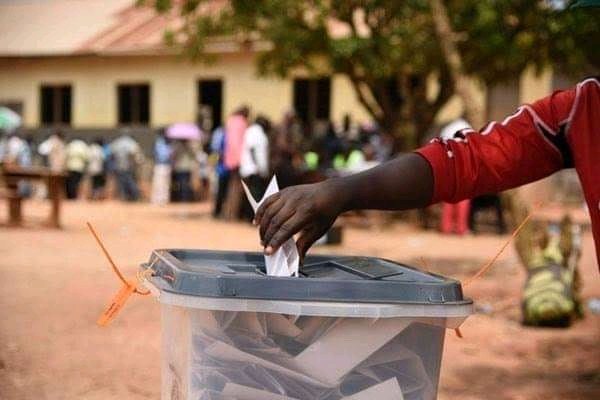
The opposition, once a formidable force, has been plagued by infighting, fragmentation, and a lack of clear leadership. The 2021 general elections exemplified this decline, with voter turnout dropping to 57.22%, a significant decrease from previous elections . Many opposition supporters chose to boycott the polls, disillusioned by the perceived futility of their votes. This boycott significantly impacted the opposition’s ability to challenge the NRM’s dominance.
President Yoweri Museveni, who has been in power since 1986, has skillfully consolidated his power. The NRM’s control over state institutions, coupled with an effective patronage system, has made it increasingly difficult for the opposition to gain traction. The party’s ability to leverage state resources for campaigning has created an uneven playing field that further marginalizes opposition efforts.
Fading Public Support
Public support for the politics of defiance has also waned. Many Ugandans, weary of the constant political tensions and violence, have become disillusioned with the opposition and its tactics. According to a survey conducted by Afrobarometer in 2022, 68% of Ugandans expressed dissatisfaction with the opposition’s performance, citing internal conflicts and lack of clear vision as primary concerns .
The NRM has skillfully exploited this discontent, portraying itself as the only party capable of maintaining stability and security. Museveni’s narrative of peace and development resonates with many Ugandans, particularly those who remember the turmoil of past regimes. This has led to a growing acceptance of the status quo, with fewer citizens willing to risk the uncertainties associated with political change.
International Disengagement
International partners, once vocal supporters of the politics of defiance, have also disengaged. The European Union and the United States, which were key funders of civil society organizations advocating for democratic reforms, have scaled back their support. This reduction in funding is partly due to concerns about corruption and governance within these organizations. Reports indicate that funding from international donors for Ugandan civil society groups decreased by 40% between 2018 and 2022 .
This disengagement has weakened the opposition’s ability to mobilize and advocate for change. Without substantial international backing, many civil society organizations struggle to sustain their operations and influence. This has further contributed to the decline of the politics of defiance.
The fading fortunes of political defiance in Uganda are a cause for concern. The decline of the opposition, weakening of civil society, and waning public support have all contributed to a political landscape dominated by the NRM. As Uganda heads into the future, it remains to be seen whether the politics of defiance can regain its momentum and challenge the ruling party’s grip on power.
The opposition must address its internal divisions and present a united front with a clear and compelling vision for the future. Additionally, re-engaging with international partners and rebuilding public trust are crucial steps for revitalizing the movement. Only through these efforts can the politics of defiance hope to reclaim its role as a catalyst for democratic reform in Uganda.
Sources:
- Uganda Electoral Commission Report, 2021.
- Afrobarometer Survey, 2022.
- International Aid Transparency Initiative, Funding Reports, 2018-2022.