
By Mukiibi Moses
More than three years after Uganda’s Anti-Homosexuality Act (AHA) became law, many members of the country’s LGBTQI+ community say daily life has become increasingly defined by fear, secrecy, and uncertainty.
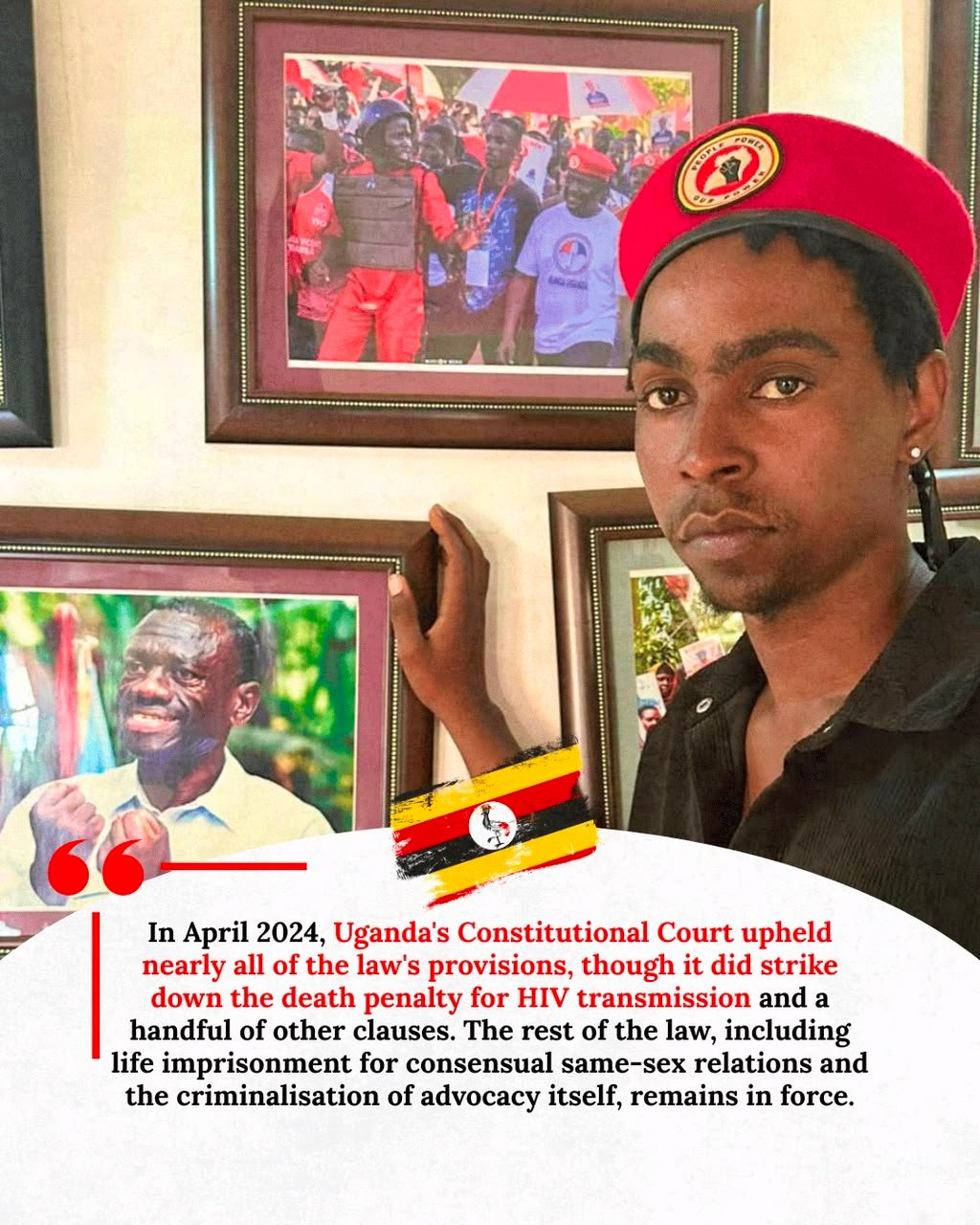
Signed into law by President Yoweri Museveni on May 26, 2023, the legislation introduced some of the world’s toughest penalties for same-sex relations. It provides life imprisonment for consensual same-sex relations and the death penalty for what the law defines as “aggravated homosexuality,” while also criminalising what it terms the “promotion” of homosexuality.
Although Uganda’s Constitutional Court in April 2024 struck down several provisions—including clauses related to mandatory reporting and restrictions on healthcare access—it upheld the majority of the law, leaving its core criminal provisions in place.
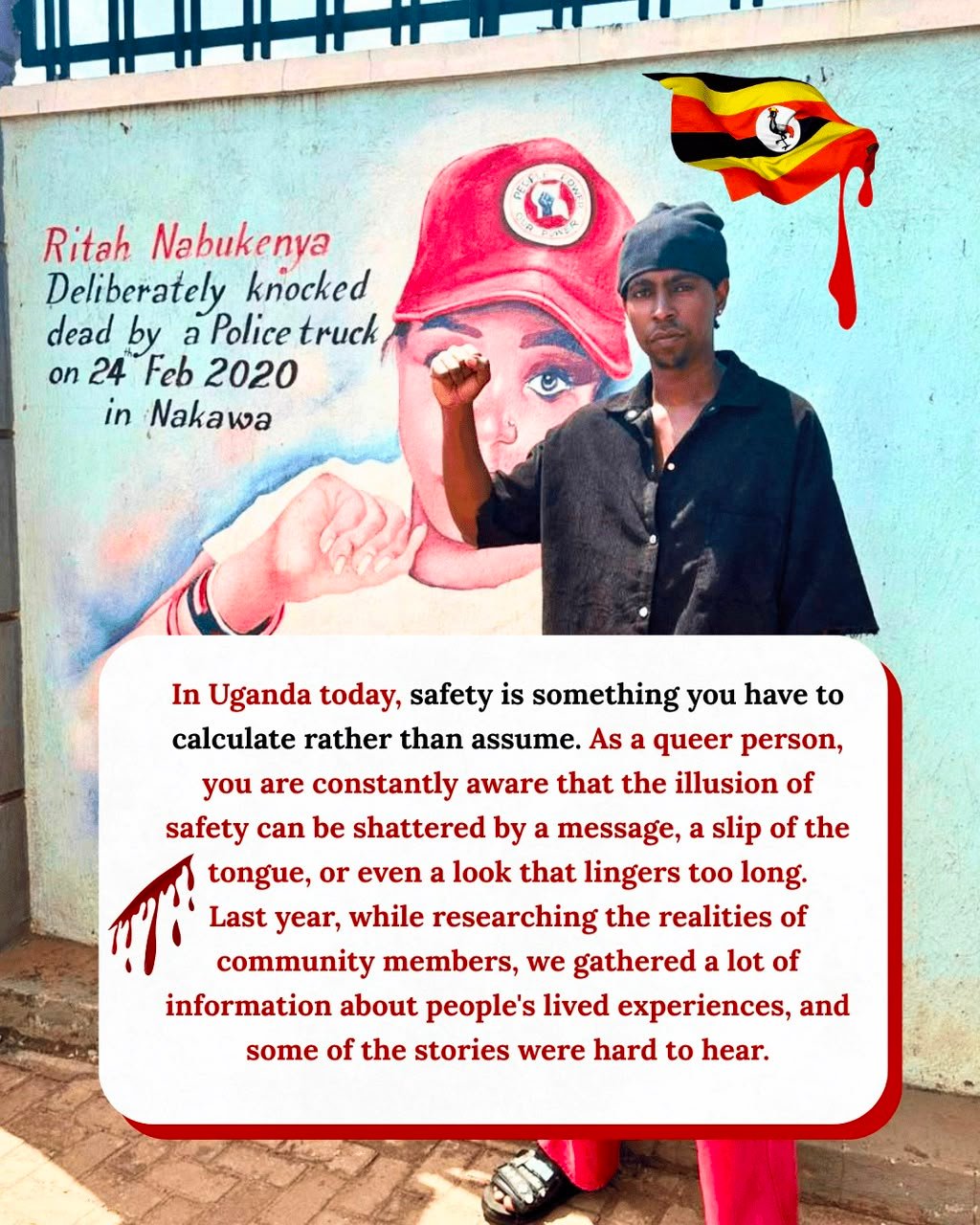
For many LGBTQI+ Ugandans, legal developments have done little to change daily realities.
One anonymous community member described living in constant fear.
“I was always outspoken about my sexuality. I still had to be careful, but it wasn’t as bad as it is now. These days, you have to sleep with one eye open because someone you confide in today might not hesitate to hand you over to the authorities tomorrow.”
The individual said they now hide their identity even from close family members to avoid rejection or possible consequences.
Housing insecurity
Housing has emerged as one of the most pressing challenges facing LGBTQI+ Ugandans.
Despite the Constitutional Court removing provisions that would have criminalised renting property to LGBTQI+ people, many community members report continued discrimination from landlords.
According to testimonies gathered from affected individuals, tenants are sometimes evicted shortly after their sexual orientation or gender identity becomes known. Personal belongings are reportedly removed from homes without notice, leaving many with few options for alternative accommodation.
The situation is particularly difficult in rural Uganda, where support networks and emergency shelters are limited or non-existent. Many transgender women who lose housing are forced to migrate to urban centres, where existing shelters often operate beyond capacity and face significant funding shortages.
Community advocates say this displacement frequently results in the loss of employment opportunities, family support, and access to local savings groups that many rural residents rely on during emergencies.
Healthcare barriers
Access to healthcare remains another major concern.
Although the Constitutional Court ruled against provisions limiting healthcare access, some LGBTQI+ individuals report experiencing discrimination when seeking medical treatment.
Interviewees described instances of being turned away, receiving hostile treatment, or avoiding healthcare altogether due to fear of exposure.
For people living with HIV or those requiring gender-affirming healthcare, interruptions in treatment can have serious health consequences.
Health advocates argue that while legal protections may exist on paper, implementation remains inconsistent in many communities.
Violence and uncertainty
Members of the LGBTQI+ community also continue to report concerns about violence and harassment.
One transgender woman recalled repeated verbal abuse from motorcycle taxi operators before a local community leader intervened and persuaded them to stop.
Another described surviving a violent attack while visiting a friend, crediting a security guard with preventing a fatal outcome.
These experiences, community members say, demonstrate how difficult it has become to predict where support—or danger—may come from.
Human rights advocacy under pressure
Human rights defenders working with LGBTQI+ communities have also faced legal challenges and arrests while carrying out advocacy activities.
Rights organisations argue that pressure on activists has reduced the availability of legal assistance, documentation, and emergency support for individuals experiencing discrimination or violence.
Rural transgender women face heightened risks
Advocates say transgender women living in rural districts face particularly severe challenges.
Without nearby shelters or specialised services, eviction often leaves individuals with nowhere to seek immediate assistance.
Limited healthcare services, social isolation, and exclusion from family land inheritance further compound their vulnerability.
Support organisations note that relocation to Kampala or other urban centres frequently becomes the only available option, despite already overstretched resources.
A continuing debate
Supporters of the Anti-Homosexuality Act have argued that the legislation reflects Uganda’s cultural and religious values and is intended to protect children and preserve traditional family structures.
Human rights organisations, however, continue to argue that the law has contributed to increased stigma, discrimination, and fear among LGBTQI+ Ugandans while limiting access to housing, healthcare, and other essential services.
As legal and political debates continue, many members of Uganda’s LGBTQI+ community say their focus remains on finding safe places to live, maintaining access to healthcare, and relying on trusted networks for protection in an increasingly uncertain environment.