































THE EXTRADITION TRAP: Is Europe Sending Vulnerable Migrants Into a Web of Regional Security Deals?

By Alexander Luyima | The Hoima Post
VIENNA / KIGALI — November 16, 2026
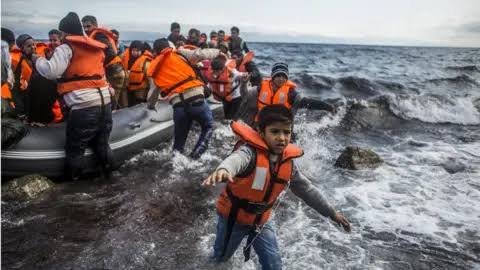
When five European governments announced plans to establish an offshore migrant return hub in Rwanda, they presented the initiative as a solution to Europe’s growing deportation challenges. But beneath the political language of migration management lies a more difficult question: what happens when vulnerable people are transferred into a country with extensive security and extradition relationships across a politically volatile region?
Germany, Denmark, Austria, Greece and the Netherlands announced on November 16 that they would begin negotiations with Rwanda to establish a facility for people who have exhausted their legal avenues to remain in Europe.
The proposed pilot is expected to accommodate approximately 100 people, with the first transfers targeted for 2027. The Netherlands has indicated that it intends to prioritise adult men from countries in Rwanda’s region.
European officials describe the initiative as a way of dealing with people whose return to their countries of origin cannot be achieved. Rwanda has presented the proposed centre as an opportunity for transferred individuals to rebuild their lives.
But the arrangement raises serious questions about legal protection, regional security cooperation and the possibility of vulnerable people becoming stranded far from the countries where they originally sought protection.
Europe’s deportation problem and the political calculation
The European Union has been struggling to enforce removal decisions against people who no longer have a legal right to remain within its borders.
According to the European Council, approximately two-thirds of people ordered to leave the EU do not actually depart.
On October 1, 2026, the Council adopted new return rules allowing member states to establish return hubs in non-EU countries through agreements with those countries.
The rules require compliance with international human rights standards and the principle of non-refoulement.
The political motivation is also difficult to ignore. Immigration has become a major electoral issue across Europe, with mainstream governments facing growing pressure from nationalist and anti-immigration movements.
The Rwanda initiative reflects an increasingly popular European approach: moving migration enforcement beyond the continent rather than managing every aspect of it within European territory.
Rwanda’s record under international scrutiny
The proposed partnership is particularly controversial because Rwanda has previously participated in third-country migration arrangements.
Between 2013 and 2018, Israel pursued a policy under which thousands of Eritrean and Sudanese asylum seekers left the country through so-called voluntary departure arrangements. Approximately 4,000 people were relocated under the wider programme, although the precise number transferred specifically to Rwanda remains disputed.
Human rights investigations documented allegations that some people arriving in Rwanda were deprived of meaningful legal status and subsequently forced to continue their journeys through neighbouring countries.
The British experience is equally significant.
In November 2023, the UK Supreme Court unanimously ruled that the British government’s Rwanda removal policy was unlawful.
The judges considered UNHCR evidence showing that Rwanda had rejected 100 percent of asylum applications from nationals of Afghanistan, Syria and Yemen at its relevant first-instance decision-making level during 2020–2022.
The Court concluded that deficiencies in Rwanda’s asylum procedures created a real risk that people transferred there could eventually be returned to countries where they faced persecution.
The British government subsequently abandoned the scheme in 2024.
More recently, the United States established its own arrangement with Rwanda, involving approximately US$7.5 million in financial support and provision for up to 250 third-country nationals.
Human Rights Watch documented transfers involving 22 individuals through August 2026 and raised concerns about the limited publicly available information concerning their circumstances and legal protection.
These precedents make the European initiative deserving of serious independent scrutiny.
The regional extradition question
Perhaps the most important dimension for African countries is Rwanda’s network of extradition and judicial cooperation arrangements.
Rwanda has established extradition relationships with several African countries, including Uganda, Tanzania and Kenya. It also has agreements or regional legal arrangements involving countries such as Malawi, Zambia, the Democratic Republic of Congo and Burundi.
The relationship between Rwanda and Uganda provides a particularly relevant example.
Following years of diplomatic tensions, the two countries signed an extradition treaty at the February 2020 quadripartite summit in Gatuna/Katuna.
The agreement provided a legal framework for dealing with criminal fugitives and cases involving alleged subversive activities.
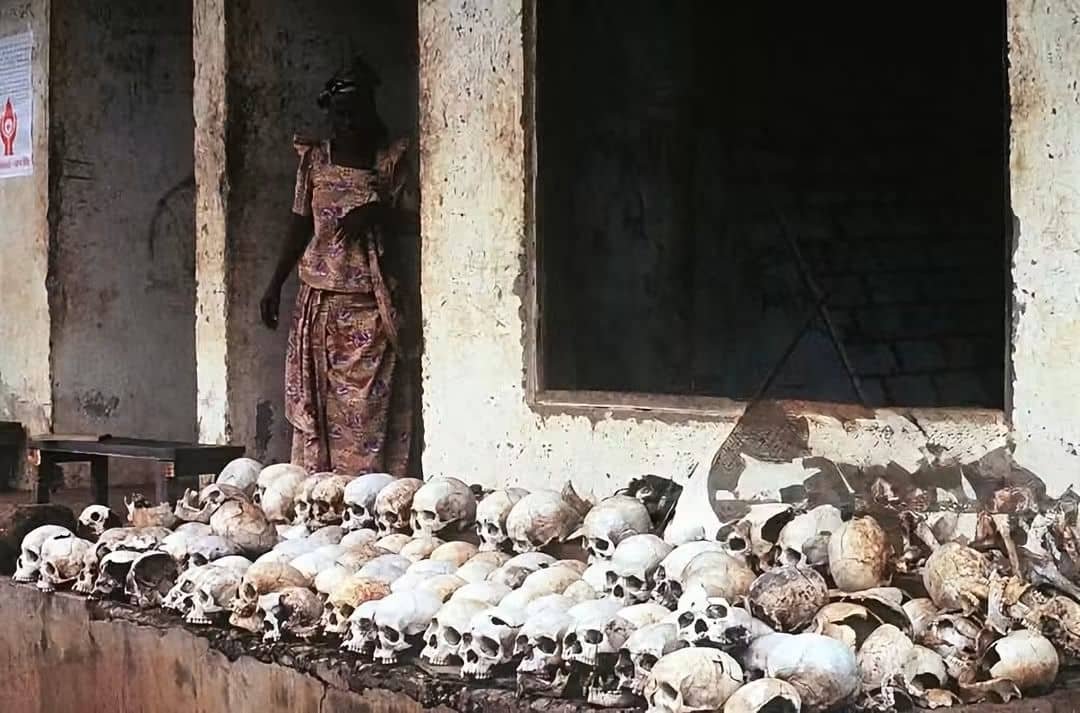
Human Rights Watch has also documented previous extraditions and transfers involving individuals accused of genocide-related offences.
These arrangements are not inherently unlawful. Extradition treaties generally establish judicial procedures and conditions for surrendering individuals accused or convicted of offences. They do not automatically authorise governments to hand over refugees or political opponents.
Nevertheless, they raise a legitimate question about how people transferred from Europe will be protected if their countries of origin subsequently seek their extradition.
A person who has fled political persecution may find themselves in a country that maintains formal judicial cooperation with the very government they fear.
That possibility demands clear safeguards, independent legal representation and transparent procedures before any European transfers begin.
The Great Lakes security dimension
Rwanda’s regional security relationships cannot be examined without considering the continuing conflict in eastern Democratic Republic of Congo.
In 2025, the United Nations Security Council condemned the M23 offensive and called on Rwanda to cease supporting the armed group and withdraw its forces from Congolese territory.
UN expert investigations also documented the involvement of Rwandan forces alongside M23 in the conflict.
These developments have intensified tensions across the Great Lakes region, creating an environment in which political identity, nationality and perceived security affiliations can carry serious consequences.
For Congolese nationals and people fleeing political or security-related persecution in the region, the prospect of being transferred to Rwanda raises additional questions about their protection and freedom of movement.
This does not establish that Rwanda would automatically persecute people transferred there. It does mean that individual risk assessments cannot be replaced by general diplomatic assurances.
Who will guarantee their safety?
The proposed return hub also raises questions about independent monitoring.
Human Rights Watch reported that one of its senior researchers, Clémentine de Montjoye, was denied entry into Rwanda at Kigali International Airport in May 2024.
The incident illustrates the difficulties independent organisations can encounter when attempting to monitor human rights conditions in the country.
The UN High Commissioner for Refugees participated in the Vienna discussions on November 16 and emphasised the importance of fair asylum procedures, compliance with international law and continued international responsibility-sharing.
UNHCR has offered its good offices to advise on safeguards.
However, advice and diplomatic assurances are not substitutes for enforceable protections.
Transferred individuals must have access to independent lawyers, effective complaints mechanisms, protection against arbitrary detention and guarantees that they will not be forcibly returned to countries where they face serious harm.
Africa must ask harder questions
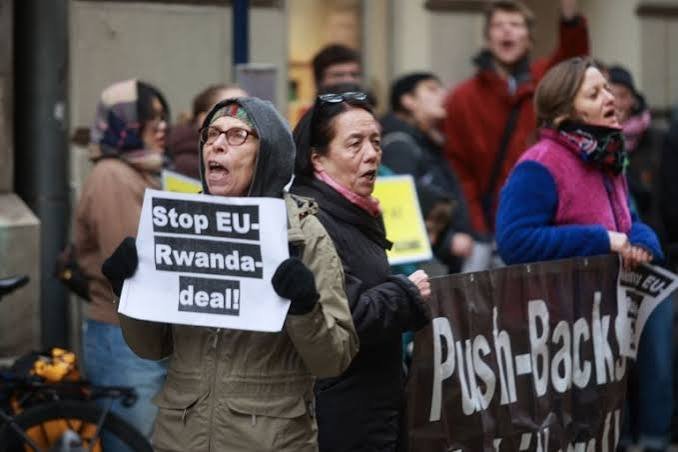
On November 16, a coalition of 47 humanitarian, human rights, civil society and trade union organisations from 15 countries called on the five European governments to abandon the proposed Rwanda arrangement.
Their concern is that wealthy governments are increasingly attempting to move migration responsibilities beyond their borders, potentially placing vulnerable people in countries with which they have no meaningful connection.
Rwanda has every sovereign right to enter into international partnerships. African countries also have legitimate interests in migration cooperation, extradition and regional security.
But sovereignty must not become an excuse for weakening individual human rights protections.
The fundamental question is not whether Europe has the right to enforce immigration decisions. Governments do have that responsibility.
The question is whether they can transfer people thousands of kilometres away without ensuring that their fundamental rights remain protected.
For African governments, the responsibility is equally serious. Any agreement accepting vulnerable migrants must include transparent legal guarantees, independent monitoring and safeguards against onward refoulement.
A rejected asylum claim does not erase a person’s human rights. And transferring someone beyond Europe’s borders does not transfer away Europe’s responsibility for the consequences of its decisions.
Alexander Luyima | The Hoima Post