






















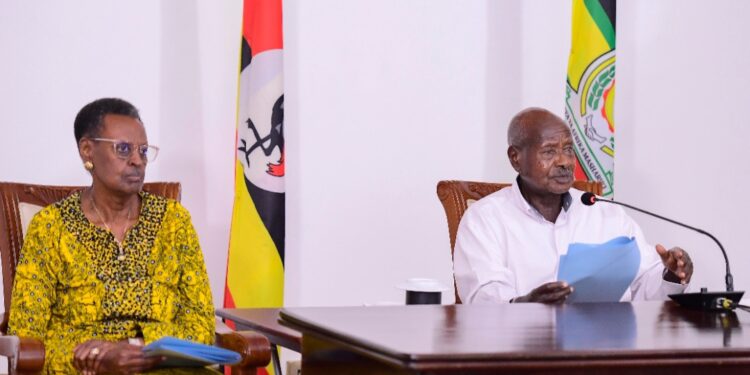
Male Deogratius : Museveni’s Police Bond Ban Fuels Human Rights Concerns Amidst Political Posturing

President Yoweri Kaguta Museveni’s recent directive banning police bonds for “village thieves” marks yet another troubling escalation in Uganda’s approach to law enforcement. While framed as a measure to curb rampant crime and inefficiency, this move risks exacerbating human rights violations and perpetuating the culture of impunity within state security forces.
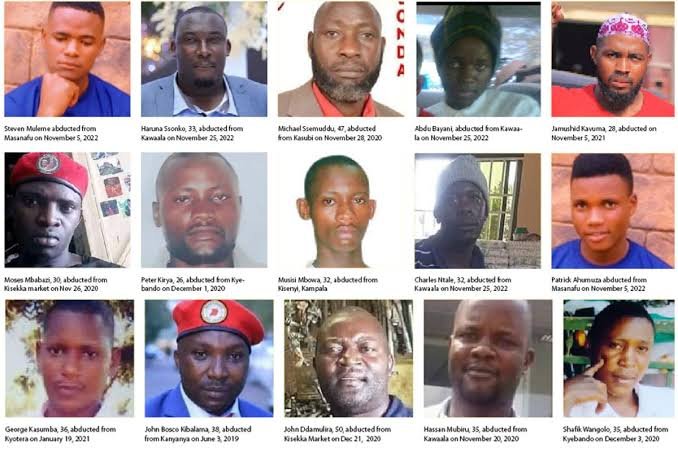
Museveni’s insistence on “firm legal handling of criminals” and his praise for military court interventions in Karamoja highlight a broader trend: the militarization of Uganda’s justice system. The President’s own words—citing the detention of over 3,000 individuals in military jails as a symbol of success—raise red flags about the erosion of due process. His remarks do not account for whether these individuals received fair trials or if the conditions of their detention align with international human rights standards.
By banning police bonds, Museveni is essentially preempting the judiciary’s role in determining bail, a fundamental right guaranteed under Uganda’s Constitution and international law. This directive not only undermines the independence of law enforcement and judicial institutions but also sets a dangerous precedent for arbitrary detention. Police officers, fearful of reprisals, may now opt to detain suspects indefinitely, bypassing proper investigations and the court system altogether.
Moreover, this decision disproportionately affects rural and impoverished Ugandans, who are often unable to navigate or afford the complexities of the legal system. Branding such suspects as “village thieves” dehumanizes them and oversimplifies the socio-economic factors driving petty crimes. Instead of addressing the root causes of these offenses—poverty, unemployment, and systemic inequality—Museveni’s directive leans heavily on punitive measures that criminalize survival.
While Museveni acknowledges the need to rehabilitate offenders through skilling programs, this rhetoric rings hollow when juxtaposed with the broader context of Uganda’s governance. Corruption scandals, unchecked state violence, and a lack of investment in education and employment opportunities suggest that the regime is more interested in consolidating control than in fostering genuine social reform.
The President’s celebratory tone regarding military interventions further underscores the administration’s preference for coercion over dialogue. Deploying Local Defense Units (LDUs) to tackle issues like theft or premature coffee harvesting reflects an alarming trend of normalizing militarized responses to civilian challenges. This approach not only heightens tensions but also risks escalating violence, as seen in past incidents where LDUs have been implicated in extrajudicial killings and abuses.
While Museveni’s end-of-year address touched on achievements such as hosting CHAN and AFCON, these successes cannot overshadow the growing authoritarian tilt of his governance. The ban on police bonds, combined with his justification of state crackdowns, paints a grim picture for Uganda’s democratic trajectory.
If Museveni is serious about addressing crime and uplifting rural communities, his administration must prioritize systemic reforms over reactionary measures. Strengthening judicial independence, investing in poverty alleviation programs, and addressing governance deficits are far more effective—and ethical—than perpetuating a cycle of repression and marginalization.
As Uganda enters 2025, the challenge for its citizens and civil society lies in holding the government accountable to these principles. Without collective action, Museveni’s policies risk further entrenching inequality and eroding the very foundations of justice and democracy.